Power Crisis, High Interest Rates Undermine Nigeria’s Industrial Growth – Sobowale
Economic commentator Dele Sobowale has questioned Nigeria’s ambition of becoming a one-trillion-dollar economy by 2030, arguing that the target may remain out of reach without significant investment in the manufacturing sector. Sobowale said the country’s dependence on imported goods, declining industrial capacity and inadequate infrastructure continue to weaken its economic prospects. Drawing comparisons with Japan’s industrial history, he argued that countries that fail to maintain strong manufacturing industries risk losing their competitive positions in the global economy. He recalled that Nigeria experienced a period of industrial expansion between 1974 and 1990, when factories operated across industrial centres in Lagos, Kano, Kaduna, Port Harcourt, Aba and other cities. However, he said many of those industrial establishments have since shut down or fallen into disrepair, reflecting the sector’s gradual decline. He also expressed concern that the country’s current economic policies could further increase the difficulties facing local manufacturers, particularly businesses already struggling with rising operating expenses and limited access to affordable financing.
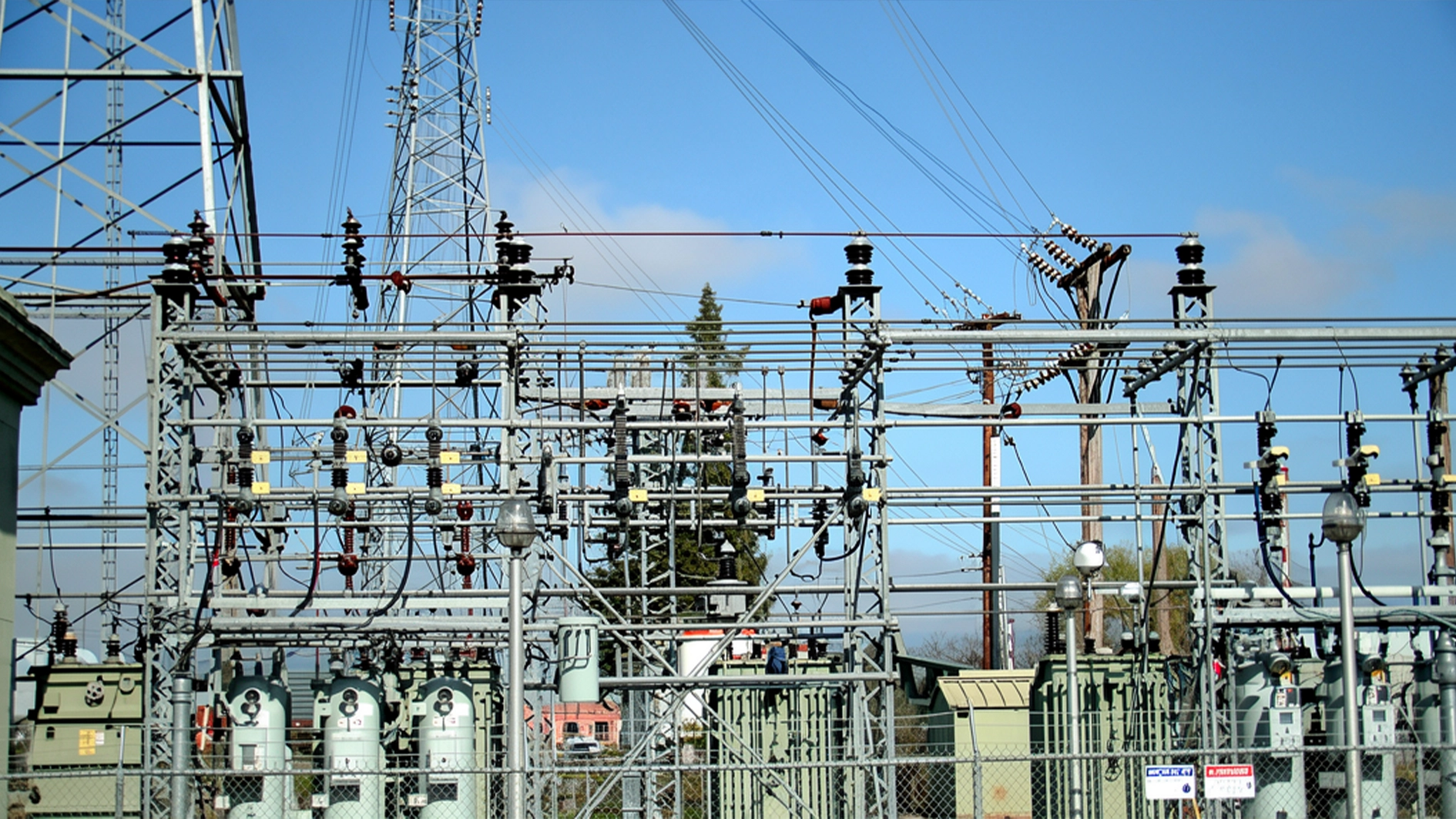
The commentator identified unreliable electricity supply and high borrowing costs as major obstacles to industrial development, warning that manufacturers cannot compete effectively with foreign producers operating in more supportive business environments. Citing electricity supply figures, he noted that Nigeria generated only 2,926 megawatts on November 5, 2026, despite having achieved a generation level of about 4,000 megawatts in 2012. He argued that inadequate power forces businesses to depend on generators, increasing production costs and reducing their competitiveness. Sobowale also criticised the growing dependence of government on domestic borrowing, saying it limits the availability of credit to private businesses, particularly manufacturers. He maintained that Nigerian producers face the combined challenges of insufficient loans, high interest rates and competition from foreign companies whose governments provide stronger financial support. He therefore called for improved electricity supply, accessible financing and policies that encourage local production, stressing that Nigeria’s economic ambitions would require a stronger industrial foundation.
#UTVAfrica#