Nigeria’s Cassava Industry in Crisis as Starch Imports Surge 13,293% in Five Years
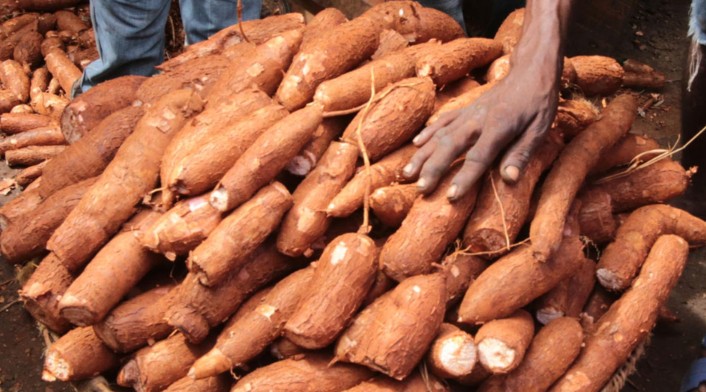
Nigeria’s cassava processing industry is facing a deepening crisis as imports of cassava starch surged by 13,293 per cent between 2020 and 2025, leaving local factories operating at low capacity and farmers struggling to sell their produce. Data from the World Bank’s World Integrated Trade Solution showed that imports rose from 24.1 tonnes in 2020 to 3,227.7 tonnes in 2025, despite Nigeria’s position as the world’s largest cassava producer, with more than 63 million tonnes recorded in 2024. Industry stakeholders attributed the trend to high production costs, inadequate financing, declining farm acreage and tariff arrangements that make imported starch cheaper than locally produced alternatives. President of the Large-Scale Starch and Derivatives Producers Association of Nigeria, Oluyemisi Iranloye, said farmers spend about N800,000 cultivating a hectare of cassava but earn only about N300,000 from selling their harvest. She added that some processing factories were operating at just 15 per cent of their installed capacity because of weak demand, leaving businesses unable to meet financial obligations. Iranloye also warned that reduced tariffs on imported corn starch and pharmaceutical-grade starch had made it increasingly difficult for Nigerian processors to compete, while farmers were left with unsold produce and falling prices.
Food security expert and farmer, Africanfarmer Mogaji, said processors and farmers who borrowed heavily to expand their operations were now facing mounting debts as manufacturers increasingly relied on imported starch. He warned that some multinational companies had secured imported supplies extending into 2027 and early 2028, potentially prolonging the challenges facing local producers. Managing Director of Niji Group, Kolawole Adeniji, also blamed high machinery, diesel and transportation costs, insecurity and poor returns for the decline in cassava farming, saying many farmers had reduced their farm sizes or abandoned cultivation. Industry records listed 62 cassava processor entries, including 55 involved in starch and high-quality cassava flour production, with a combined stated daily capacity of 1,662.5 tonnes, although much of the capacity remains underutilised. President of the Industrial Cassava Stakeholders Association of Nigeria, Segun Ladele, said only about five per cent of Nigeria’s cassava output goes into industrial use, while 80 per cent is consumed locally as food and 15 per cent exported. Stakeholders are calling for consistent agricultural policies, affordable long-term financing, improved infrastructure and greater investment in mechanisation to revive local processing, protect farmers and reduce the country’s dependence on imported starch.
#UTVAfrica#