WHO raises concern as DR Congo Ebola death toll reaches 600
The death toll from the ongoing Ebola outbreak in the Democratic Republic of Congo (DRC) has risen to 600, according to the latest figures released by the World Health Organization (WHO). The updated data, published on Thursday, comes just days after fatalities surpassed the 500 mark, highlighting the rapid spread of the disease despite ongoing response efforts. According to the WHO, the DRC has recorded 1,759 confirmed Ebola cases since the outbreak was declared in mid-May, with the virus claiming 600 confirmed lives. The outbreak currently has a case fatality rate of about 34 per cent, underscoring the severity of the disease. Health authorities also reported that 285 patients have recovered, while 304 suspected cases remain under investigation as surveillance and laboratory testing continue. The outbreak has spread beyond the DRC's borders, with neighbouring Uganda confirming 20 Ebola cases, including two deaths. Ugandan health officials say 17 infected patients have recovered, while efforts to contain further transmission remain underway. Although infections have been recorded across four provinces in northeastern DRC, Ituri Province remains the epicentre of the outbreak. The region's long-running insecurity and armed conflict have continued to complicate disease surveillance, contact tracing and access to affected communities.
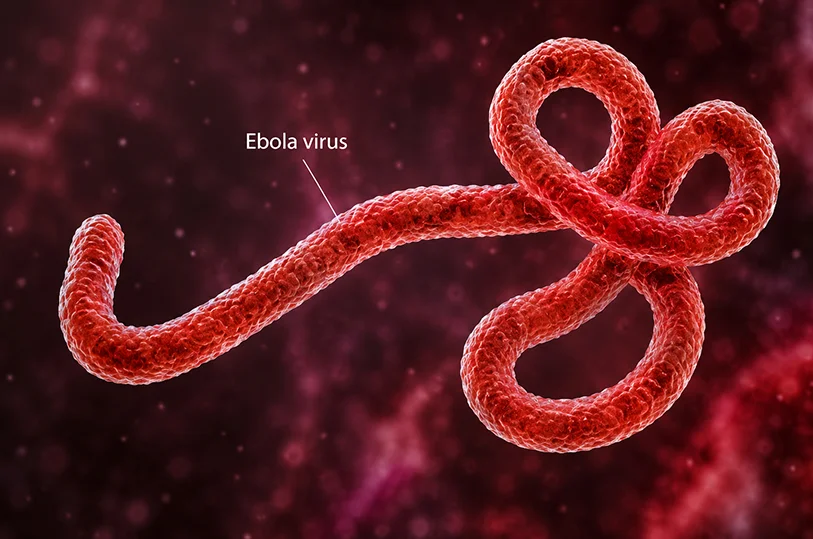
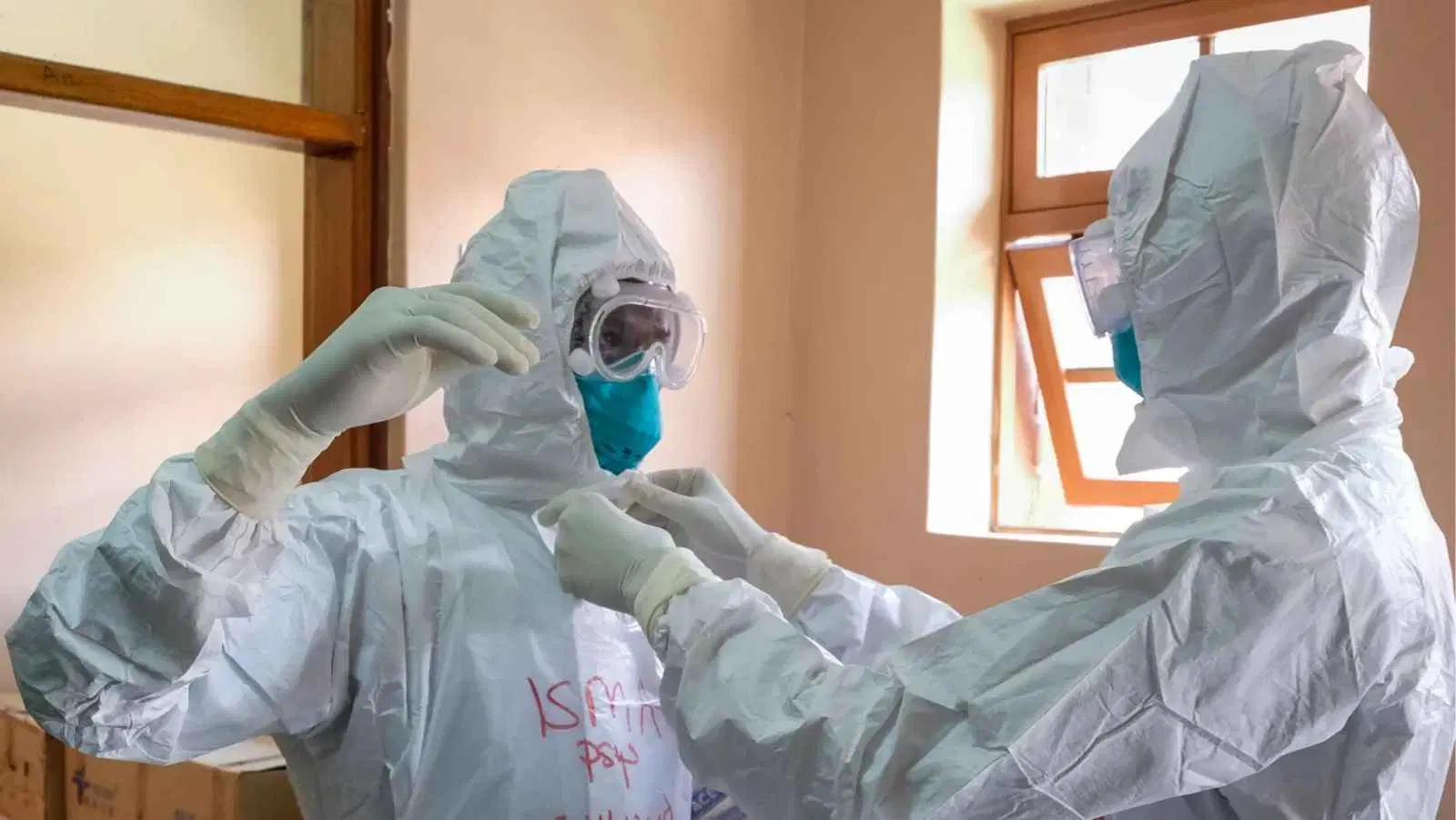
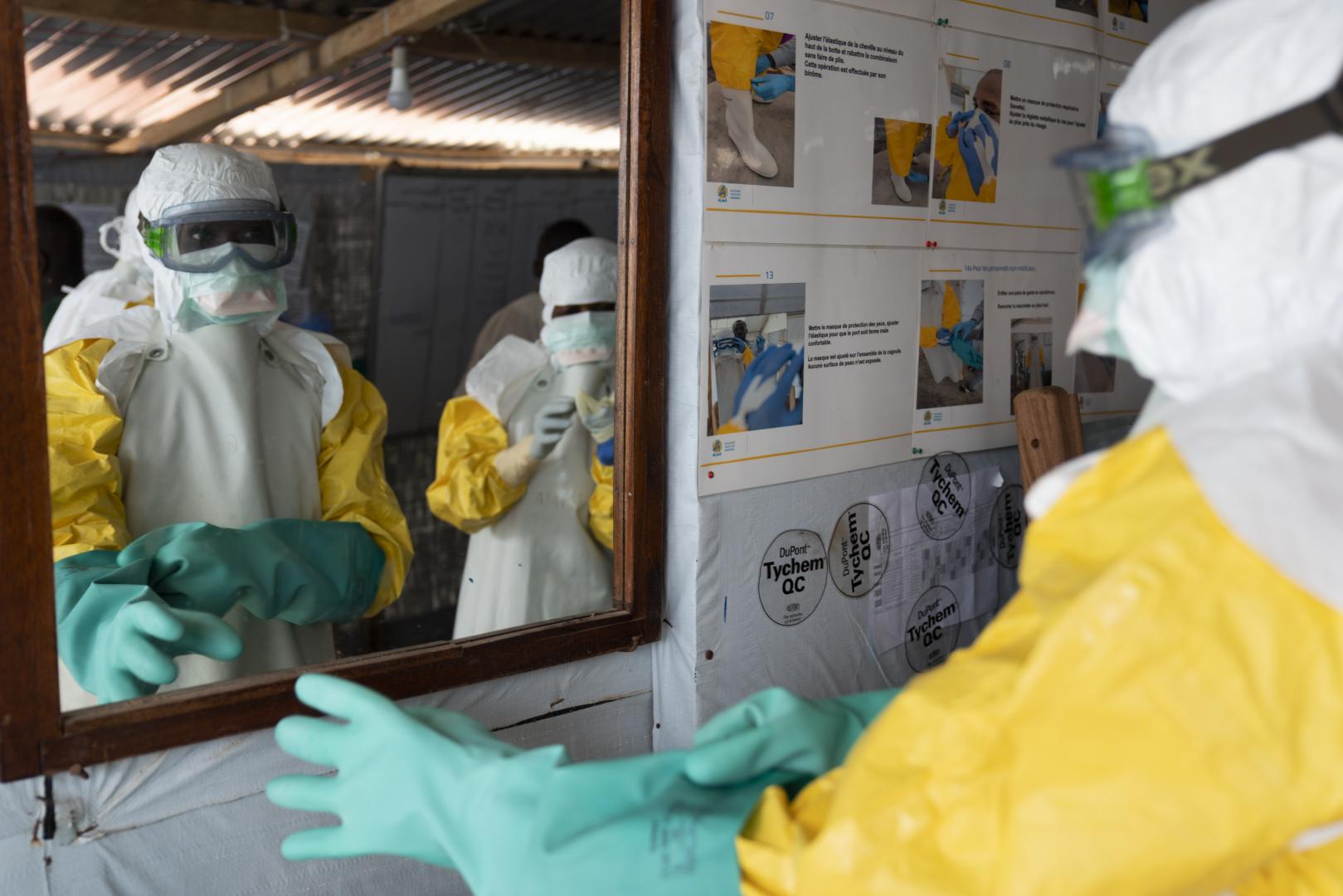
Health experts say the current outbreak is caused by the Bundibugyo strain of the Ebola virus, a relatively rare variant for which there are currently no approved vaccines or licensed treatments. To improve treatment options, Congolese authorities, with support from international health partners, launched a clinical trial on July 2 to evaluate two experimental therapies. The study is assessing the effectiveness of the monoclonal antibody MBP134 and the antiviral drug remdesivir, both separately and in combination. Ebola is a severe viral disease that spreads through direct contact with the bodily fluids of infected individuals or contaminated materials. Early detection, isolation of patients, contact tracing and strict infection prevention measures remain the primary tools for containing outbreaks while researchers continue efforts to develop more effective treatments and vaccines.
#UTVAfrica#