UPDATE:NCDC Reveals Timeline of Nigeria’s First Imported Ebola Case
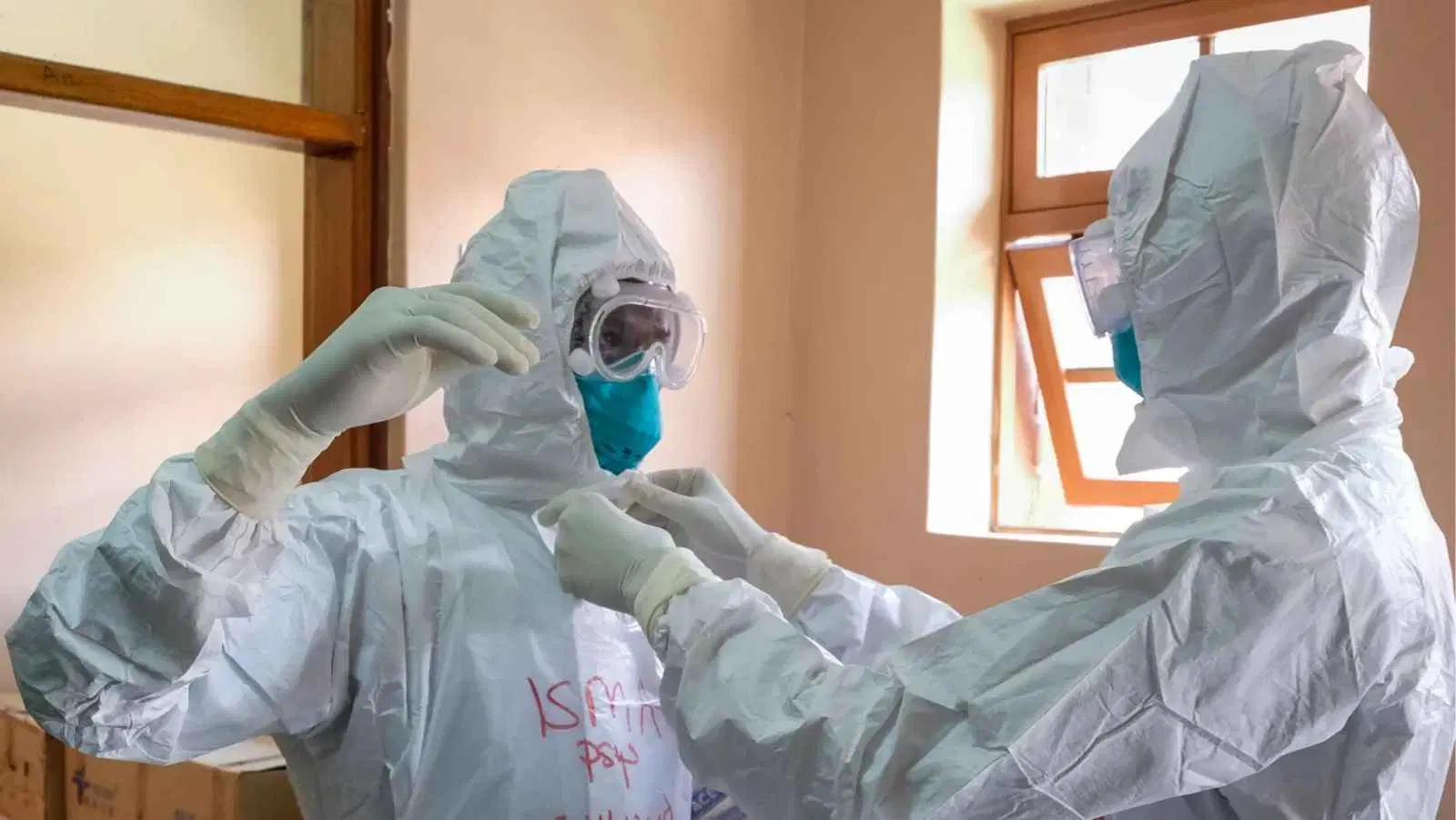
The Nigeria Centre for Disease Control and Prevention has revealed that the woman who tested positive for Ebola arrived in Nigeria on October 5, developed symptoms two days later and presented at a private health facility in the Federal Capital Territory on October 11. The Incident Manager of the National Ebola Disease Response, Dr Odianosen Ehiakhamen, disclosed this during an interview on Tuesday, explaining that the patient was initially treated for malaria-like symptoms before her travel history to Uganda raised suspicion among attending doctors. According to him, the hospital contacted the NCDC on Tuesday after the woman failed to improve, prompting health authorities to collect samples for laboratory testing. The samples were sent to a laboratory by 9pm, with preliminary results available the following morning. However, the response team requested repeat testing before communicating the findings to the NCDC Director-General and the Minister of Health and Social Welfare, Prof Ali Pate. The Federal Government has confirmed the imported Ebola case, while authorities have identified 44 contacts, mainly healthcare workers and support staff at the hospital, for monitoring and follow-up. The patient has been isolated and is receiving medical care as officials intensify efforts to prevent further transmission.
Ehiakhamen commended the FCT health authorities for their prompt response, adding that Nigeria had begun preparing for a possible Ebola outbreak months before the confirmed case. He said the country activated its Incident Management System preparedness structure on May 15 and conducted a risk assessment covering surveillance, response capacity, personnel, infection prevention and control, medical countermeasures and training. About eight key high-risk zones were also assessed, while case definitions were circulated to health facilities to improve the identification and reporting of suspected infections. Ehiakhamen said Nigeria was drawing on the experience of health workers involved in the 2014 Ebola response, alongside personnel trained through the National Field Epidemiology Training Programme and World Health Organisation-supported workshops. He added that the NCDC had investigated previous suspected Ebola cases that later tested negative and was monitoring the time taken to respond to alerts, collect samples and conduct laboratory tests. The agency hopes to improve testing turnaround times across its laboratory network, which also supports responses to diseases including Lassa fever and diphtheria.
#UTVAfrica#