Understanding the Political Significance of the Attacks on Peter Obi and the NDC
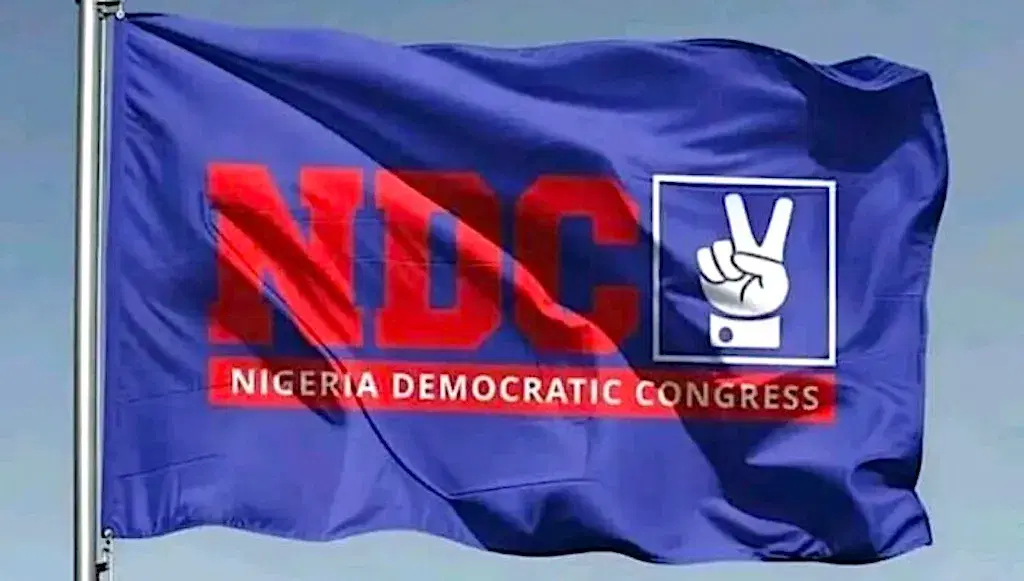
The recent attacks, allegations, and disputes surrounding the Nigerian Democratic Congress (NDC) and its presidential candidate, Peter Obi, reveal one undeniable reality: the party has emerged as a major force in Nigerian politics. The growing interest in NDC tickets by aspirants and the controversies that have followed are not signs of weakness. Rather, they reflect the increasing political relevance of a party that many Nigerians now see as a credible vehicle for change. n less than four months, the NDC has achieved what some political parties have struggled to accomplish over several years. The party has successfully fielded candidates for State Houses of Assembly across the country, all 360 House of Representatives seats, 109 Senatorial seats, and governorship positions where elections will be held. This level of organization and nationwide reach is no small feat for a party that only entered the national political stage in February 2026. While some established parties are still grappling with internal divisions and uncertainty over their presidential tickets, the NDC already has its presidential candidate and running mate in place, awaiting the commencement of formal campaigns. The intense scrutiny directed at Peter Obi and the NDC appears disproportionate to the party's age. In politics, however, such attention is often reserved for movements that pose a genuine challenge to the status quo. Growth inevitably attracts resistance. The speed of the NDC's rise has surprised many observers. Similar doubts were expressed about the Labour Party when Peter Obi joined it ahead of the 2023 general elections. Yet, within a remarkably short period, the party mobilized millions of voters, secured legislative seats, and transformed the presidential contest into a highly competitive three-way race. That experience demonstrated the power of grassroots mobilization and explains why many political actors are paying close attention to the NDC today. Political parties do not expend significant resources attacking opponents they consider irrelevant. Since 2023, Peter Obi has remained one of the most discussed figures in Nigerian politics. Debates surrounding his past records, business interests, policy positions, and political decisions have consistently dominated public discourse. The NDC is now experiencing a similar level of scrutiny, with critics questioning its structure, funding, and internal processes. Supporters of the party view these developments as evidence of growing influence rather than political vulnerability.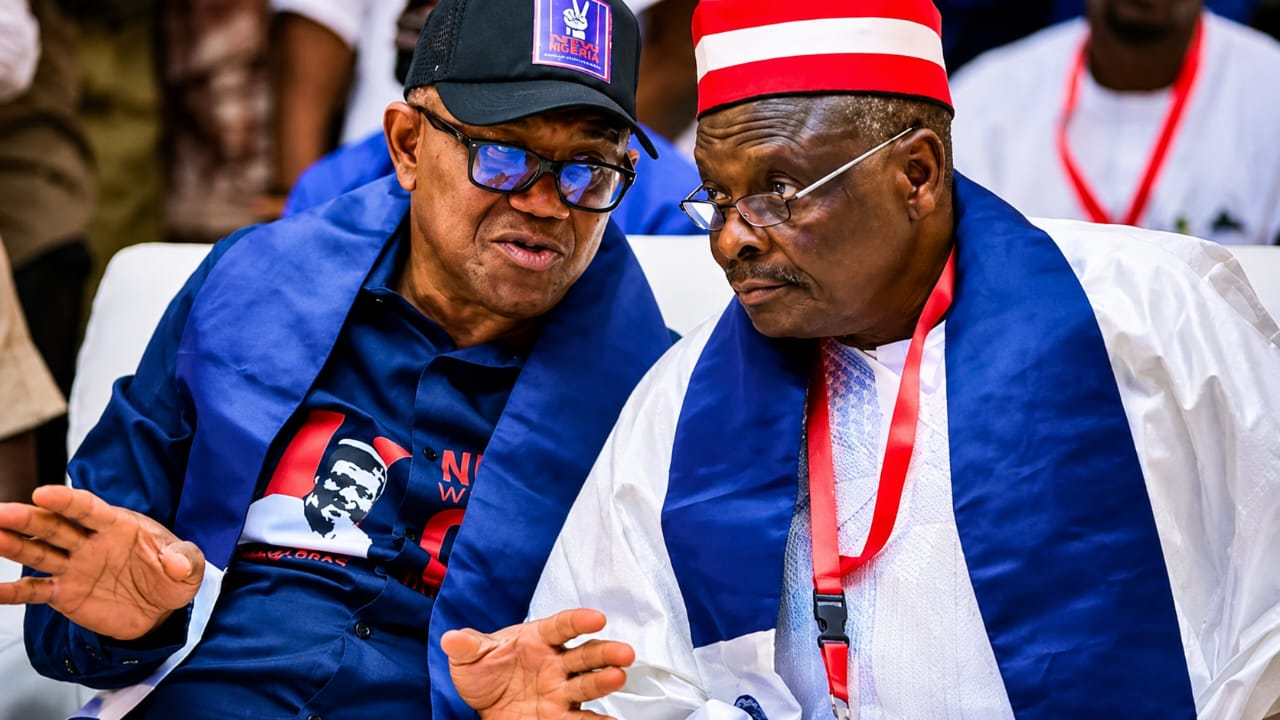
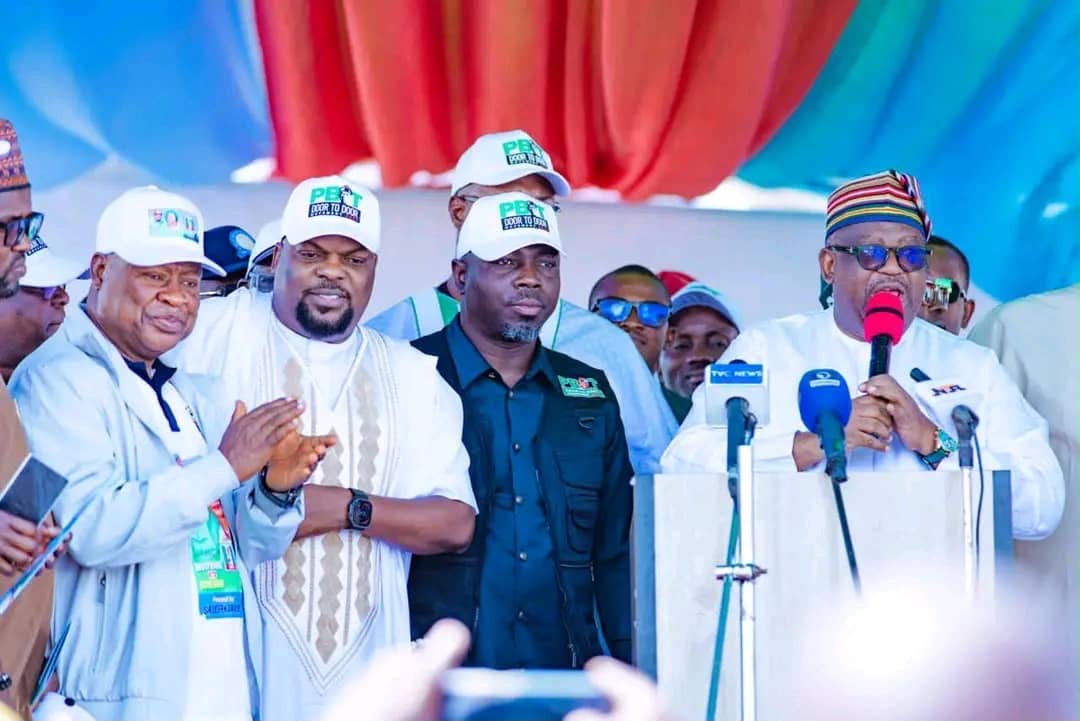
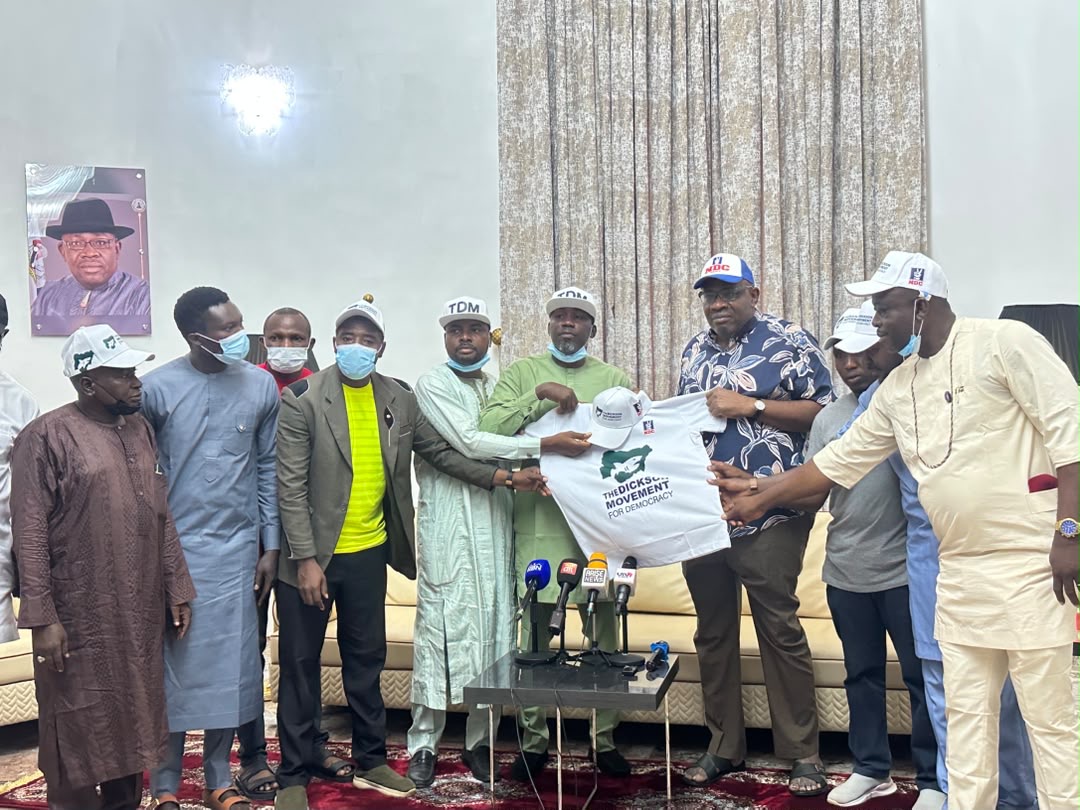
The combination of Peter Obi's political following and the alliance with former presidential candidate Rabiu Musa Kwankwaso has further strengthened perceptions of the NDC as a formidable political platform. The coming together of the Obidient Movement, the Kwankwasiyya Movement, and other political constituencies has created a coalition that seeks to transcend ethnic, religious, and regional divisions. Many supporters believe this broad coalition represents a new national movement focused on governance, accountability, economic growth, and national development. The NDC has also succeeded in shaping public conversations around critical national issues. Discussions on fuel subsidy reforms, youth unemployment, insecurity, economic management, and electoral reforms increasingly reflect themes that have featured prominently in Peter Obi's political messaging. Beyond policy debates, the party's greatest achievement may be its ability to inspire political participation among young Nigerians. Millions of citizens, particularly those between the ages of 18 and 35, have become more actively engaged in politics through rallies, grassroots activities, and digital advocacy. For many of these supporters, the NDC represents more than a political party. It symbolizes hope for a different style of leadership and governance. Nevertheless, rapid growth comes with significant challenges.
The NDC must demonstrate that it can build enduring institutions beyond individual personalities. It must strengthen internal democracy, deepen its organizational structures, and maintain public trust amid sustained criticism and political pressure. Every major political movement faces such tests. History shows that parties that eventually reshape political landscapes often endure intense opposition during their formative years. Whether it was the dominant parties of previous republics or the coalition that brought about political change in 2015, each encountered fierce resistance before achieving national success.
In Nigerian politics, silence often signals irrelevance. The constant attention directed at Peter Obi and the NDC—whether through media commentary, social media debates, or criticism from political rivals—suggests that the party has become impossible to ignore.
The challenge before the NDC is to transform attention into sustainable political structures, policy depth, and grassroots organization ahead of 2027.
For millions of Nigerians watching closely, the very fact that the party is attracting so much attention may be the clearest indication yet that it has arrived as a serious contender in the nation's political landscape.
#UTVAfrica#