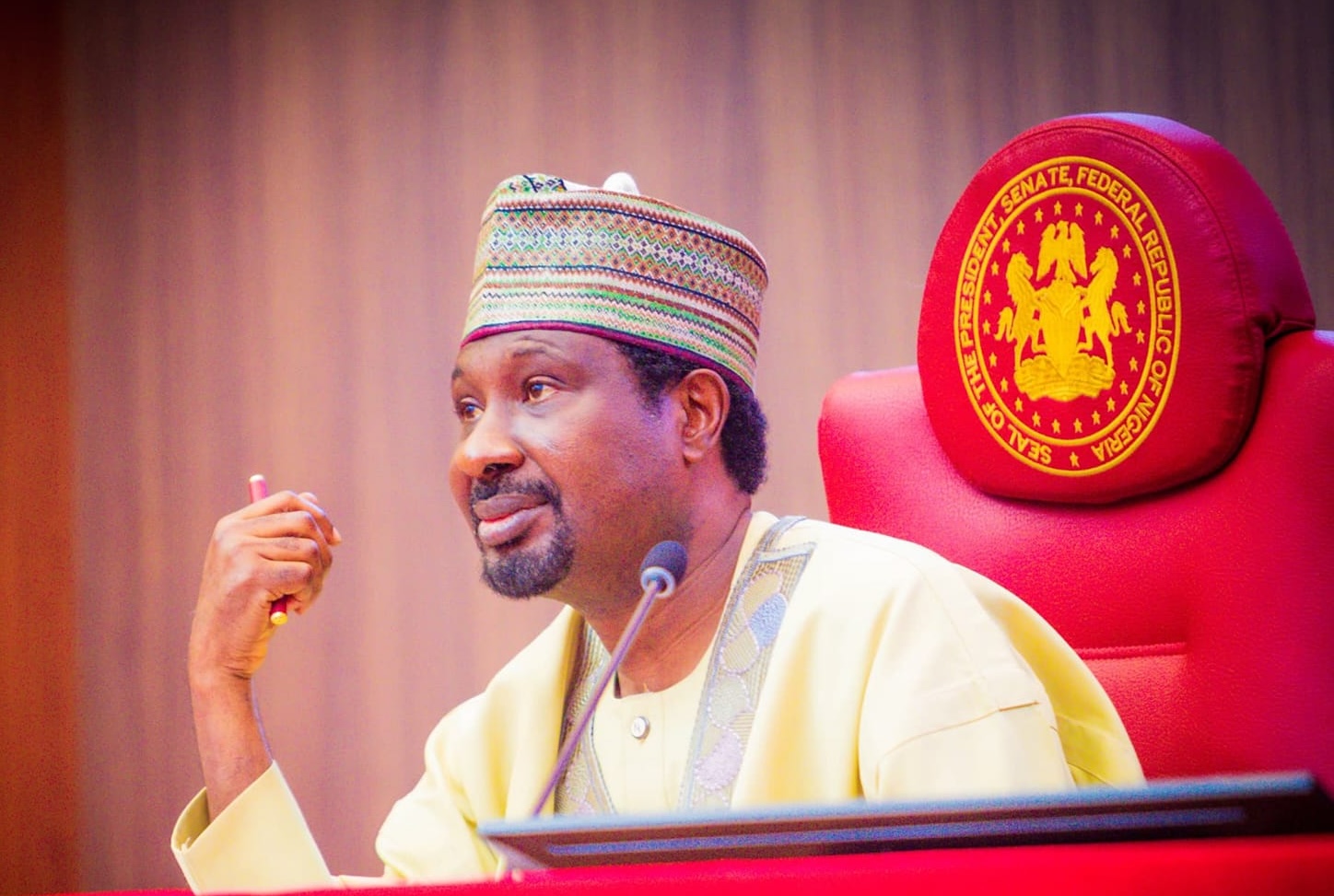
Barau Disagrees with Osinbajo’s Gloomy Picture of Nigeria
Deputy President of the Senate, Barau Jibrin, has disagreed with former Vice-President Yemi Osinbajo’s assessment of Nigeria’s economic situation and democratic governance, arguing that the administration of President Bola Tinubu is taking steps to address the country’s longstanding challenges. Barau spoke at a public lecture in Yola, Adamawa State, organised to mark Governor Ahmadu Fintiri’s 59th birthday. Osinbajo had raised concerns about public dissatisfaction with democracy, economic hardship and declining confidence in government across Africa, citing Afrobarometer findings. The surveys indicated that although 64 per cent of Africans preferred democracy, only 38 per cent were satisfied with how it was functioning. Responding to the concerns, Barau described Osinbajo’s presentation as insightful but maintained that inadequate communication between government and citizens had contributed to the negative perception of the country’s progress. He argued that Nigerians needed clearer information about policies and projects intended to improve their living conditions.
The Senate deputy president pointed to education funding and infrastructure development as areas where the Tinubu administration was making efforts to address national challenges. He cited the Nigerian Education Loan Fund, NELFUND, as an initiative expanding access to higher education, particularly for students who might otherwise struggle to meet the cost of schooling. Barau also highlighted major road projects, including the Lagos-Calabar Coastal Highway and the Badagry-Sokoto Highway, saying improved infrastructure was essential for economic growth and prosperity. He acknowledged that progress would take time but insisted that work was underway. On the rising cost of living, Barau argued that Nigeria’s economic difficulties were partly influenced by international developments, including the Russia-Ukraine war and tensions in the Middle East. He said disruptions to global supply chains and increases in energy prices had raised production and transportation costs, affecting goods and services worldwide. Barau maintained that these external pressures should be considered alongside domestic challenges, while urging the government to strengthen public engagement and communicate its interventions more effectively to Nigerians.
#UTVAfrica#