TOURIST ATTRACTIONS OF AFRICA
TOURIST ATTRACTIONS OF AFRICA
1. MOROCCO: The Red Labyrinth of Marrakech
Morocco currently sits as the most visited destination on the continent, and if you want to understand why, you have to start in the Marrakech Medina. This isn't just a marketplace, it is a living, breathing labyrinth that has been the beating heart of North African trade for nearly a thousand years. Historically, this walled city served as the capital of the Almoravid Empire, acting as a vital bridge between the gold mines of Sub-Saharan Africa and the royal courts of Europe.
When you step inside, the first thing that hits you is the color. The massive red sandstone walls, which gave Marrakech its nickname "The Ochre City," stand as a testament to medieval Islamic urban planning. But it’s the sensory overload that keeps you there. You move from the scent of fresh cedarwood in the carpentry souks to the sharp, sweet aroma of mint tea and mountains of saffron and turmeric.
The historical significance peaks at the Koutoubia Mosque, whose 12th-century minaret provided the blueprint for the Giralda in Spain. But for the average traveler, the real show is the Jemaa el-Fnaa square. By day, it’s a stage for snake charmers and historians telling ancient tales in Arabic. By night, it transforms into the world's largest open-air restaurant. It’s a place where the 11th century meets the 21st, and it’s that seamless blend of "ancient cool" that makes Morocco the tourism powerhouse it is today.
2. EGYPT: The Eternal Stones of Giza
Egypt remains a titan of global tourism because, quite frankly, nothing on Earth can compete with the Pyramids of Giza. These aren't just ruins, they are the last remaining wonder of the ancient world. When you stand at the foot of the Great Pyramid of Khufu, you are looking at a feat of engineering from 2500 BC. For over 3,800 years, this was the tallest man-made structure on the planet, a record that wasn’t broken until the Middle Ages.
To understand its significance, you have to look at the "how" and the "why." These weren't just big piles of stone built by slaves, as old Hollywood movies might suggest. Modern archaeology shows they were built by highly skilled laborers who were well-fed and respected. The Pyramids were sophisticated symbolic machines, perfectly aligned with the stars of Orion’s Belt, designed to launch the Pharaoh’s soul into the afterlife.
Then there is the Great Sphinx, the massive limestone statue with the body of a lion and the head of a king. It has sat in the sand for four millennia, watching the rise and fall of empires. For a tourist, the experience is about more than just a photo. It’s the feeling of total insignificance in the face of deep time. Whether you are exploring the narrow, claustrophobic shafts inside the King’s Chamber or taking a camel trek across the dunes as the sun sets behind the Sphinx, you are participating in a travel tradition that goes back to the ancient Greeks and Romans.
3. SOUTH AFRICA: The Wild Heritage of Kruger
While Cape Town gets the glitz, the Kruger National Park is the soul of South African tourism. To give you an idea of the scale, this park is roughly the size of the country of Israel. It was established in 1898 by Paul Kruger, and its historical significance cannot be overstated. It represented one of the world's first major shifts in human thinking—moving away from the colonial culture of "big game hunting" and toward a philosophy of modern preservation.
Historically, the land tells a story that goes back even further than the animals. Within the park, there are over 250 recorded archaeological sites, including Stone Age and Iron Age ruins, and ancient San rock art that dates back thousands of years. It’s a reminder that humans and wildlife have been navigating this landscape together since the dawn of our species.
For the modern traveler, the draw is the "Big Five"—the lion, leopard, rhinoceros, elephant, and buffalo. But the Kruger experience has evolved. It’s now a global leader in anti-poaching technology and "citizen science," where tourists help rangers track animal populations through apps. You can experience it from a five-star glass-walled lodge or by sleeping in a tent under the stars, listening to the roar of a lion in the distance. It is the place that defines the "Wild" in the Rainbow Nation, proving that a country’s natural heritage can be its most powerful brand.
4. TUNISIA: The Blue and White Sanctuary of Sidi Bou Said
Tunisia is the Mediterranean’s best-kept secret, and Sidi Bou Said is its clifftop dream. This isn't just a pretty resort town; it’s a site where history and aesthetics are legally protected. While it looks like a modern getaway, this village has been a spiritual hub since the 13th century, when a Sufi scholar named Abu Said al-Beji settled here to meditate and teach. For centuries, it was a place of pilgrimage, known more for its religious significance than its views.
The village's iconic look—that blinding white architecture paired with brilliant "Tunisian blue" doors and shutters—was actually a deliberate act of heritage preservation. In the 1920s, a French artist and musicologist named Baron Rodolphe d'Erlanger led a movement to protect the town’s unique beauty. He helped pass a decree that made it one of the world's first architectural heritage sites. This ensured that no modern development could ruin the "vibe" that had attracted legendary artists like Paul Klee and Henri Matisse.
For a tourist today, walking through Sidi Bou Said is like stepping into a painting. You have the scent of fresh jasmine in the air, the sound of the Mediterranean waves crashing below the cliffs, and the intricate "moucharabieh" or wooden lattice windows that speak to the town's Islamic heritage. It’s a masterclass in how a nation can use art and history to create a premium tourism brand that feels both ancient and timeless.
5. TANZANIA: The Beacon of Kilimanjaro
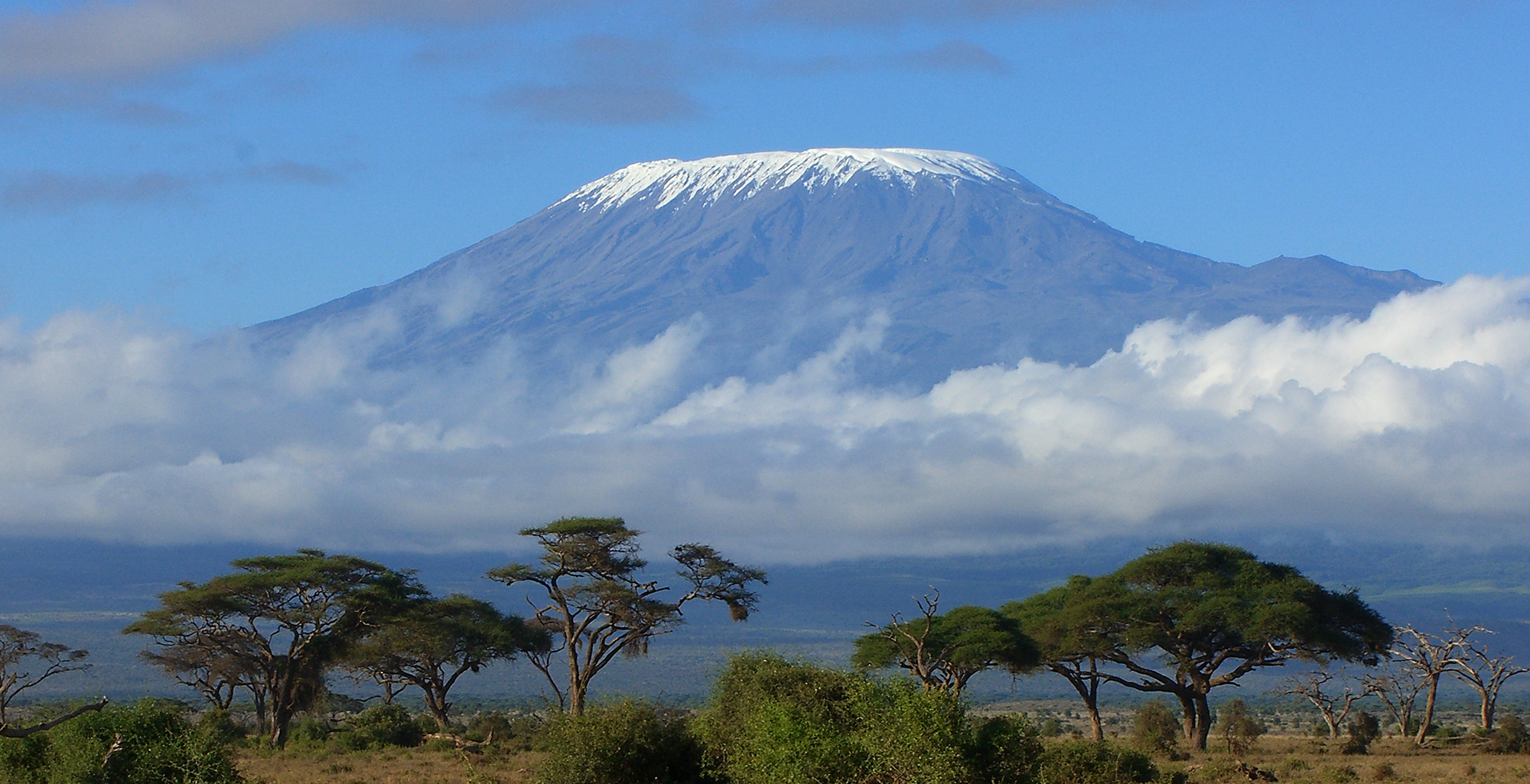
Tanzania owns the roof of Africa, and Mount Kilimanjaro is much more than just a mountain; it’s a symbol of continental pride. It is the world's tallest free-standing mountain, meaning it doesn’t belong to a range—it simply erupts out of the savannah. Its historical significance is rooted in the very birth of the nation. When Tanganyika gained independence in 1961, the first president, Julius Nyerere, ordered a torch—the "Uhuru Torch"—to be placed at the summit to symbolize hope, unity, and a light shining across the borders to those still under colonial rule.
Geologically, Kilimanjaro is a dormant volcano with three distinct cones: Shira, Mawenzi, and Kibo. Climbing it is often described as walking from the Equator to the North Pole in a single week. You start in lush tropical rainforests, move through moorlands filled with alien-looking plants like the Giant Senecio, and finally reach the arctic zone of the Uhuru Peak, where glaciers have sat for over 10,000 years.
For the travel industry, Kilimanjaro is a primary global "thermometer." Scientists and tourists alike watch its receding glaciers as a visual record of climate change. For the thousands who trek it every year, the challenge isn't just physical; it's a mental journey through history and nature. Standing at the top at sunrise, looking down at the clouds covering the East African plains, you aren't just at a tourist site; you are standing on a landmark that has guided explorers and revolutionaries for centuries.
6. MAURITIUS: The Fortress of Le Morne Brabant
Mauritius might be famous for 5-star luxury, but Le Morne Brabant is where you find its soul. This rugged basaltic mountain, jutting out into a turquoise lagoon, is a monument to the human spirit. In the 18th and early 19th centuries, it served as a natural fortress for "maroons," enslaved people who escaped the island’s sugar plantations. The mountain’s sheer cliffs and hidden caves made it the perfect hideout, allowing escaped people to form a secret, free society right under the noses of colonial authorities.
There is a tragic but powerful legend tied to the mountain. It’s said that when slavery was abolished in 1835, a police expedition was sent up the mountain to tell the maroons they were free. However, fearing they were being hunted, many maroons reportedly jumped to their deaths from the cliffs rather than risk being captured again. This makes Le Morne a sacred site for the African diaspora and a UNESCO World Heritage site that represents the ultimate resistance against oppression.
Today, tourists hike the mountain not just for the view—which includes a famous "underwater waterfall" optical illusion caused by sand silt—but to pay respects to that history. It’s a place where the geography of the island meets the struggle for human rights. In a world of manicured beaches, Le Morne stands as a raw, jagged reminder that Mauritius's beauty was forged through a very real and difficult history.
7. KENYA: The Ancient Pulse of the Maasai Mara
If you’ve ever watched a nature documentary, you’ve seen the Maasai Mara. But to understand the Mara, you have tounderstand the people whose name it bears. The Maasai are one of the few cultures in the world that have successfully coexisted with the planet’s most dangerous predators for centuries. Historically, the Mara isn't a "park" in the Western sense; it is an ancestral grazing land where the balance between cattle and lions was maintained through traditional laws long before any colonial borders were drawn.
The Mara’s biggest draw is the Great Migration, a prehistoric cycle where over two million wildebeest, zebras, and gazelles move in a life-or-death loop between Kenya and Tanzania. This is nature in its most raw, unedited form. For historians and scientists, the Mara is a "living laboratory." It shows us how a landscape would have looked millions of years ago, before the rise of industrialization.
For the modern traveler, the Mara represents the gold standard of "community-based conservation." Much of the land is now managed in "conservancies" where the Maasai people receive direct tourism revenue to protect the wildlife. This ensures that the history of the people and the history of the animals remain intertwined. Whether you’re watching a lion hunt from a 4x4 or taking a walking safari with a Maasai warrior, you are experiencing a landscape that has remained virtually unchanged since the dawn of time.
8. SENEGAL: The Echoes of Gorée Island
Just a twenty-minute ferry ride from the bustling streets of Dakar lies Gorée Island, a place where time seems to have stood still. It is a tiny, car-free island filled with pastel-colored Mediterranean houses and narrow streets lined with bougainvillea. But don't let the beauty fool you; Gorée holds a heavy history. For over 300 years, this island was one of the most significant transit points for the Atlantic slave trade.
The centerpiece of the island is the Maison des Esclaves (House of Slaves). Walking through its dark, cramped holding cells gives you a visceral sense of the scale of the tragedy. The most famous feature is the "Door of No Return," a narrow stone opening that looks out directly onto the Atlantic Ocean. This was the final point of contact with the African continent for millions of people before they were loaded onto ships for the Americas.
Gorée is now a site of pilgrimage. Global leaders, celebrities, and thousands of members of the African diaspora come here to reflect on the past and honor their ancestors. It serves as a powerful reminder of Senegal's role as a cultural bridge. The island has been preserved exactly as it was, serving as a physical "history book" that ensures the world never forgets the cost of the trade that shaped the modern world.
9. NAMIBIA: The Ancient Sands of Sossusvlei
Namibia offers a landscape that feels like it belongs on another planet. Sossusvlei is the heart of the Namib Desert, which is widely considered the oldest desert on Earth, dating back at least 55 million years. The towering red sand dunes you see here aren't just piles of dirt; they are ancient geological formations that have been shaped by the winds of the Atlantic for eons. Some of these dunes, like "Big Daddy," stand over 300 meters tall.
The historical significance of Sossusvlei lies in the survival strategies developed by the indigenous San people and the unique wildlife. In a place where it almost never rains, life depends on the morning fog that rolls in from the ocean. Insects, lizards, and plants have evolved to "harvest" this moisture, a process that has remained unchanged for millions of years.
The most photographed spot is Deadvlei, a white clay pansurrounded by the highest dunes. Here, you’ll find the skeletons of camel thorn trees that died 900 years ago when the river changed course. Because the air is so dry, they haven't decomposed; they’ve just been scorched black by the sun. It’s a place of "deep time," where you can physically see the history of our planet’s shifting climate. For a tourist, it’s a silent, hauntingly beautiful experience that forces you to think about the earth's resilience over millions of years.
10. RWANDA: The Green Renaissance of Volcanoes National Park
Rwanda has undergone what many call a "Green Renaissance," and Volcanoes National Park is the crown jewel of that transformation. This park, part of the larger Virunga Massif, consists of five massive volcanoes blanketed in thick bamboo forest. But its true historical weight comes from the work of Dian Fossey. In the 1960s, she established the Karisoke Research Center here, spending 18 years living among the mountain gorillas. Her research and her fierce fight against poachers are the only reasons the species exists today.
Historically, the park is a symbol of Rwanda’s recovery. After the tragedy of 1994, the government made a deliberate choice to turn the park into a world-class eco-tourism destination. They turned former poachers into park rangers and trackers, creating a system where the local community sees the gorillas as their most valuable asset.
For the traveler, gorilla trekking is an elite, life-changing experience. You hike through misty, high-altitude forests until you are suddenly sitting just meters away from a silverback and his family. There are no fences and no cages—just a raw connection between two species. It’s an expensive trip, but the revenue goes directly into conservation and building schools for the surrounding villages. It’s a perfect example of how a nation can use its history of scientific research and its natural beauty to build a sustainable, high-value future.
BONUS: THE ABUJA SPOTLIGHT – Zuma Rock
Since you’re in Abuja, we must talk about the "Monolith of Nigeria." Zuma Rock isn't just a landmark; it is the "Gateway to Abuja." Rising 725 meters above the surrounding plains, this massive igneous intrusion is twice as high as the Eiffel Tower. Historically, it was used by the Gbagyi people as a defensive fortress. During tribal wars, they would retreat to the rock, using its sheer height and natural springs at the top to withstand long sieges.
The rock is shrouded in local legend. Many believe it has a "face" etched into the natural formation of lines and shadows that looks like a person watching over the road. Because of its spiritual and cultural importance, it was chosen to be featured on Nigeria’s 100 Naira note, cementing its place as a national icon.
For a visitor, Zuma Rock represents the intersection of ancient history and modern development. As you drive into the capital, the rock looms over the highway, a silent witness to the growth of Abuja from a small village area to a major African power center. It’s one of the few places where you can feel the raw, prehistoric power of the Nigerian landscape while standing just minutes away from the hustle and bustle of a modern federal capital.