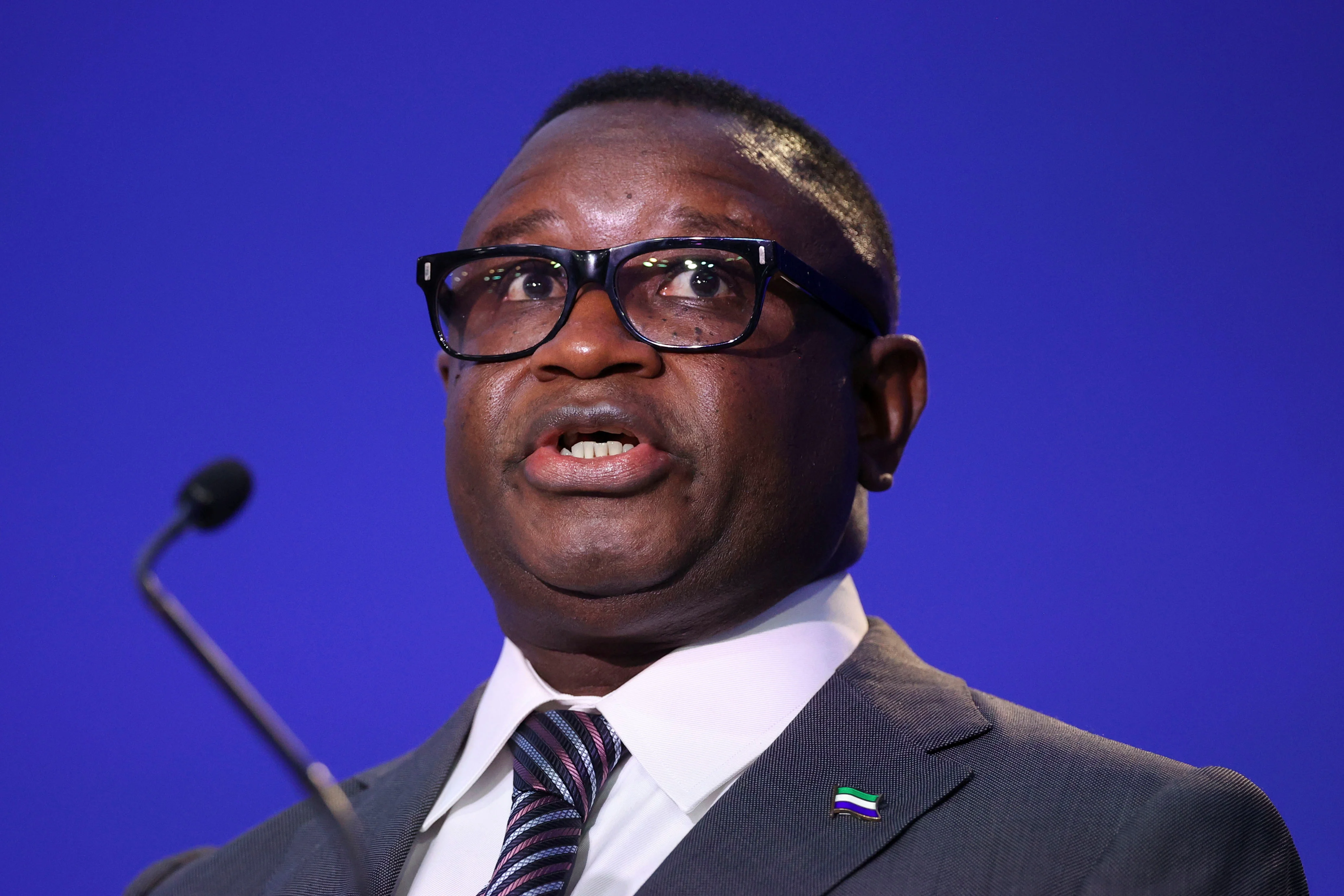
PRESIDENT JULIUS MAADA BIO — THE MANDELA OF OUR TIME
By Chichi Umeseaka
Leadership in Africa has produced many remarkable figures, but few names command the enduring reverence associated with Nelson Mandela. His life transcended politics. It became a symbol of courage, sacrifice, reconciliation, service and the possibility of transforming a deeply divided society through principled leadership.
It is against this backdrop that I reflect on the leadership of President Julius Maada Bio of Sierra Leone and the qualities that, in my view, invite comparison with Mandela's legacy.
Understanding the Mandela Legacy
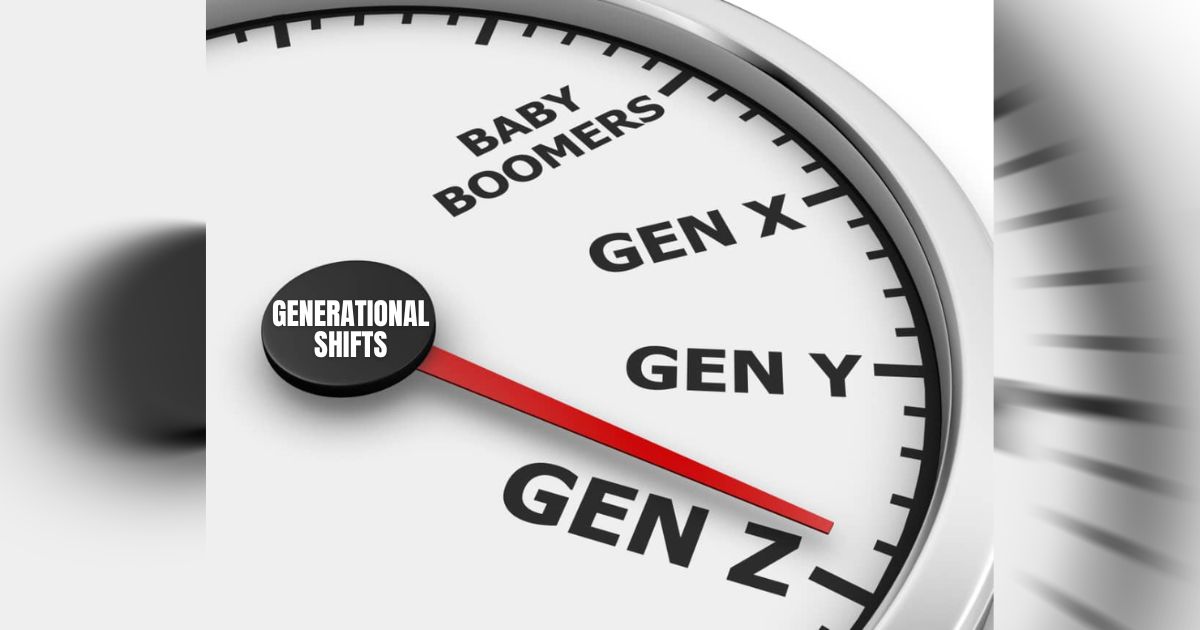
For the benefit of the younger generation, particularly Gen Z, it is difficult to adequately capture Nelson Mandela's significance in a few paragraphs.
His contribution to the liberation of South Africa, his role in the country's democratic transformation, and the example he offered to Africa and the world remain extraordinary. Decades after his presidency and years after his death, Mandela's name remains synonymous with leadership, reconciliation and public service. His legacy continues to inspire institutions and leadership programmes around the world.
Mandela demonstrated that political power could be exercised not simply as authority over people, but as a responsibility to them.
That idea connects strongly with the traditional African philosophy of Ubuntu — often expressed through the principle, "I am because we are."
At its best, African leadership has historically been rooted in community, service, consultation and collective responsibility. Leadership was not merely about occupying a position; it was about being entrusted with the welfare of the community.
Its essential principles include:
● Collectiveness: leadership for the shared benefit of society rather than personal advancement.
● Servant leadership: understanding leadership as stewardship and responsibility rather than privilege.
● Shared decision-making: recognising consultation, councils, elders and community consensus.
● Empathy: demonstrating genuine concern for the welfare and dignity of others.
● Accountability: recognising that leadership ultimately derives its legitimacy from the people it serves.
Colonialism disrupted many indigenous African governance structures, replacing them in several instances with more centralised administrative systems. Modern African states therefore continue to grapple with the challenge of combining traditional values of community and accountability with contemporary democratic institutions.
What Made Mandela Exceptional?
Several qualities defined Nelson Mandela's leadership.
● Courage and resilience. Mandela spent 27 years in prison because of his struggle against apartheid. Yet imprisonment did not extinguish his commitment to building a democratic South Africa.
● Reconciliation. Perhaps one of his most remarkable qualities was his decision to pursue reconciliation rather than vengeance after his release. He understood that South Africa could not build a sustainable future if it remained permanently imprisoned by the hatred of its past.
● Service. Mandela consistently presented leadership as service rather than personal entitlement.
● Listening and understanding. He made deliberate efforts to understand even those who opposed him, recognising that sustainable political settlements require dialogue.
● Humility. Despite becoming one of the world's most recognisable political figures, Mandela remained associated with an inclusive leadership style.
● Vision. Above all, he understood that leadership required looking beyond immediate political advantage towards the society future generations would inherit.
These qualities provide the framework through which I consider President Julius Maada Bio's leadership.
Connecting the Dots: Julius Maada Bio
One significant episode in President Bio's political history occurred in 1996.
As military Head of State and leader of Sierra Leone's National Provisional Ruling Council, Bio oversaw a transition that culminated in multiparty elections and the transfer of power to the elected civilian government of President Ahmad Tejan Kabbah.
That decision remains an important part of his political story.
More than two decades later, Bio returned to national leadership through electoral politics and became Sierra Leone's fifth President in 2018.
This journey — from military leadership, through a transfer to civilian government, and ultimately back to the presidency through elections — is an unusual trajectory in African politics.
Reconciliation and the Return of Ernest Bai Koroma
Another recent development that invites reflection on reconciliation was the government's decision in July 2026 to discontinue treason-related charges against former President Ernest Bai Koroma.
Koroma had faced charges arising from the November 2023 events that Sierra Leonean authorities described as an attempted coup. Following the discontinuation of the case, he returned to Sierra Leone in September 2026 after an extended stay in Nigeria.
Whatever political interpretations may surround the episode, the development created an opportunity for renewed national dialogue and reconciliation.
In a continent where political differences can too easily become permanent divisions, gestures that create space for dialogue and national cohesion deserve careful attention.
Education and Human Capital Development
Another area where I see parallels in leadership priorities is education.
Mandela famously regarded education as central to social transformation. Under his presidency, South Africa's democratic constitutional order established education as a fundamental right and sought to dismantle the racially discriminatory education system inherited from apartheid.
President Bio has similarly placed education at the centre of his government's development agenda.
His administration's Free Quality School Education Programme has expanded access to education, while human-capital development has remained an important element of his government's policy agenda.
The underlying principle is significant: a nation's greatest resource is ultimately its people.
Roads, buildings and natural resources matter, but sustainable national development depends upon educating, empowering and investing in citizens.
Giving Africa a Stronger Global Voice
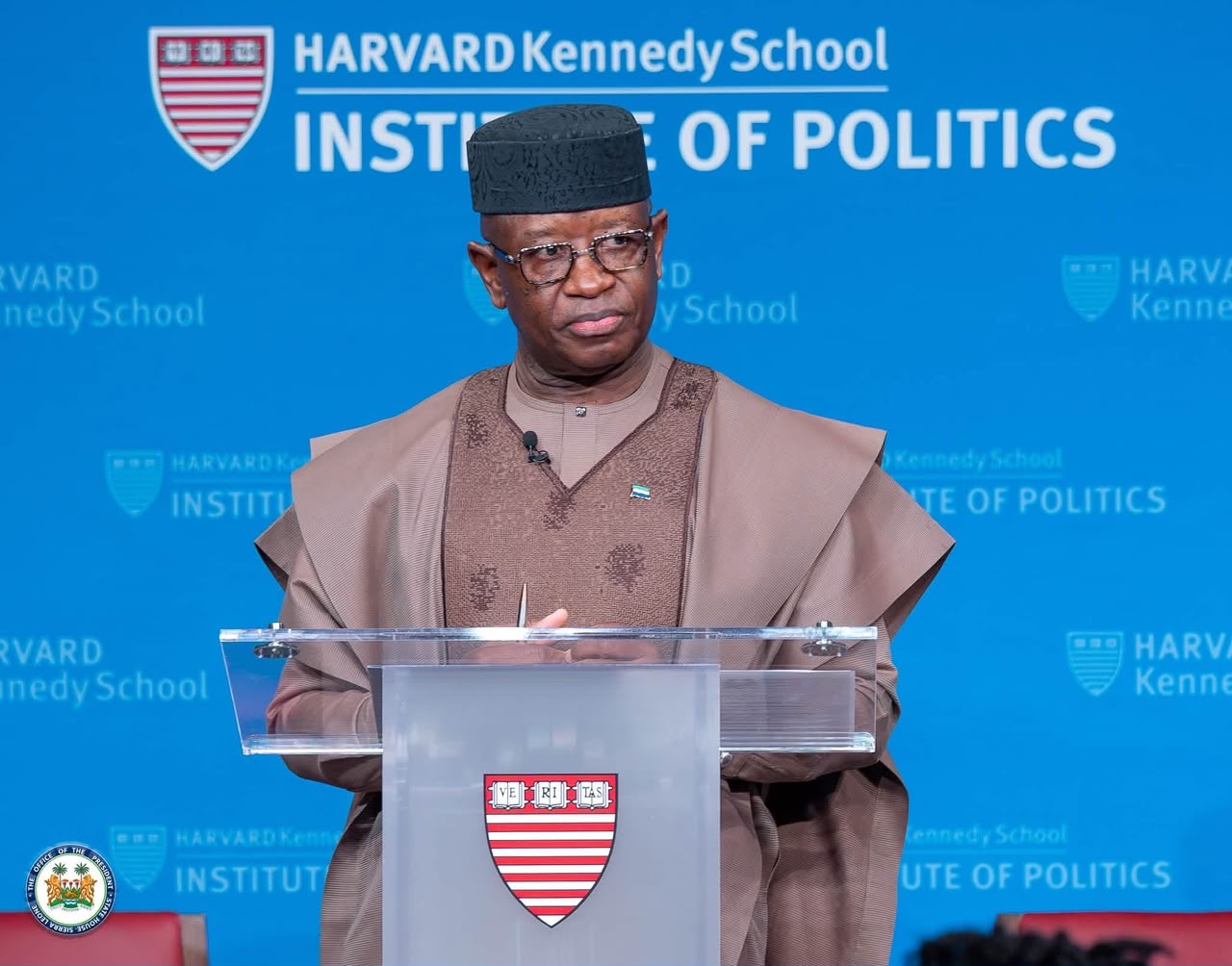
President Bio has also become prominent in Africa's longstanding campaign for reform of the United Nations Security Council.
As Coordinator of the African Union Committee of Ten Heads of State and Government on UN Security Council Reform — the C-10 — he has advocated the Common African Position calling for greater African representation, including permanent representation, on the Security Council.
For a continent of more than a billion people, whose countries constitute a substantial proportion of UN membership and whose peace and security issues frequently occupy the Council's agenda, the question of representation remains an important global governance debate.
Bio has used international platforms to advance that African position.
Peace, Security and Sustainable Development
President Bio's international advocacy has also addressed peace, security and sustainable development.
His public positions have emphasised that lasting peace cannot depend solely on military responses. Poverty, institutional weakness, inequality, unemployment and other underlying drivers of instability also require attention.
Domestically, his administration has emphasised human capital development, education, healthcare, food security, women's empowerment and climate resilience.
These priorities broadly align with the United Nations Sustainable Development Goals and reinforce the argument that security and development are interconnected.
The First Lady and the Campaign Against Child Marriage
Sierra Leone has also recently attracted international attention for its advocacy against child, early and forced marriage.
In September 2026, the United Nations General Assembly adopted by consensus a Sierra Leone-led resolution establishing 27 November as the International Day for the Elimination of Child, Early and Forced Marriage.
First Lady Dr Fatima Maada Bio has been a prominent advocate on this issue internationally, while Sierra Leone has also enacted legislation prohibiting child marriage.
This is particularly important because the advancement of women and girls is not simply a women's issue; it is fundamentally a development issue.
When girls remain in school, avoid early marriage and have opportunities to participate fully in society, entire communities benefit.
The partnership between President Bio and First Lady Fatima Maada Bio therefore represents another dimension of Sierra Leone's international advocacy.
It may remind some observers of the visibility of Nelson and Winnie Mandela in South Africa's political history, although their circumstances, political roles and historical contexts were markedly different.
Sierra Leone's Growing International Profile
Sierra Leone has assumed several significant international responsibilities in recent years.
The country served as a non-permanent member of the United Nations Security Council for 2024–2025, returning to the Council after more than five decades. President Bio personally presided over high-level Security Council discussions during Sierra Leone's presidency of the Council in August 2024.
Sierra Leone has also served on the African Union Peace and Security Council for the 2024–2026 term.
In June 2025, President Bio became Chairman of the Authority of ECOWAS Heads of State and Government. His tenure continued until July 2026, when Senegalese President Bassirou Diomaye Faye succeeded him.
For Sierra Leone, a relatively small West African nation, occupying these regional and international platforms has provided an opportunity to amplify its diplomatic voice.
A Personal Connection to ECOWAS
President Bio's period of leadership within ECOWAS particularly resonated with me because of my own academic interest in regional integration and peacebuilding.
My Master's research examined:
"The Role of ECOWAS in MDRP Multi-Country Demobilization and Reintegration Programme."
The research strengthened my appreciation of the importance of regional institutions in addressing conflict, peacebuilding, demobilisation and reintegration.
For me, therefore, observing a Sierra Leonean President lead ECOWAS carried significance beyond the ceremonial aspects of the position. It reinforced the importance of regional leadership in confronting West Africa's increasingly complex security, economic and political challenges.
Leadership Beyond Borders
President Bio's international advocacy has increasingly centred on several interconnected themes: African representation in global governance, regional peace and security, human-capital development, education, gender equality and sustainable development.
These are not uniquely Sierra Leonean issues.
They are African issues.
And increasingly, they are global issues.
This is perhaps where the comparison with Mandela becomes most interesting.
Mandela's influence ultimately transcended South Africa. His moral authority derived not simply from the office he occupied, but from the values his leadership came to represent.
Whether history ultimately places President Julius Maada Bio in a comparable category is a judgment that will belong to future generations and will depend on the full record of his leadership.
But there are aspects of his political journey — the 1996 transition to civilian government, his emphasis on education and human development, his advocacy for Africa's voice in global governance, and recent efforts that have opened space for political reconciliation — that invite reflection on some of the leadership principles associated with Mandela.
That is why, from my perspective, Julius Maada Bio represents a contemporary African leadership story worth watching.
As Sierra Leone prepares to welcome Heads of State, government officials, international organisations, development partners and investors for the West Africa Investment Summit in November 2026, another opportunity emerges for the country to demonstrate its ambitions on the regional and global stage.
Africa needs leadership that understands that power is temporary but legacy is enduring.
Leadership that builds rather than divides.
Leadership that listens rather than dictates.
Leadership that invests in people.
Leadership that recognises that national progress means little unless ordinary citizens participate in it.
That was an important part of Mandela's legacy.
And it remains an aspiration worthy of every African leader.