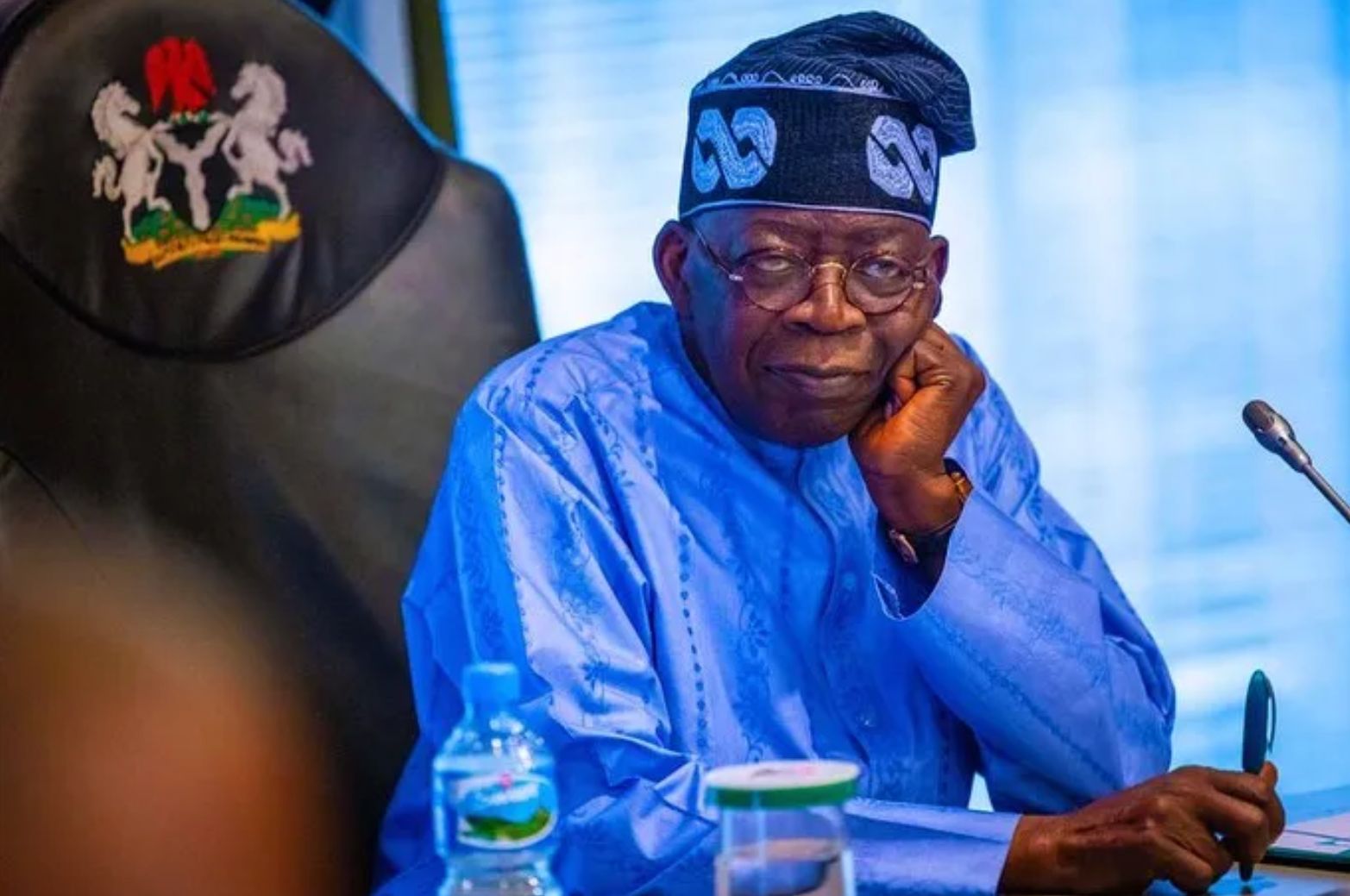
Tinubu Seeks $2.3 Billion External Loan to Fund 2025 Budget, Refinance Debts
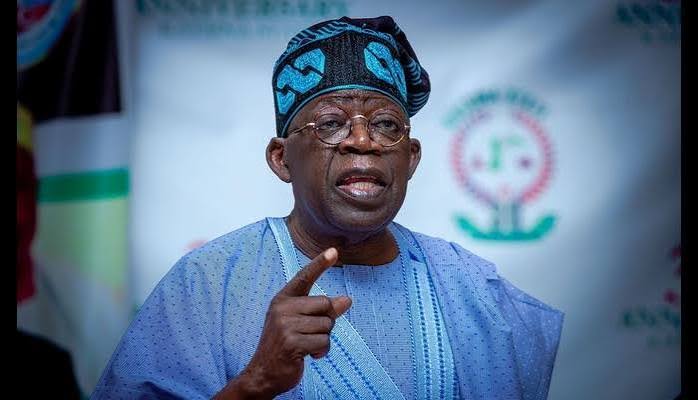
President Bola Ahmed Tinubu has formally requested approval from the House of Representatives to secure an external loan of approximately $2.3 billion to help fund Nigeria’s 2025 budget deficit and refinance maturing Eurobond debts.
The request was contained in a letter addressed to the House and read during Tuesday’s plenary session by Speaker Abbas Tajudeen. In the letter, President Tinubu outlined a total external borrowing plan of $2,347,465,000, including $1.2 billionfor financing the 2025 Appropriation Act and another $1.1 billion earmarked to refinance outstanding Eurobonds.
According to the letter, the federal government has seen significant success in raising funds domestically through instruments like Sukuk bonds. Between September 2017 and May 2025, the Debt Management Office (DMO) raised ₦1.39 trillion in Sukuk funding to finance critical road infrastructure projects across the country.
However, the President noted that domestic sources alone are insufficient, emphasizing the need to tap into external funding channels to bridge the country’s widening infrastructure gap. He also stressed the importance of diversifying Nigeria’s funding sources and expanding the investor base.
President Tinubu proposed raising the funds through a mix of Eurobond issuances, bridge financing from bookrunners, loan syndications, and direct borrowing from international financial institutions.
Additionally, he requested approval for the issuance of a stand-alone sovereign Sukuk of up to $500 million, with or without a credit enhancement guarantee from the Islamic Corporation for the Insurance of Investment and Export Credit (ICIEC) — a member of the Islamic Development Bank Group. According to the President, the ICIEC has offered an indicative term sheet, with a policy premium of 3.5% per annum on the guaranteed amount.
If the ICIEC-backed Sukuk is approved, up to 25% of the proceeds may be used to settle high-interest debts, while the remaining 75% would fund priority infrastructure projects.
In his letter, Tinubu urged the House to approve two key resolutions: first, the raising of $2.347 billion in external capital for the 2025 budget and Eurobond refinancing; and second, the issuance of the $500 million Sukuk bond with optional ICIEC credit backing.
This new borrowing request adds to Nigeria’s broader fiscal strategy under the Tinubu administration. Earlier in 2025, the Senate approved a $21.5 billion external borrowing plan for 2025–2026 aimed at covering budget deficits and supporting priority sectors including infrastructure, agriculture, education, and healthcare.
In July, lawmakers also approved an additional $347 million loan along with ₦757 billion to offset pension bond arrears.
However, rising debt levels have sparked concerns among economists and lawmakers alike. Nigeria’s total public debt surpassed $108 billion by mid-2025, according to data from the Debt Management Office (DMO), prompting warnings that the government’s borrowing trajectory may be setting a “dangerous fiscal precedent.”
#UTVAfrica#