2027: Jega, INEC, EU Warn of AI-Driven Disinformation Threat to Elections
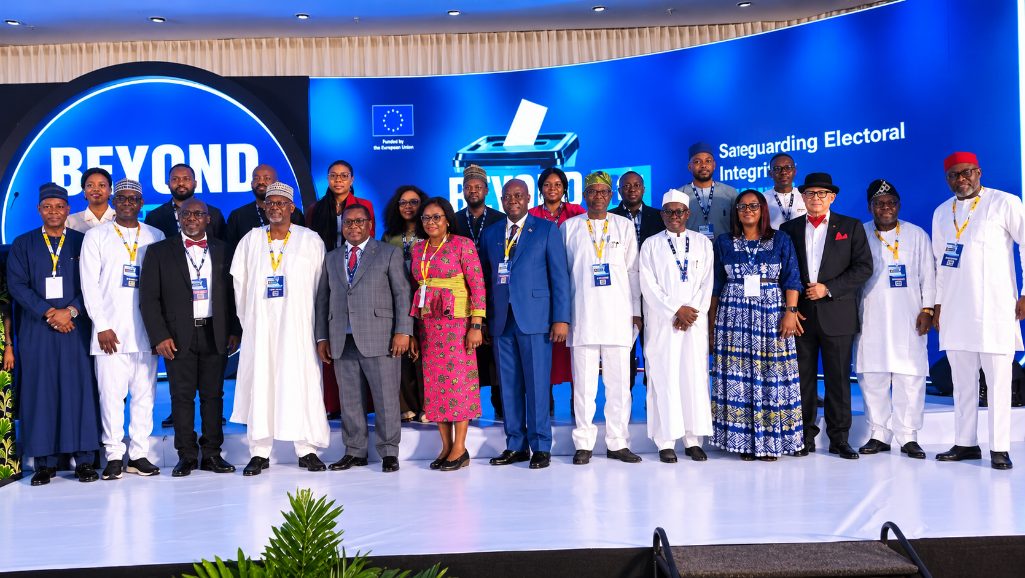
Nigeria’s electoral stakeholders have called for urgent measures to protect the information environment ahead of the 2027 general elections, warning that artificial intelligence and coordinated digital manipulation could influence voters and weaken public confidence in the electoral process. The concerns emerged at the National Summit on Electoral Information Integrity, held in Abuja from November 2 to 3, where participants examined the growing impact of artificial intelligence, foreign information manipulation and interference (FIMI) on democratic processes.
The summit, organised by the International Press Centre (IPC), the Centre for Media and Society (CEMESO) and DAI under the European Union Support to Democratic Governance in Nigeria Programme, brought together representatives of electoral institutions, security agencies, political parties, media organisations, technology platforms and civil society. Former INEC Chairman, Professor Attahiru Jega, urged the commission to consider deploying AI-powered chatbots supported by verified information to help voters obtain reliable answers on electoral procedures and authenticate official announcements. He said such tools could provide an accessible channel for citizens to distinguish legitimate electoral updates from misleading messages circulating online.
INEC Chairman, Professor Joash Amupitan, also warned that digital threats had evolved beyond conventional electoral malpractice, identifying manipulated videos, cloned voices, fabricated documents and automated online networks as potential instruments for disrupting elections. He noted that false information could emerge during voter registration, political campaigns, voting, results announcements and post-election disputes, making it necessary for electoral authorities to strengthen their communication and verification systems throughout the electoral cycle.
European Union Ambassador to Nigeria and ECOWAS, Gautier Mignot, stressed that the manipulation of electoral information could damage democratic institutions even where the integrity of ballots remained intact. He called for stronger collaboration among electoral bodies, media organisations, technology companies and civil society, while cautioning against using the fight against misinformation to restrict press freedom or silence legitimate criticism.
The Federal Government, represented by the Executive Secretary of the Nigerian Press Council, Dr. Dili Ezuga, said protecting the credibility of the 2027 elections required collective action, effective verification channels and sustained public education. He referenced Nigeria’s National Artificial Intelligence Strategy and the Electoral Act 2026 as part of the country’s broader efforts to strengthen electoral and technological governance.
Discussions at the summit also examined the growing challenge of deepfake content, the misuse of digital platforms and the possibility of genuine evidence being dismissed as AI-generated, a phenomenon known as the “liar’s dividend.” Participants further considered the need for rapid-response mechanisms, clear institutional responsibilities and improved digital literacy, particularly among voters in rural communities and those who rely on indigenous languages for information.
A simulation exercise on an AI-driven electoral disinformation crisis was also designed to test how relevant institutions could coordinate their responses to emerging threats. The engagement is expected to contribute to the development of a national response framework ahead of the 2027 polls, with stakeholders emphasising that electoral credibility depends not only on transparent voting and results management but also on ensuring that citizens have access to accurate, timely and verifiable information.
Benita Ibrahim