Residents Raise Alarm Over Contaminated Tap Water in Wuse Zone 6, Abuja
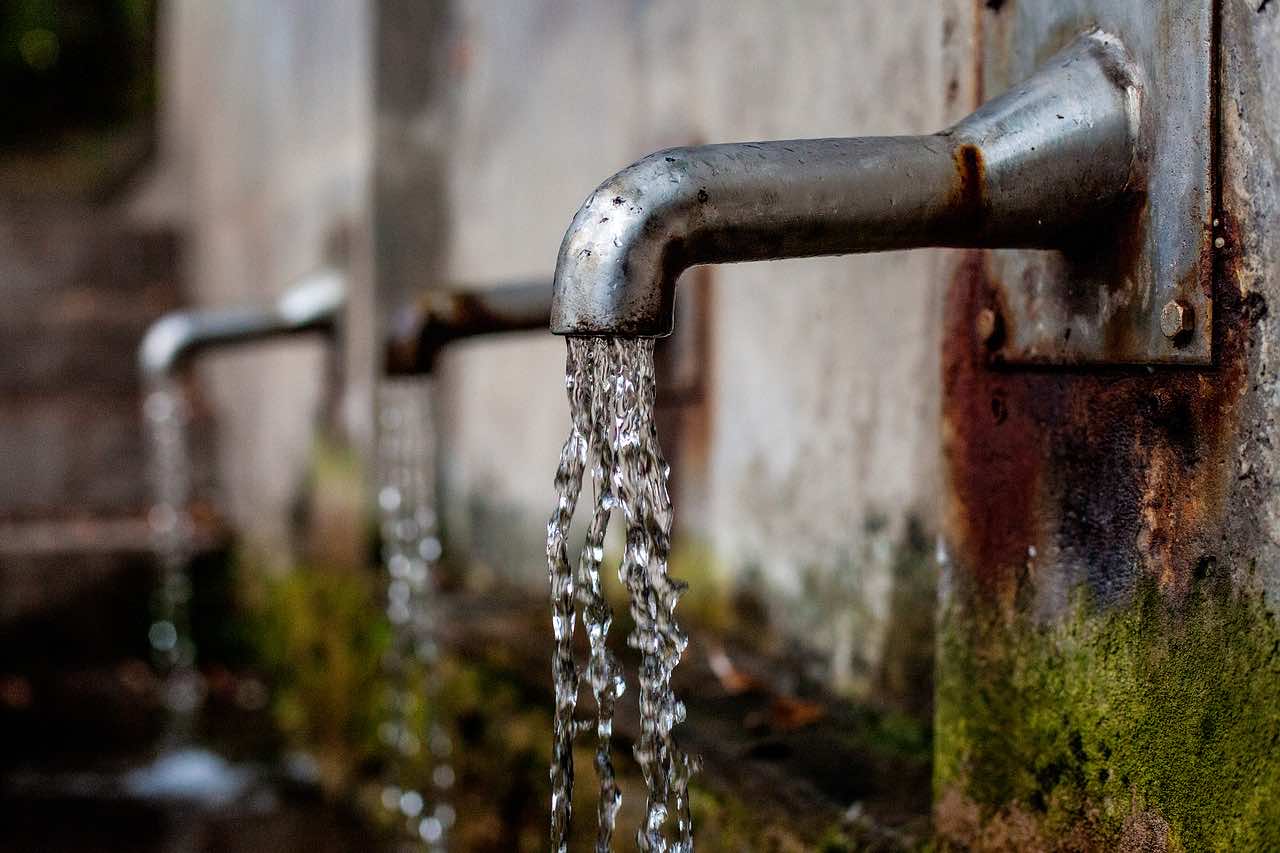
Residents of Wuse Zone 6 in the Abuja Municipal Area Council (AMAC) of the Federal Capital Territory (FCT) have raised serious concerns over alleged contamination of their tap water supply.
The complaints, which have grown in frequency over recent weeks, suggest a possible public health risk, with many residents reporting unsafe water coming from their taps.
Mr. Jimoh Olatunji, a resident, told the News Agency of Nigeria (NAN) on Monday that he and his daughter fell ill after consuming the tap water.
“After drinking the water with my daughter, we both suffered severe stomach upset and had to seek medical attention at the hospital,” he said.
Another resident, Mr. Uche Uchechukwu, described the water as unfit for basic domestic use.
“As soon as we turn on the tap, black and red worms come out, and the water smells like sewage. We can’t use it for drinking, cooking, bathing, or even washing,” he said.
Chairman of the Wuse Zone 6 Residents Association, Alhaji Ayinde Soaga, expressed deep concern and assured residents that he would engage the FCT Water Board on the matter.
“God willing, I’ll visit the FCT Water Board office in Area Three this week to discuss these issues. By our next community meeting, I hope to have some concrete answers,” Soaga stated.
However, in a telephone interview, the General Manager of the FCT Water Board, Mr. Daniel Salka, maintained that the agency supplies clean, potable water across Abuja. He described the Wuse Zone 6 incident as a "localised issue."
“I’ve received this complaint before and dispatched a team to investigate twice. The issue was traced to contamination within specific premises—likely due to sewer lines running too close to water pipes,” Salka explained.
He added that some houses may need to consult professionals to reposition pipes away from potential contamination sources like septic tanks.
“Even with this latest concern, no one has contacted me directly in the past one or two months. I’m just hearing this again from you,” Salka added. “It’s not our water that smells; the same water is supplied to other parts of the city without issue.”
Salka advised residents to refrain from drinking the water for now and promised to dispatch a new inspection team once he receives detailed information about the affected areas.
Water pollution remains a major environmental and public health issue in Nigeria. According to official data, 41% of public water supplies contain faecal contamination. At the point of collection and consumption, contamination rates rise to 68% and 70% respectively.
UNICEF warns that nearly two-thirds of water sources in the country are unsafe. In addition to faecal pollution, other serious threats include oil spills in the Niger Delta—where over 92 million litres of crude oil have been spilled—and the presence of toxic metals and microplastics in rivers such as the Osun.
To address the crisis, the Federal Ministry of Water Resources and Sanitation has established National Water Quality Reference Laboratories to monitor groundwater and industrial effluents. Nigeria has also enacted environmental regulations under NESREA and the National Oil Spill Detection and Response Agency (NOSDRA), while a $1 billion Ogoniland clean-up is underway.
Plastic pollution adds another layer of concern, prompting the federal government to announce a nationwide ban on single-use plastics starting in 2025, following the lead of Lagos State.
Experts continue to stress that enforcement, adequate funding, and coordination among agencies are key to ensuring safe, clean water for all Nigerians.
#UTVAfrica#