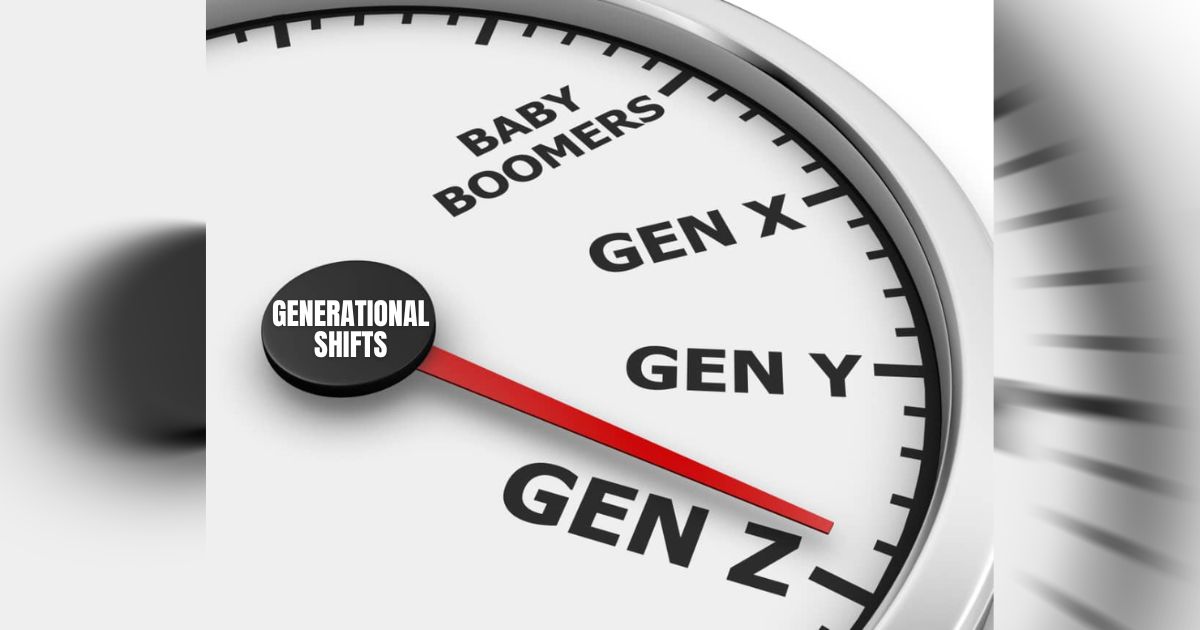
Generational Shifts
Every generation has its own way of thinking, expressing emotions, and living life. As society changes, so do people's attitudes and lifestyles. The differences between older generations and Generation Z are especially noticeable in areas such as self-confidence, communication, and food preferences.
Self-Confidence: Speaking Up Without Fear
Many people believe that older generations were more reserved when expressing their opinions. They often preferred to remain quiet, avoid confrontation, or accept situations without questioning them. Respect for authority and fear of criticism influenced how openly they spoke. Generation Z, however, is more outspoken. Young people today are more willing to express their views, challenge ideas they disagree with, and advocate for what they believe is right. Whether online or in person, they are generally more confident in making their voices heard and standing up for themselves.
Heart-to-Heart Conversations: From Face-to-Face to Digital Spaces
For older generations, emotional support usually came through personal conversations with family members, friends, or trusted elders. Talking through problems helped them find comfort and guidance. Generation Z often takes a different approach. While many still value close relationships, they are more likely to turn to social media, online communities, or digital platforms when they feel overwhelmed. Instead of having long face-to-face conversations, many prefer expressing themselves through posts, videos, or private messages. This shift reflects how technology has changed the way young people seek support and connection.
Food Choices: Fast Food Over Traditional Meals
Food habits also reveal a clear generational difference. Older generations often enjoy traditional local dishes, and these meals remain a source of comfort and satisfaction. Generation Z, on the other hand, is strongly influenced by convenience and global food trends. Many young people crave fast foods such as pizza, burgers, shawarma, fried chicken, and instant noodles like Indomie. Traditional meals are sometimes only enjoyed during special occasions, such as weddings or family celebrations, and even then, they may not be as appealing as modern fast food options.
Conclusion
The differences between older generations and Generation Z are not necessarily about one being better than the other. They simply reflect changing times, new technologies, and evolving lifestyles. While older generations value tradition, personal conversations, and caution, Generation Z embraces openness, digital communication, and modern food culture. Understanding these differences can help bridge the gap between generations and encourage greater respect for each other's perspectives.
Daniel Madaki