Poor Sanitation Threatens Lagos’ Vision of a Modern Megacity
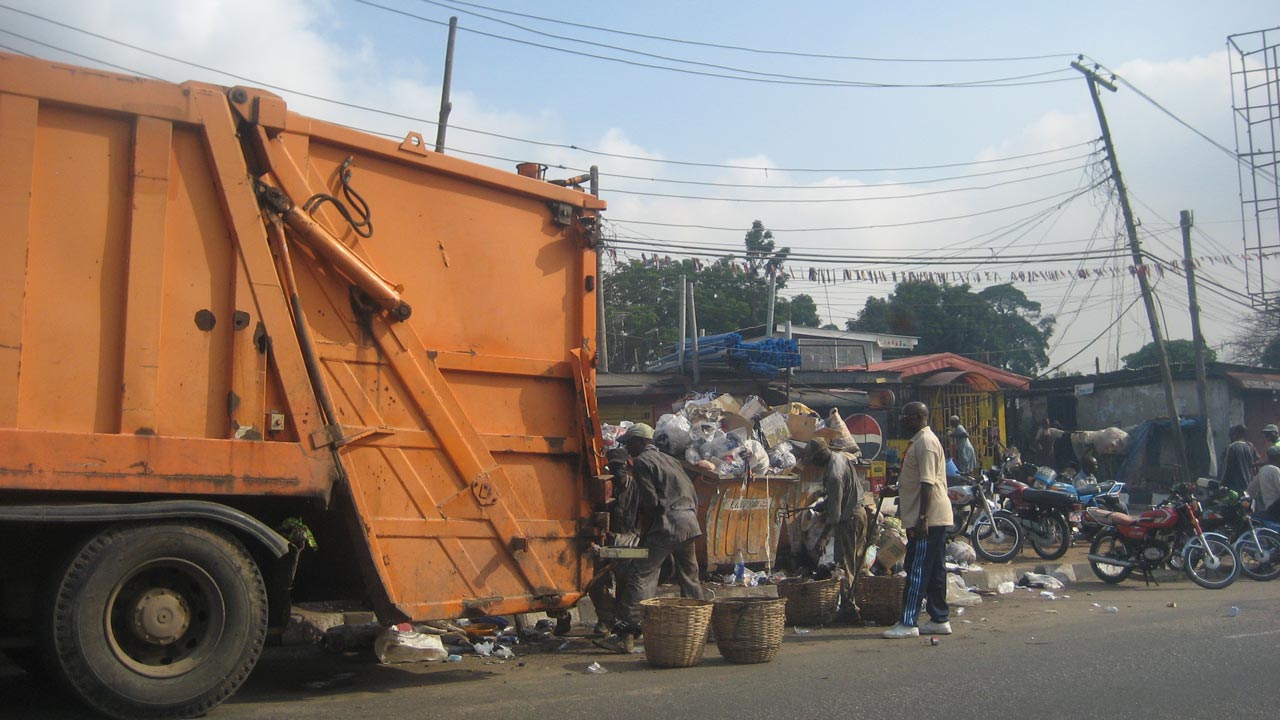
As Lagos continues its push to strengthen its status as one of Africa’s leading commercial and economic hubs, growing concerns over poor sanitation and indiscriminate waste disposal are casting a shadow over the state’s development aspirations. Across several parts of the state, including Oshodi, Ikotun, Ijegun, Surulere, Lagos Island and Abule-Egba, heaps of refuse have become a common sight along road medians, drainage channels, bridges and major highways. The situation has sparked concern among residents, environmental experts and government officials who fear the long-term implications for public health, environmental sustainability and urban development. Despite the reintroduction of monthly environmental sanitation exercises and continued investments in waste management infrastructure, improper refuse disposal remains widespread. Public spaces designed for beautification and landscaping are increasingly being used as dumping sites, while drainage systems intended to manage stormwater are clogged with plastic waste and household refuse. Environmental experts warn that such practices contribute significantly to flooding, environmental degradation and the spread of diseases, particularly during the rainy season. Lagos State Governor Babajide Sanwo-Olu recently reiterated the need for residents to take greater responsibility for their environment, stressing that maintaining a clean city requires collective action from both government and citizens. Similarly, the Lagos Waste Management Authority (LAWMA) has continued to advocate responsible waste disposal practices, while expanding waste collection services, promoting recycling initiatives and enforcing environmental regulations across the state. Many residents, however, believe that achieving lasting sanitation improvements will require stronger collaboration between government agencies, waste operators, community leaders and the public. Some community members argue that indiscriminate dumping often occurs under the cover of darkness and can only be curbed through increased vigilance, community monitoring and stricter enforcement of environmental laws. Others maintain that regular and efficient waste collection remains critical to encouraging compliance among households and businesses. With Lagos reportedly generating thousands of tonnes of waste daily, stakeholders say the challenge is likely to intensify as the state's population continues to grow.
Analysts note that while government agencies can provide the necessary infrastructure and policy support, the success of sanitation efforts ultimately depends on the everyday actions of residents. They insist that a cleaner Lagos can only be achieved through a combination of public education, effective waste management systems, stricter enforcement measures and a stronger sense of civic responsibility among citizens. As the state pursues ambitious urban development goals, many believe that environmental cleanliness should be viewed not only as a government responsibility but also as a shared duty essential to building a healthier, safer and more sustainable Lagos.
#UTVAfrica#