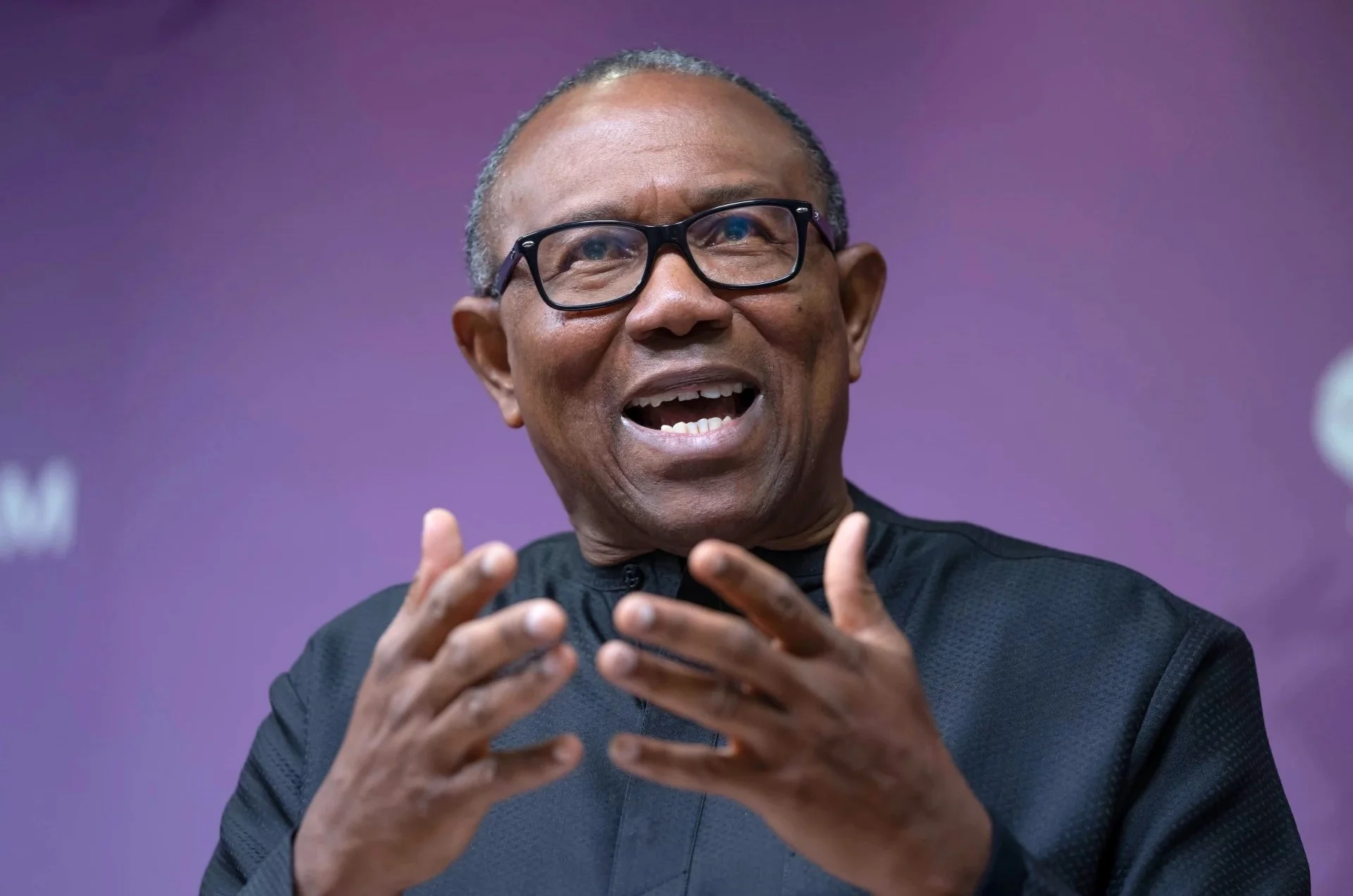
Peter Obi Urges Prosecution of Guilty Officials Over Certificate Forgery Scandal
Peter Obi, the Labour Party’s 2023 presidential candidate, has condemned the growing trend of certificate forgery among public officials, warning that it risks entrenching criminality in Nigeria’s governance system. His comments followed a recent media investigation revealing that Uche Nnaji, Minister of Science, Technology and Innovation, allegedly presented a forged degree certificate.
According to the report, the University of Nigeria, Nsukka (UNN) disowned the Bachelor of Science degree purportedly held by Nnaji, stating he never completed his studies nor was he awarded any certificate by the institution. Court documents cited in the report also revealed that Nnaji himself admitted the certificate was never issued by UNN, leading him to sue the Minister of Education, the National Universities Commission (NUC), and top officials at the university.
In a statement released on Monday, Obi said that when public officials, who should be role models, are instead linked to dishonesty and forgery, it deeply undermines national values and sends dangerous signals to the younger generation.
He cited a conversation with Indonesia’s electoral commission, where any form of certificate forgery leads to immediate disqualification and prosecution. He contrasted this with Nigeria, where, despite similar laws, institutions like the Independent National Electoral Commission (INEC) fail to adequately vet or investigate credentials before and even after elections.
“In Nigeria,” Obi said, “INEC overlooks certificate complaints, and when such issues are raised post-election, the courts often dismiss them as ‘pre-election matters,’ avoiding the criminal implications entirely.”
He also criticized how individuals with forged documents manage to pass through layers of scrutiny, including security clearance, parliamentary approval, and administrative vetting. Even more troubling, he said, is that many of them submit sworn affidavits in court falsely attesting to the authenticity of their credentials.
Looking ahead to the 2027 general elections, Obi proposed reforms to address these lapses. He recommended that all political aspirants submit their academic qualifications to INEC immediately after party primaries—at least six months before elections. These documents should include details of schools attended, courses studied, and study periods, and must be made public for a 90-day verification window.
He emphasized that this process must also apply to appointed officials, such as ministers and presidential aides, arguing that integrity at the highest levels of government is critical to setting the tone for the rest of society.
“Criminal acts like forgery must not be treated as mere technicalities,” Obi stressed. “We must break the cycle where dishonesty and deceit are rewarded with public office. Real leadership must be rooted in truth and accountability.”
#UTVAfrica#