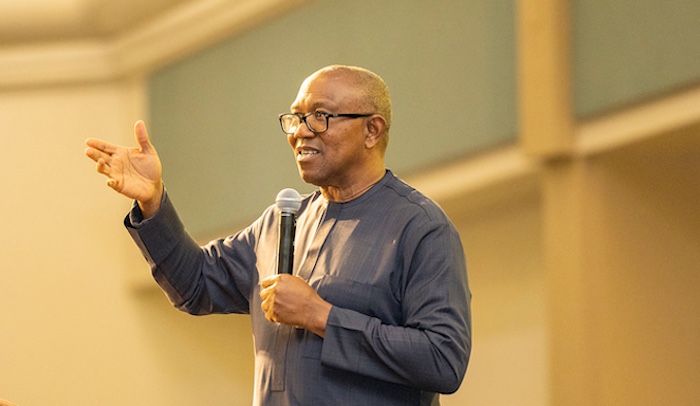
Obi Criticises FG's Education Reforms, Says Weak Leadership Behind Sector's Decline
Peter Obi has criticised the Federal Government's handling of Nigeria's education sector, arguing that poor leadership and inadequate investment—not the structure separating junior and senior secondary schools—are responsible for the country's declining educational outcomes. In a post on his X account on Friday, Obi reacted to the Federal Government's decision to phase out the policy separating Junior Secondary School (JSS) from Senior Secondary School (SSS), following the Education Ministry's admission that the system had failed to improve learning outcomes. According to Obi, the policy itself was not the problem but its poor implementation, inadequate funding and lack of sustained commitment by successive governments. He cited recent examination results, noting that only 38.32 per cent of candidates passed both English Language and Mathematics in the 2024 West African Senior School Certificate Examination, while about 32 per cent reportedly passed the computer-based WASSCE in 2025. The former Anambra State governor described the figures as evidence of a deeper crisis in Nigeria's education system, warning that the country cannot achieve meaningful economic growth without prioritising education, healthcare and job creation. Obi also criticised the Federal Government's education budget, noting that the. sector received ₦3.52 trillion in the 2026 Appropriation Act—about 6.17 per cent of total spending—which he said falls significantly below UNESCO's recommended benchmark of 15 to 20 per cent. He further expressed concern over reports that Nigeria was unable to sponsor students to international science competitions due to funding constraints, arguing that such decisions undermine the country's future while resources are spent on less critical engagements. Highlighting his tenure as governor of Anambra State, Obi said sustained investment in school infrastructure, technology, internet connectivity and learning materials helped improve educational standards, adding that the state's laptop programme for students received recognition from HP Africa.
He urged the Federal Government to make education a national priority, insisting that long-term investment in human capital remains essential for sustainable development. Obi's remarks follow the announcement by Minister of Education, Dr. Tunji Alausa, that the Federal Government would discontinue the policy separating junior and senior secondary schools after government data showed that more than 20 million pupils dropped out before reaching senior secondary level. The minister attributed the decision to persistent infrastructure gaps, overcrowded junior secondary schools and rising dropout rates, saying the reforms are intended to improve access and learning outcomes nationwide.
#UTVAfrica#