Obasanjo, Diri Demand Increase in 13% Oil Derivation
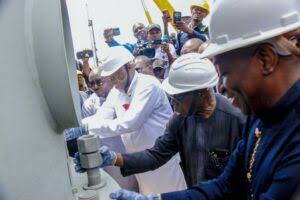
Former President Olusegun Obasanjo and Bayelsa State Governor Douye Diri have called for an increase in the 13 per cent derivation allocation to oil-producing states, arguing that the current arrangement does not adequately benefit the Niger Delta. They made the call on Monday during the inauguration of the Crude Distillation Unit of the $1bn Azikel Refinery in Obunagha, Yenagoa Local Government Area. Diri said oil-producing communities continued to bear the environmental and social costs of crude oil extraction without commensurate benefits, describing the existing resource-control framework and the Land Use Act as unfair. He urged the Federal Government to allow oil-producing states greater participation in decisions concerning their natural resources, insisting that 13 per cent was insufficient. The governor described the refinery as a significant step towards expanding the region’s participation in petroleum processing and industrial development, while urging youths to acquire technical skills to benefit from future employment opportunities. He also called on oil companies operating in the Gbarain-Obunagha area to rehabilitate the road leading to the facility.
Obasanjo backed the call for a higher derivation allocation, describing the current 13 per cent as a starting point for further discussions. He also challenged the Azikel Group President, Dr Azibapu Eruani, to complete the refinery within 12 months, expressing hope that it would become operational before his 90th birthday in March 2027. Obasanjo commended Eruani for his investment and entrepreneurial vision, as well as Governor Diri for supporting the project. Eruani said the refinery was conceived to transform the Niger Delta from a crude oil-producing and exporting region into a centre for refining and industrial development. Owned by Azikel Petroleum, a subsidiary of Azikel Group, the facility is designed to produce 2.5 million litres of petrol and two million litres of diesel daily, alongside other refined petroleum products. When completed and operational, it is expected to expand domestic refining capacity, create jobs, stimulate supporting businesses and boost local value addition. The project has received financial support from the African Finance Corporation and the African Export-Import Bank.
#UTVAfrica#