Nigeria’s Economic Woes Linked to Poor Political Choices, Governor Otti Warns
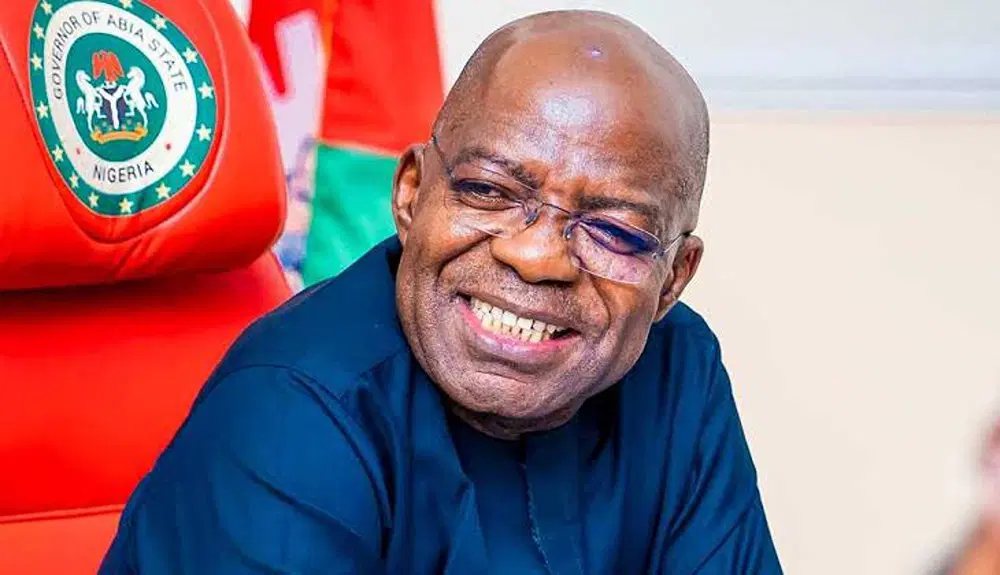
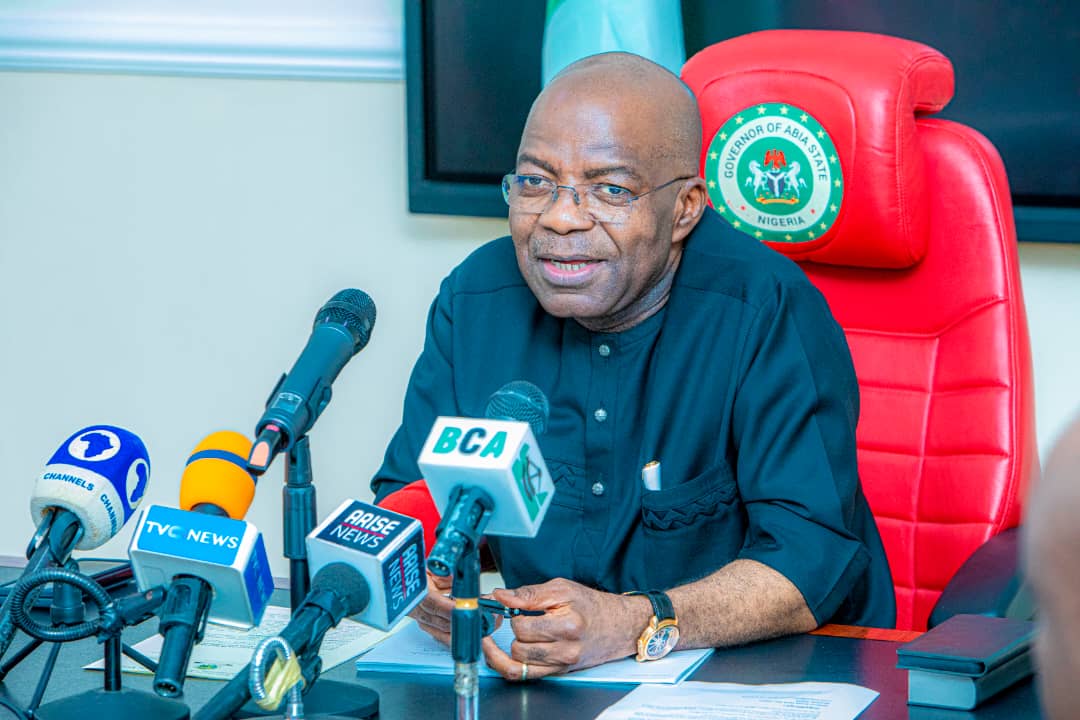
Abia State Governor, Dr. Alex Otti, has asserted that Nigeria’s persistent economic challenges are the result of repeated poor political decisions rather than a lack of natural or human resources. Speaking in Lagos at the 2026 Annual Lecture of *The Niche* newspaper, Otti argued that nations outperforming Nigeria are not necessarily better endowed but are characterized by their ability to "consistently make better political choices."
Addressing the theme “Governing the Economy: Choices, Trade-Offs and National Priorities,” the Governor cautioned that the country’s structural issues cannot be resolved through quick fixes. He emphasized that decades of policy errors and governance failures require sustained, deliberate correction, noting that there is "no silver bullet" for the nation's economic plight. According to Otti, progress depends on cold, hard facts and a shift away from "vanities or wishful thinking."
Governor Otti placed significant emphasis on the upcoming 2027 general elections, describing them as a defining moment for Nigeria’s long-term development. He warned that the ballot will present a choice between “prudence and rascality,” and that the outcome will influence the country’s trajectory for years to come. He noted that while it will take time to correct 60 years of mismanagement, the global community will not wait indefinitely for Nigeria to reach its potential.
The Governor also linked economic stability directly to civic engagement, warning that voter apathy undermines governance and fuels poverty and unemployment. He argued that democracy is insufficient without active citizen participation, stressing that indifference carries a heavy cost. Furthermore, he pointed out that both domestic and foreign investors view elections as critical signals of a country's future economic direction and institutional health.
The event, chaired by the Emir of Kano, Muhammadu Sanusi II, echoed these sentiments of accountability. The Emir stressed that public service should be treated strictly as a responsibility rather than a source of personal enrichment. He maintained that economic outcomes are driven by disciplined decisions rather than emotions, calling for integrity in public decision-making to ensure national stability.
The lecture drew a high-profile audience, including the Obi of Onitsha, Igwe Nnaemeka Alfred Achebe; NLC President Joe Ajaero; Gen. Ike Nwachukwu (rtd.); and legal luminary Olisa Agbakoba, SAN. The gathering of senior figures from government, civil society, and traditional institutions underscored the urgency of Otti’s call for stronger institutions and investment-driven reforms focused on productivity.
#UTVAfrica#