Nigeria’s 2027 Elections: INEC, Governors and the Battle for Public Trust
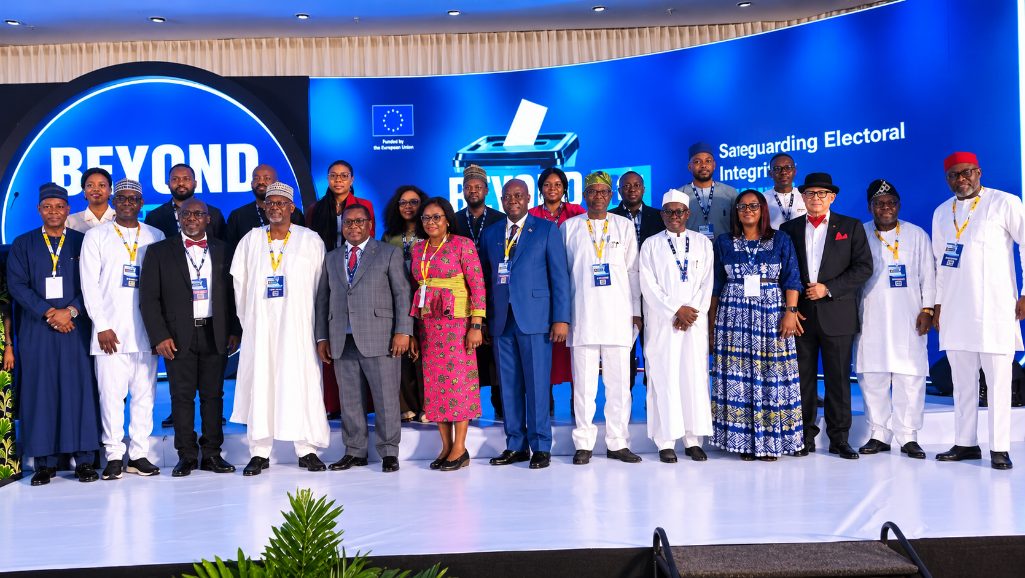
As Nigeria moves towards the 2027 general elections, concerns over the credibility and transparency of the electoral process are intensifying, with the Independent National Electoral Commission (INEC), state governors and other political actors facing increased scrutiny. Fresh questions have emerged following an analysis by election data and technology company Mundx Analytics of the 2023 presidential election results. The organisation examined 103,399 result sheets with readable device metadata and found that 48.8 per cent, representing about 50,432 sheets, were uploaded using devices other than the BVAS machines associated with INEC. The analysis identified devices from brands including Infinix, Tecno and Samsung. Mundx, however, stated that the findings do not prove that votes were altered or that unlawful activity took place. The findings have nevertheless raised questions about the chain of custody and transparency of result uploads. Political influence at the state level has also become a major part of the debate. FCT Minister Nyesom Wike recently discussed the role of the G5 governors during the 2023 presidential election, saying the group deliberately allowed Labour Party candidate Peter Obi to win in Edo and Cross River while preventing him from winning Rivers State because of the political implications. His comments have renewed concerns about the influence of political structures on electoral outcomes.
INEC’s finances have equally attracted scrutiny. The commission has proposed N873.78 billion for the 2027 elections, alongside N171 billion for its 2026 operations. Meanwhile, SERAP has asked INEC to account for more than N126.46 billion in electoral funds it said were allegedly diverted, lost, mismanaged or otherwise unaccounted for, citing Auditor-General findings. SERAP also referenced an alleged N112.15 billion payment for electoral materials without competitive bidding. The allegations remain subject to clarification and accountability processes. With disputes from the 2023 elections still shaping public debate, the judiciary is also expected to play a significant role in 2027. Issues including BVAS failures, delays in result transmission, voter intimidation and vote buying have further underscored the need for stronger safeguards. As the 2027 elections approach, INEC’s ability to address these concerns, strengthen transparency and build public confidence will remain central to the credibility of the electoral process.
#UTVAfrica#