Nigerians Now Legally Entitled to Compulsory Health Insurance: Falana
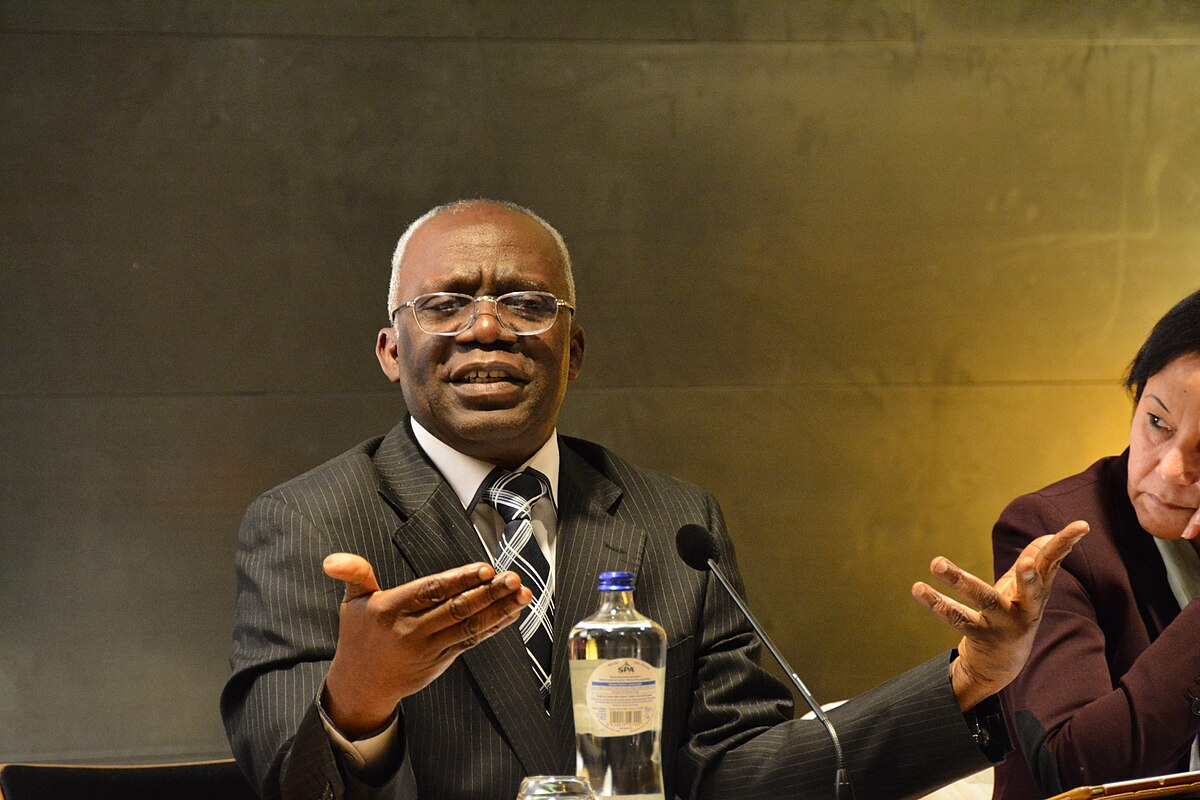
Renowned human rights lawyer, Femi Falana (SAN), has asserted that all Nigerians are now legally entitled to mandatory health insurance, following the enactment of the National Health Insurance Authority (NHIA) Act of 2022.
In a statement released to The PUNCH on Friday, Falana explained that the new law repeals the National Health Insurance Scheme (NHIS) Act of 2004, which he said failed to achieve adequate population coverage or unify Nigeria’s fragmented health insurance landscape.
He described the NHIA Act as a transformative policy and legal framework aimed at making universal health coverage a reality for all Nigerians. The Act, he said, guarantees a Basic Minimum Package of Care for every citizen and establishes a Vulnerable Group Fund to subsidise healthcare for low-income individuals, the elderly, children under five, and those with physical or mental disabilities.
Falana also highlighted that the Act mandates all state governments to establish their own health insurance schemes or partner with third-party administrators until they are operational.
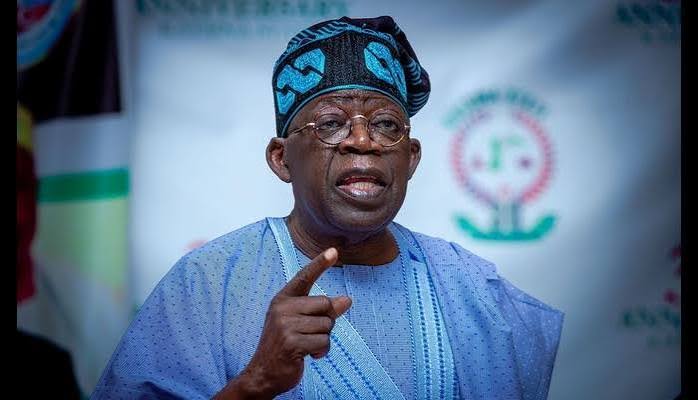
“As part of the implementation process, President Bola Tinubu, on September 3, 2025, directed all Ministries, Departments, and Agencies (MDAs) to enrol their staff in the NHIA scheme,” he stated.
He added that to enforce this, MDAs and other entities involved in public procurement must now present a valid Health Insurance Certificate issued by the NHIA. The directive also empowers the Secretary to the Government of the Federation to oversee enforcement and monitor compliance — a move Falana said could significantly expand health insurance coverage across the public sector.
Further citing the NHIA Act, Falana said it obligates the federal and state governments — including the Federal Capital Territory — to provide residents with at least a basic package of healthcare, aligning with the Basic Health Care Provision Fund outlined in the National Health Act of 2014.
He explained that each state’s health insurance scheme will manage and monitor the fund, while states yet to establish such schemes can temporarily rely on third-party administrators.
“The NHIA Act’s core objective is to ensure that all Nigerians and legal residents have access to affordable, quality, and comprehensive healthcare services through compulsory insurance,” he emphasized.
According to Falana, the law also introduces a comprehensive framework for the regulation, supervision, and promotion of both public and private health insurance schemes nationwide.
Despite the legal backing, Falana noted that access to health insurance remains dismally low. Quoting the Health Care Providers Association of Nigeria, he lamented that over 90% of Nigerians still lack any form of health coverage, largely due to widespread poverty.
He referenced Section 25 of the NHIA Act, which mandates the government to fully fund health insurance for the vulnerable, and Section 31, which requires formal employees to contribute to the scheme. The law defines vulnerable groups as “children under five, pregnant women, the elderly, physically and mentally challenged individuals, and the indigent.”
Falana called on all levels of government to adequately fund health insurance for citizens, stating that most Nigerians now fall under the category of the vulnerable due to increasing poverty levels.
He added that this demand aligns with constitutional and international obligations — including Section 17(3)(d) of the Nigerian Constitution, which tasks the government with providing adequate healthcare for all, and Article 16 of the African Charter on Human and Peoples’ Rights, which guarantees the right to the highest attainable standard of physical and mental health.
PUNCH Online had earlier reported on September 25, 2025, that President Tinubu’s directive enforcing the NHIA Act across MDAs has been widely applauded as a critical step in reforming the nation’s healthcare system. The directive also includes the creation of a digital verification system to improve transparency and prevent certificate forgery.
#UTVAfrica#