Nigeria Records $4.5 Billion Annual Vehicle Import Bill; Stakeholders Urge Local Production
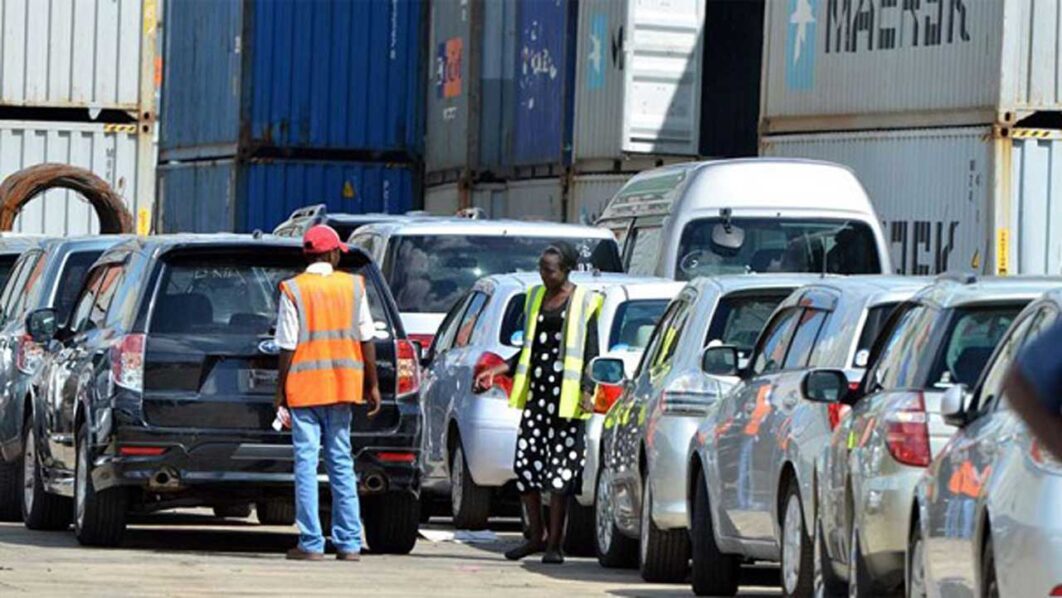
ABUJA — Nigeria currently spends an estimated $4.5 billion annually on the importation of vehicles, according to Chibedu Oguegbu, the Managing Director of Omma Automotive Company. This figure was disclosed during a one-day capacity-building workshop for the House of Representatives Press Corps, where Oguegbu highlighted the critical need for a more robust domestic automotive policy.
Speaking on the theme "Strengthening Sectoral Policy Communication and Legislative Reporting on Nigeria’s Automotive Industry Development," Oguegbu delivered a paper titled Auto Policy Framework and Investment Opportunities in Nigeria’s Automotive Industry. He argued that while Nigeria remains the largest automotive market on the continent, its domestic industry currently contributes only 0.4% to the national GDP—a figure he believes could rise to 12% with proper policy consistency and funding.
Oguegbu pointed to Morocco and China as benchmarks for Nigeria’s potential growth. He noted that Morocco has successfully transitioned into Africa’s leading automobile manufacturer, producing 700,000 vehicles annually with a valuation of $17 billion. Meanwhile, China has capitalized on over 70 years of consistent industrial policy to lead the global electric vehicle (EV) market, currently valued at approximately $231 billion.
The automotive expert emphasized that localizing just 30% of production would save Nigeria roughly $1.35 billion annually and create upwards of 150,000 jobs. He further highlighted the economic advantages of Compressed Natural Gas (CNG) technology, which he claimed could reduce fuel costs for commercial operators by 60-70%.
In his closing remarks, Oguegbu called on the National Assembly to prioritize the passage of the Automotive Industry Bill. This legislation is intended to provide legal backing to the National Automotive Industry Development Policy (NAIDP) 2023-2033 and establish an Automotive Development Fund, ensuring long-term stability and investor confidence in the sector.
#UTVAfrica#