Nigeria on High Alert as Ebola Outbreak Emerges in DRC
The Nigeria Centre for Disease Control and Prevention (NCDC) has reassured the public that there are currently no confirmed cases of Ebola Virus Disease (EVD) in the country, despite the recent outbreak reported in the Democratic Republic of Congo (DRC).
In a public health advisory issued on Saturday in Abuja, the NCDC Director-General, Dr. Jide Idris, stated that Nigeria is on heightened alert. Surveillance efforts have been intensified at points of entry, healthcare facilities, and within communities to prevent the importation and spread of the virus.
Nigeria previously experienced an Ebola outbreak in 2014, when a Liberian traveler brought the virus into the country. That outbreak resulted in 20 cases and eight deaths before it was successfully contained.
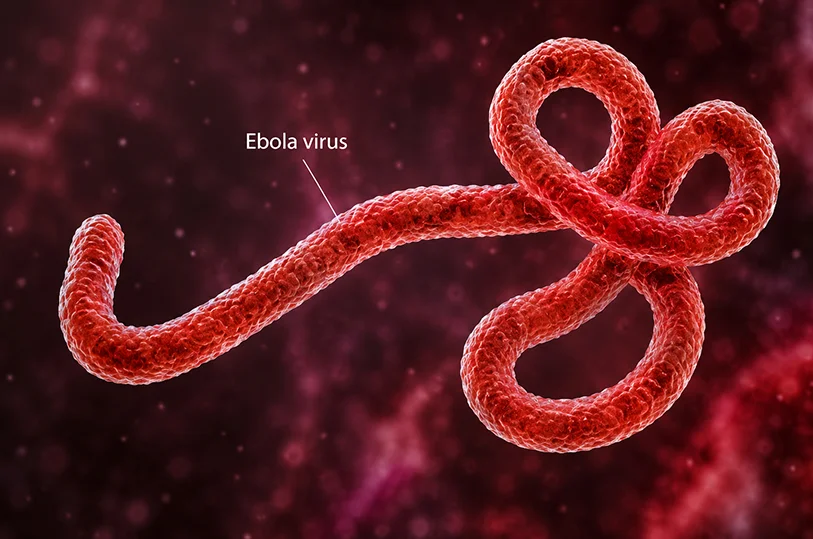
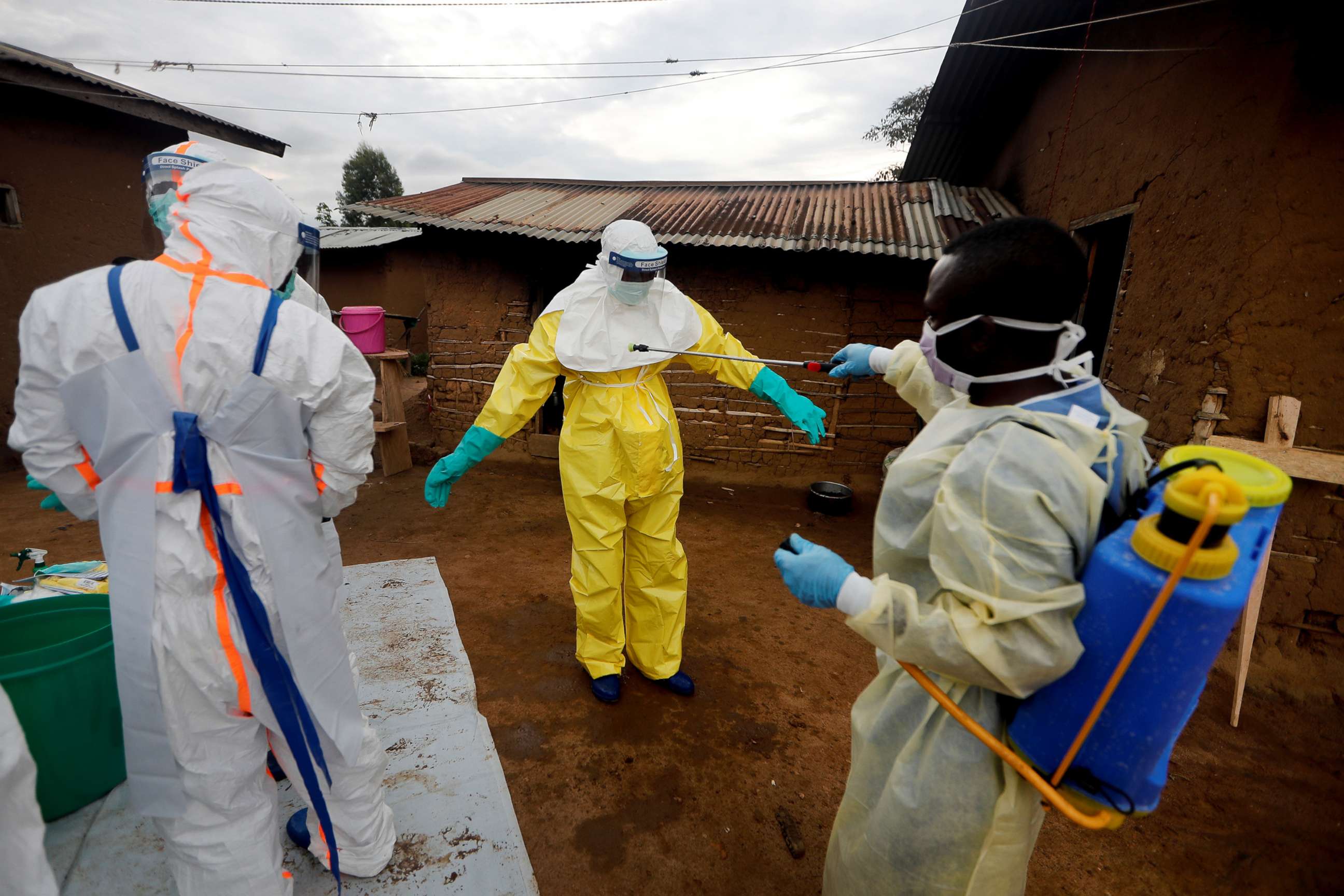
According to the DRC’s Ministry of Health, 28 suspected Ebola cases and 15 deaths have been reported as of September 4 in Kasai Province. Four of the victims were healthcare workers. The outbreak, which involves the Ebola Zaire strain, has spread across Bulape and Mweka health zones and is associated with a concerning 57% mortality rate.
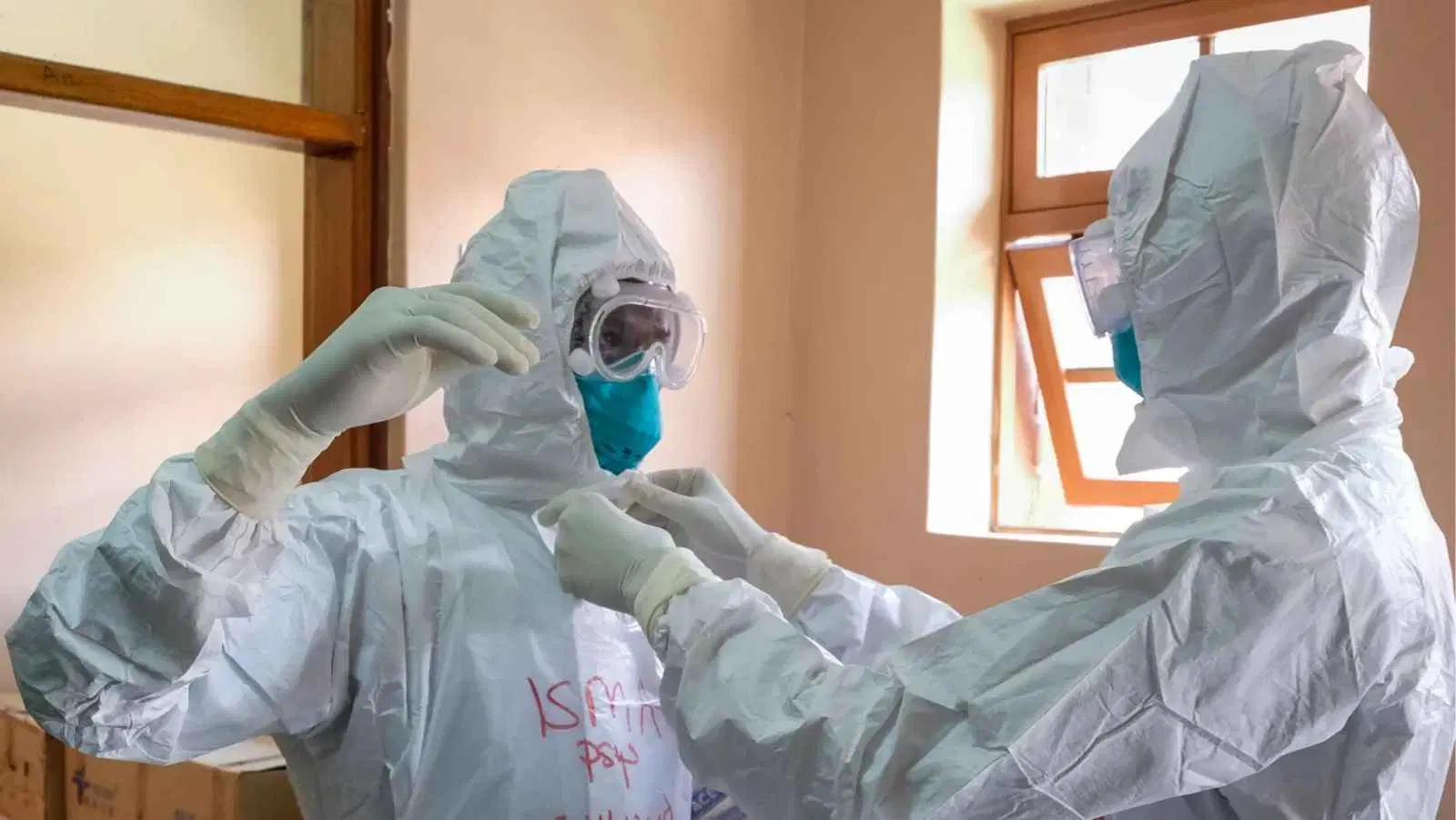
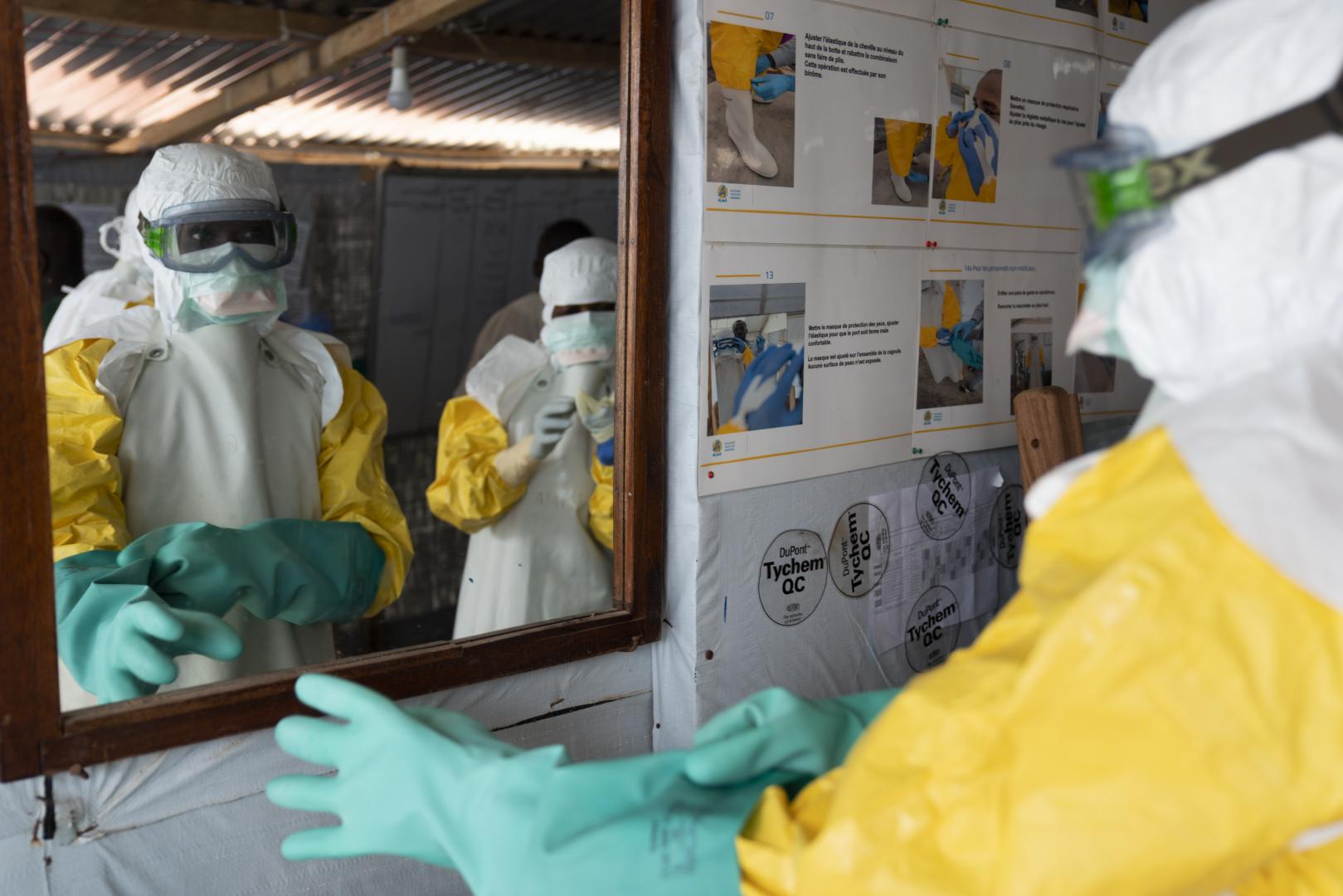
Dr. Idris emphasized that while no Ebola cases have been detected in Nigeria, proactive measures have been taken. These include enhanced infection prevention protocols, rigorous border screenings, and community engagement to improve awareness and early detection.
The DRC has activated its Public Health Emergency Operations Centre and deployed a rapid response team, with support from the World Health Organization (WHO), to help contain the outbreak.
Idris noted that the identified Ebola Zaire strain can be controlled using the Ervebo vaccine, which has been shown to protect at-risk populations and curb the spread of the virus.
As part of preventive efforts, the public is advised to practice frequent handwashing with soap and water, avoid contact with individuals showing symptoms such as fever, vomiting, or unexplained bleeding, and to seek immediate medical attention if such symptoms are observed.
He also warned against consuming raw or undercooked bushmeat and advised the public to avoid contact with wildlife known to carry the virus, such as fruit bats, monkeys, and apes.
Nigerians are urged to report any suspected Ebola cases or unusual illnesses—especially among recent travelers to affected areas—by calling the NCDC’s toll-free line, 6232.
Healthcare workers are reminded to remain vigilant, adhere strictly to infection control protocols, and report suspected cases promptly to ensure swift containment.
Dr. Idris also issued a travel advisory, recommending Nigerians avoid all non-essential travel to countries currently facing Ebola outbreaks to minimize exposure risks.
He assured citizens that the NCDC will continue to provide regular updates and is working closely with international partners to monitor developments in the DRC and other potentially affected regions.
#UTVAfrica#