Nepal Lifts Social Media Ban Following Deadly Anti-Corruption Protests
UTVAfrica News | Kathmandu, Nepal – The Nepalese government has lifted its controversial social media ban following widespread anti-corruption protests that turned deadly, claiming at least 19 lives.
The unrest erupted after the government moved to block 26 major social media platforms, including Facebook, Instagram, and YouTube, citing concerns over fake news, hate speech, and online scams. However, critics say the real motive was to suppress growing public anger over corruption and government excesses.
The protests were largely driven by young people inspired by a viral “nepo kid” campaign that highlighted the lavish lifestyles of politicians’ children and alleged misuse of public funds. The movement quickly gained traction online before the platforms were abruptly banned last week for failing to register with Nepal’s Ministry of Communication and Information Technology.
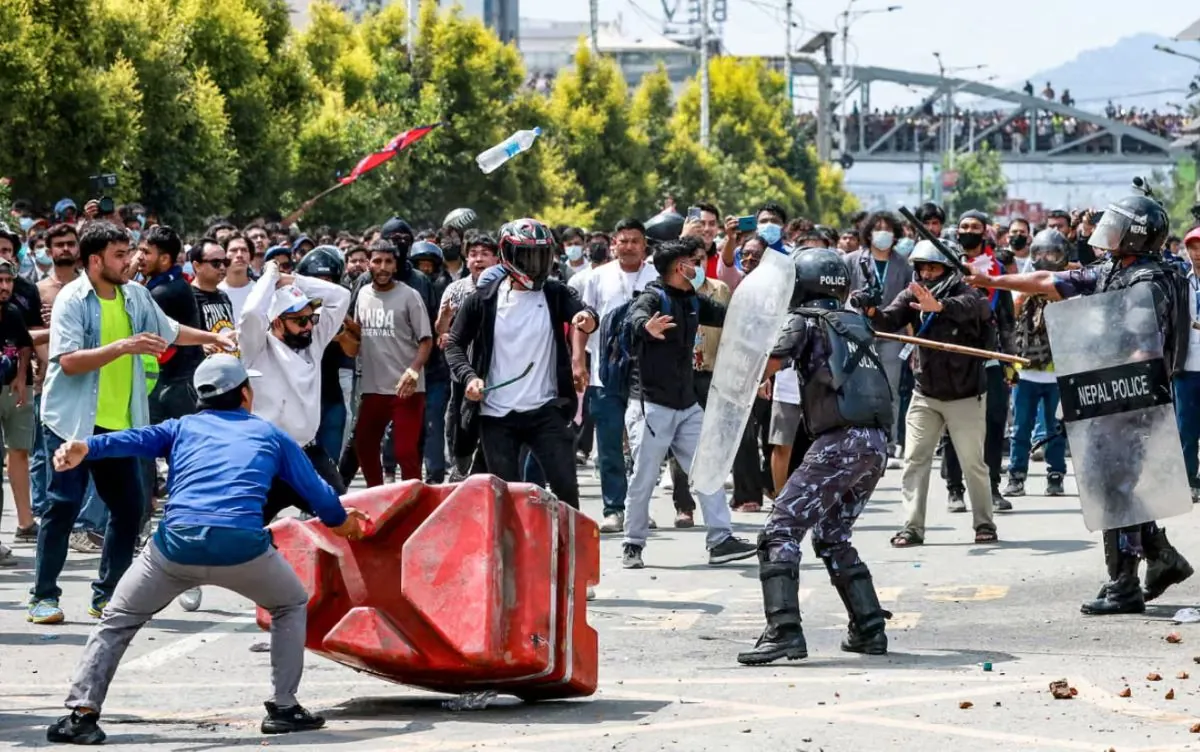
Outraged by the ban, thousands of young demonstrators took to the streets on Monday, storming parliament in the capital, Kathmandu. Protests also spread to other districts, prompting authorities to impose curfews. Police responded with force, deploying water cannons, rubber bullets, and batons in an attempt to disperse crowds.
Some protesters reportedly threw stones at the private residence of Prime Minister KP Sharma Oli in his hometown of Damak. Protesters carried placards with messages like “Enough is enough” and “End corruption.”
One protester, Sabana Budathoki, told the BBC that the ban was only the final trigger for much deeper grievances. “This isn’t just about social media. People are tired of the corruption. We want our country back,” she said.
Following an emergency meeting late Monday night, the government reversed the ban in an effort to defuse the growing unrest. A senior government minister said the decision was made "to address the demands of Gen Z" and calm tensions across the nation.
Prime Minister Oli expressed sorrow over the loss of life, blaming the violence on “infiltration by various vested interest groups.” He announced plans to establish an independent panel to investigate the protests and pledged financial compensation for the families of those killed, as well as free medical treatment for the injured.
Nepal’s Home Minister, Ramesh Lekhak, resigned on Monday evening amid mounting criticism over the government’s heavy-handed response to the protests.
Social media platforms remain a vital part of daily life for millions of Nepalese, who rely on them for news, entertainment, and business. The ban's removal marks a major victory for youth-led civil activism in the country.