Nationwide Security Drive Deepens as States Deploy Forest Guards
As insecurity continues to challenge communities across Nigeria, several states have intensified efforts to deploy forest guards and strengthen surveillance across forests and rural communities under a growing national security initiative.
The renewed focus on forest security follows recent directives by President Bola Tinubu supporting expanded recruitment of forest guards after a series of attacks, kidnappings and banditry incidents in several states.
Across different regions, state governments have adopted varying strategies to improve security architecture, with some launching large-scale recruitment exercises while others continue to rely on existing local security structures.
Kebbi State has already deployed 819 newly trained forest guards following weeks of specialised training aimed at improving surveillance in forest reserves and remote communities. State officials said the personnel would help prevent criminal groups from using forest corridors as operational bases.
Similarly, Gombe State confirmed that hundreds of recruits are currently undergoing security training as part of plans to establish a stronger forest protection framework. The state government disclosed that significant funding had already been committed to the programme.
In Kwara State, authorities expanded the initiative by increasing the number of operatives assigned to forest and rural security operations. Officials said the additional personnel would work closely with conventional security agencies and local vigilante groups.
Kaduna State has also commenced training for 1,000 recruits drawn largely from communities affected by banditry and kidnappings. State officials explained that deploying locally recruited operatives familiar with the terrain could improve intelligence gathering and early warning systems.
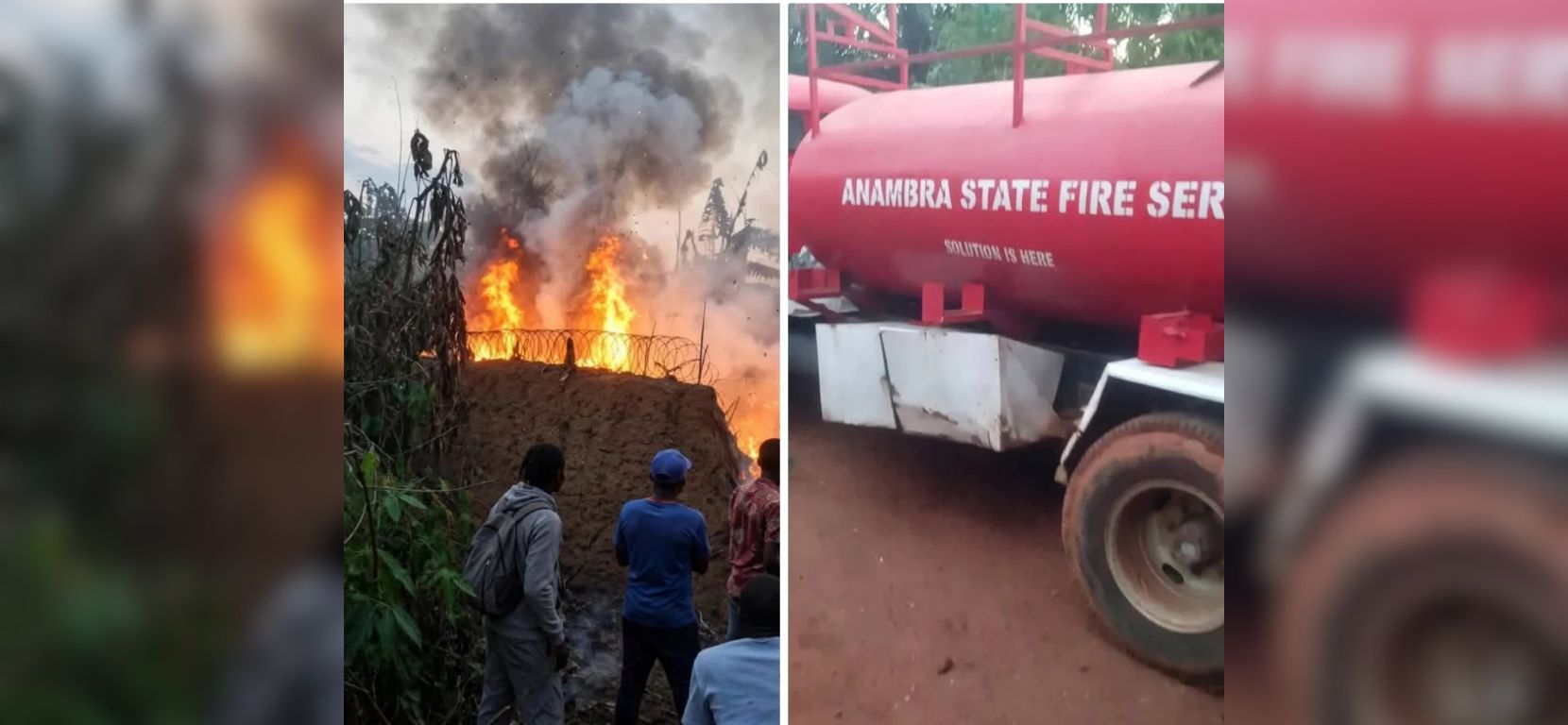
Katsina, Kano, Edo, Imo, Bayelsa and Anambra states have equally taken steps to strengthen forest security through recruitment, deployment and collaboration with local security networks.
While some states are embracing the initiative, others remain cautious.
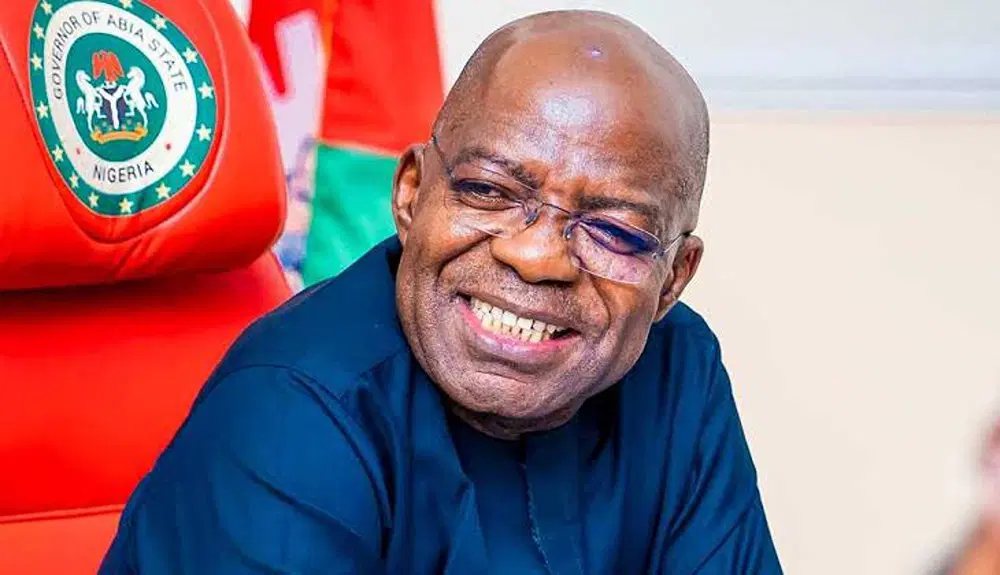
Ondo State said it would continue relying on its existing regional security outfit rather than creating a separate forest guard structure, while states including Zamfara, Rivers, Abia and Lagos are yet to fully commence implementation.
Security experts, however, have urged caution over the operational role of forest guards.
Some analysts warned that while forest guards can support intelligence gathering, surveillance and community engagement, frontline combat operations should remain the responsibility of conventional security agencies.
Despite differing approaches, the broader objective remains improving security in remote communities increasingly affected by banditry, terrorism, kidnappings and attacks on farming populations.
Speaking during activities marking the country’s Democracy Day celebrations, President Tinubu reiterated his administration’s commitment to combating insecurity and protecting citizens.
The President assured Nigerians that security agencies would continue receiving support to strengthen operations, rescue abducted persons and improve safety nationwide.
With political activities gradually building ahead of the 2027 elections, security stakeholders believe strengthening community-based security structures could become increasingly important in addressing threats across vulnerable regions.
#UTVAfrica#