Naira slips to 1,385 per dollar as middle east tensions shake market
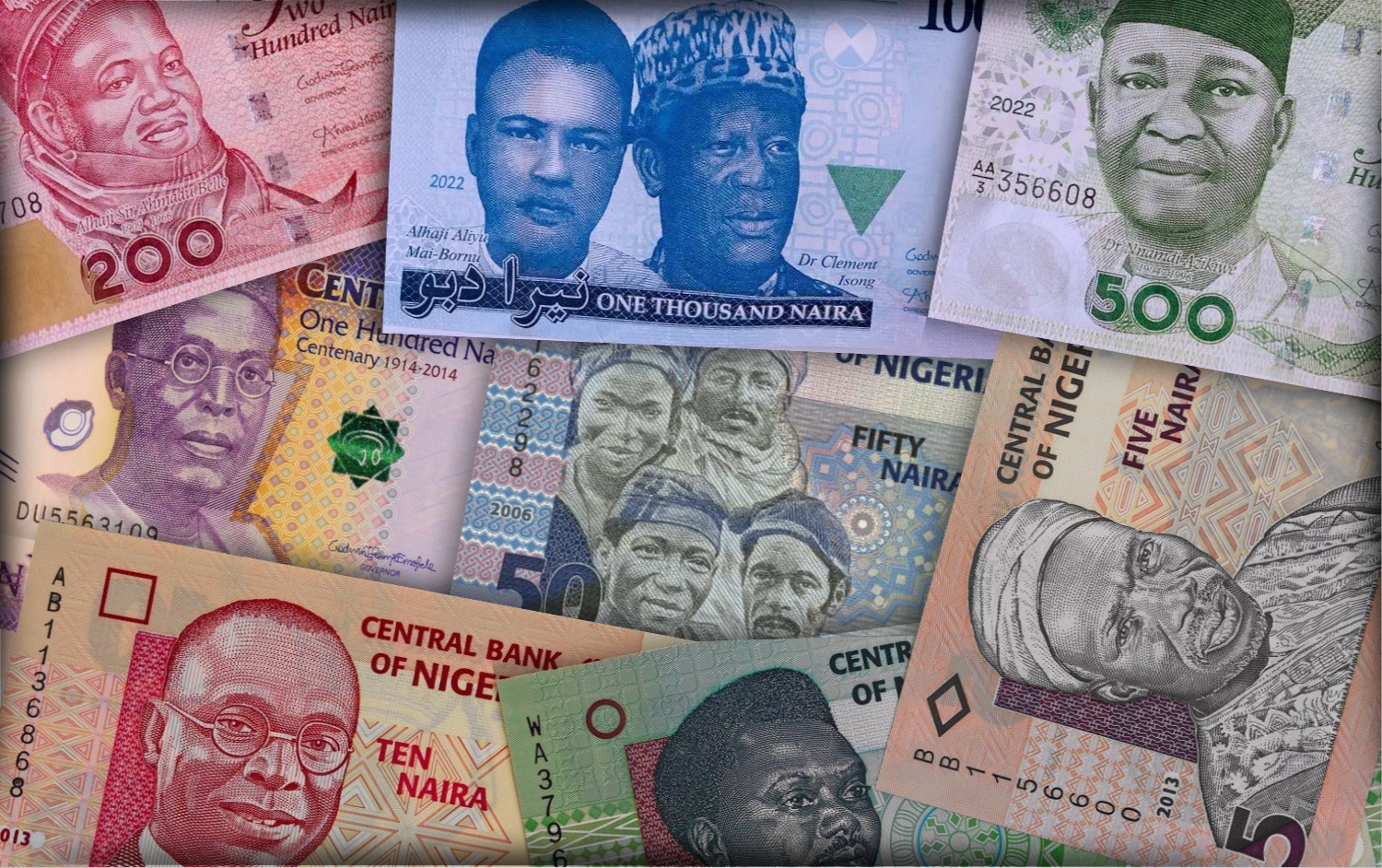
Nigeria’s currency has weakened in the foreign exchange market, with the naira sliding to N1,385 against the US dollar amid escalating geopolitical tensions in the Middle East.
The local unit, which had shown relative stability around N1,360 in recent weeks, has depreciated by about 0.3 per cent over the past two weeks, reflecting growing pressure from global market volatility.
Despite Nigeria’s status as a major crude oil exporter offering some cushion, the domestic economy is beginning to feel the strain of sharp swings in global energy prices. Brent crude surged past $103 per barrel, driven by fears of supply disruptions linked to attacks on energy infrastructure and concerns over shipping routes through the Strait of Hormuz.
The impact is already visible at home, with petrol prices rising by more than 30 per cent following the renewed conflict. Analysts warn that higher transportation and energy costs could soon feed into broader consumer prices, potentially reversing recent gains in inflation control.
Nigeria’s inflation rate had eased slightly to 15.06 per cent in February, but experts caution that fresh external shocks may complicate efforts by the Central Bank of Nigeria to stabilise prices.
Market analysts at ForexTime Limited noted that rising global uncertainty could force central banks worldwide to reconsider their monetary policy outlook for 2026.
Efforts to calm oil markets, including a record 400 million-barrel release by the International Energy Agency and a temporary US waiver on Russian oil purchases, have done little to ease price pressures, with crude still trading in triple digits.
Globally, central banks are already reacting. The Reserve Bank of Australia has raised interest rates for a second straight meeting, while investors closely watch decisions from the Federal Reserve, European Central Bank, and Bank of England.
For Nigeria, the immediate concern is policy direction. The naira’s decline and rising fuel costs may push the central bank to maintain or even tighten its stance, rather than ease interest rates, as authorities brace for inflationary pressures triggered by the global crisis.
#UTVAfrica#