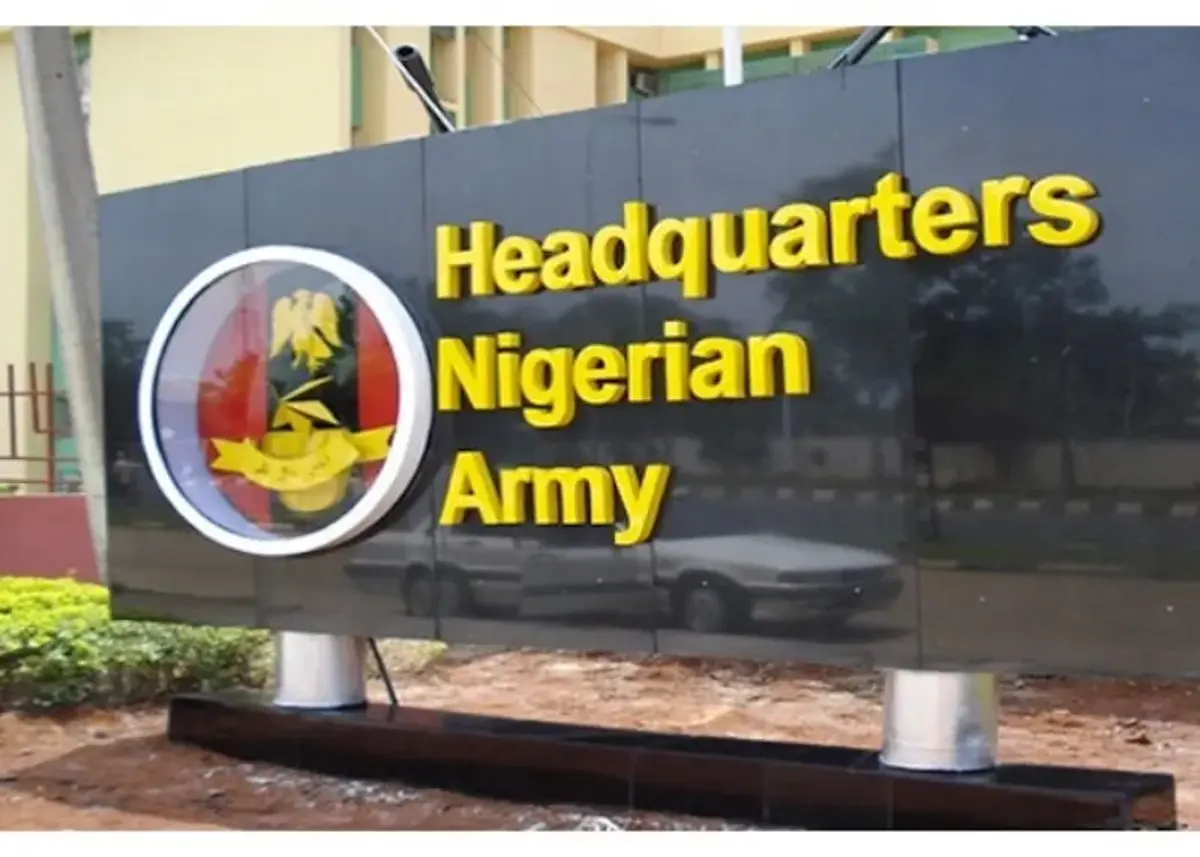
Military Investigation Concludes as Defence Headquarters Moves to Arraign Alleged Coup Plotters
The Defence Headquarters has announced the conclusion of investigations into alleged misconduct involving some military officers, confirming that those indicted will soon be arraigned before appropriate military judicial panels.
In a statement on Monday, the Director of Defence Information, Major General Samaila Uba, said the probe—launched after the arrest of 16 officers in October 2025 for acts of indiscipline and breaches of service regulations—had been completed in line with established military procedures, and its report forwarded to the appropriate superior authority.
According to Uba, the investigation uncovered allegations that some of the affected officers plotted to overthrow the government, conduct he described as incompatible with the ethics, values, and professional standards of the Armed Forces of Nigeria.
“Those with cases to answer will be formally arraigned before the appropriate military judicial panels in accordance with the Armed Forces Act and other relevant service regulations. This will ensure accountability while upholding fairness and due process,” he said.
He stressed that the action is purely disciplinary and part of institutional efforts to preserve order, discipline, and operational effectiveness within the military, adding that the Armed Forces remain committed to professionalism, loyalty, and respect for constitutional authority.
The development follows earlier reports by Sahara Reporters alleging that officers ranging from Captain to Brigadier General were arrested for holding secret meetings to destabilise the government, claims which were initially dismissed by the then Director of Defence Information as an internal disciplinary matter pending investigation.
Security sources familiar with the case also said President Bola Tinubu has expressed confidence in the military’s ability to handle the matter, even as a pro-democracy group appealed to the Federal Government to consider the health and welfare of detained officers.
Benita Ibrahim