Médecins Sans Frontières (MSF) Treats Over 3,200 Malnourished Children in Borno Amid Measles Outbreak
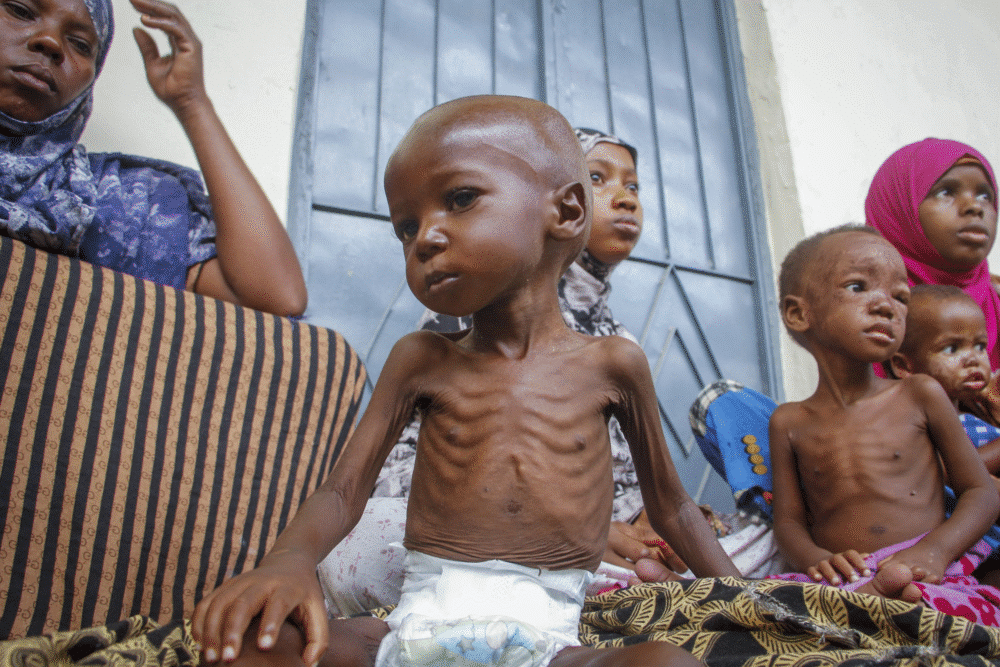
Médecins Sans Frontières (MSF), also known as Doctors Without Borders, has announced that it has treated 3,265 malnourished children in Maiduguri, Borno State, since late August, as part of its emergency response to a spike in malnutrition and a concurrent measles outbreak.
In a statement released on Thursday, MSF revealed that the recent surge in malnutrition cases had overwhelmed its supported health facilities in the region. While admissions have slightly declined in recent weeks, the number of children receiving treatment remains alarmingly high.
The crisis is unfolding in the context of Nigeria’s ongoing humanitarian emergency in the northeast, driven by prolonged conflict and widespread food insecurity in the BAY states (Borno, Adamawa, Yobe).
According to the March 2025 Cadre Harmonisé report, an estimated 4.6 million people are expected to face crisis or emergency levels of food insecurity during the peak lean season (June–September). The United Nations Office for the Coordination of Humanitarian Affairs (UNOCHA) also warned that conflict, displacement, and limited access to farmland have led to a sharp rise in malnutrition, with projections indicating that 2.6 million children under five will be affected this year — including one million at risk of severe acute malnutrition, double the number recorded in 2024.
MSF Project Coordinator Daniela Batista said, “A month ago, we saw a concerning increase in admissions, made worse by a surge in measles cases. Our measles isolation units filled up quickly, and even the additional spaces we created reached full capacity. These units are still operating at about 70% occupancy.”
To meet rising demand, MSF has significantly expanded its Inpatient Therapeutic Feeding Centre at Nilefa Kiji Hospital, doubling its bed capacity. By mid-September, the facility was recording an average of over 85 new daily admissions for malnutrition.
In Shuwari, an MSF-run extension facility treated 3,265 children for malnutrition and referred another 1,521 for ongoing care between August and early September — the height of the recent upsurge. Additionally, over 625 malnourished children were treated for measles, a disease that both contributes to and is worsened by malnutrition.
MSF noted that the situation has been compounded by critical shortages of medical supplies. There is limited access to therapeutic milk — a key treatment for severe acute malnutrition — and ongoing scarcity of ready-to-use therapeutic food (RUTF). Some partner Inpatient Therapeutic Feeding Centres (ITFCs) have indicated they can only accept referrals if MSF provides additional supplies, including antibiotics, admission kits, and therapeutic milk.
Further complicating the crisis are security and logistical challenges. MSF reported frequent patient referrals from Zabarmari — a community it cannot currently access — and is in talks with the Borno State Ministry of Health to potentially support the local Primary Health Centre to ensure access to care.
“Borno State continues to bear the brunt of over a decade-long insurgency, with fresh violence recently reported in areas surrounding Maiduguri,” the statement added.
The situation in Maiduguri reflects a broader pattern across northern Nigeria, as MSF teams have observed similar surges in malnutrition cases in Kebbi, Sokoto, Kano, Katsina, and Bauchi in recent months.
MSF is calling on government health authorities and humanitarian organisations to urgently address medical supply shortages, improve staffing levels, and strengthen health services at the community level to prevent further deterioration of the humanitarian situation.
#UTVAfrica#