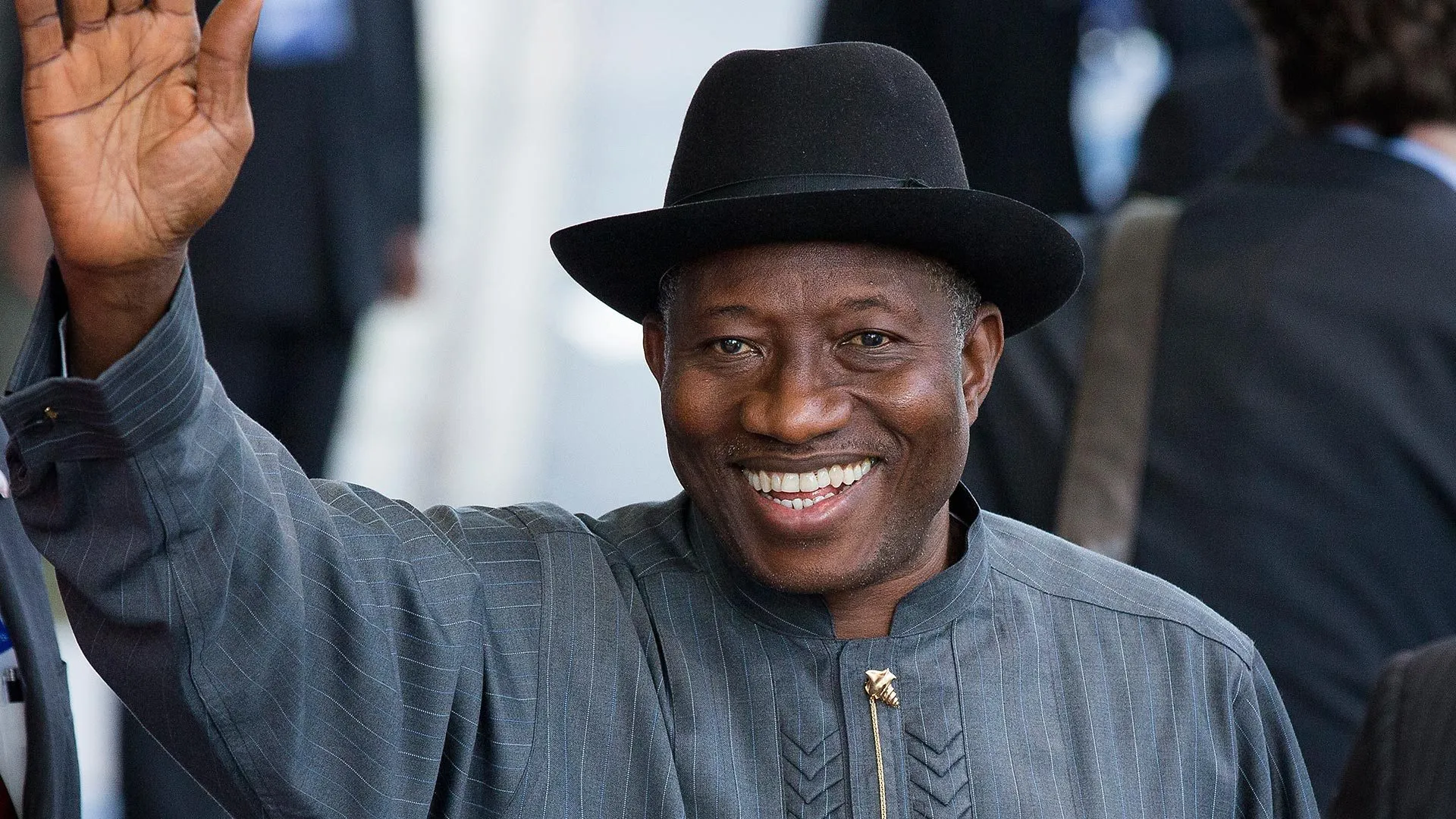
Fresh Court Suit Challenges Goodluck Jonathan's Eligibility for 2027 Presidential Election
A Nigerian lawyer, Johnmary Jideobi, has approached the Federal High Court in Abuja, seeking a judicial interpretation of the Constitution regarding the eligibility of former President Goodluck Jonathan to contest the 2027 presidential election.
In the suit, Jideobi is asking the court to determine whether Jonathan, having previously completed the term of the late President Umaru Musa Yar’Adua and served a full term of his own, is qualified under the 1999 Constitution (as amended) to run for president again. The legal challenge is built around the constitutional limit of two terms for the office of the president, a principle widely viewed as essential to Nigeria’s democratic order.
Jonathan first assumed office in May 2010 following the death of President Yar’Adua, under whom he had served as Vice President. He subsequently contested and won the 2011 presidential election, serving until 2015. The crux of Jideobi’s argument is that by serving part of Yar’Adua’s term and then his own full term, Jonathan may have already reached — or exceeded — the constitutional threshold.
In 2018, the Constitution was amended through the Fourth Alteration to specifically bar anyone who has held the office of president or governor for more than two years in a prior term from contesting for two additional terms. This amendment appears central to the suit and could be a key factor in the court's eventual ruling.
While former President Jonathan has not formally declared his intention to contest in 2027, there has been growing speculation about his potential return to the political stage. Supporters across different political platforms have continued to lobby for his candidacy, citing his experience and leadership style. However, this legal action now casts uncertainty over that possibility.
Jideobi, in his submission, is urging the court to provide clarity not just for Jonathan’s case, but also to offer a definitive constitutional interpretation that could guide future electoral decisions and protect the integrity of Nigeria’s democratic framework.
The outcome of the case is expected to have far-reaching political implications. If the court rules in favor of the plaintiff, it could permanently bar Jonathan from seeking election again, effectively ending any political comeback plans. On the other hand, a ruling in Jonathan’s favor could clear the path for him to contest in 2027 and reignite debates over term limits and constitutional reform.
The Federal High Court is expected to assign a hearing date soon. Given the constitutional significance of the matter, the case could eventually make its way to the Supreme Court for a final determination.
For now, legal observers and political stakeholders are closely watching the case, which could shape the direction of the 2027 presidential race and further define the scope of constitutional term limits in Nigeria.
#UTVAfrica#