FG Allocates Less Than 1% of 2026 Budget to Poverty Alleviation
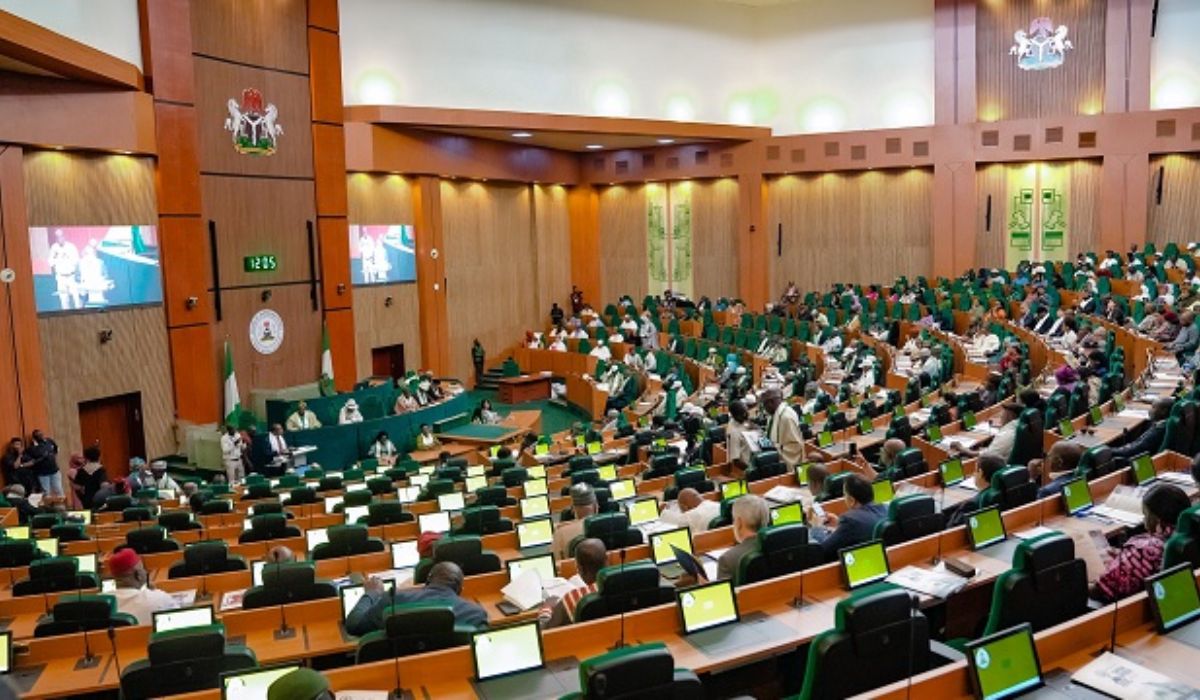
The Federal Government plans to spend just N206.5 billion on poverty-related projects in its 2026 budget, representing only 0.35% of the proposed N58.47 trillion total spending and under 1% of the capital budget.
Most of the allocation comes from the Service Wide Vote, primarily under the National Poverty Reduction with Growth Strategy, including N100 billion for NSIP upscaling and N100 billion for recurrent NPRGS commitments. This leaves only N6.5 billion for poverty interventions across all ministries, departments, and agencies.
Among MDA-level projects, key allocations include N2.87 billion by the Federal Co-operative College, Ibadan, for tricycles and motorcycles, N840 million by the Centre for Management Development for SME empowerment, N700 million by the Board for Technology Business Incubator Centre, Abuja, and N507.5 million by Nigeria Stored Products Research, Ilorin, mainly for food distribution and skills programs. Other projects target food supply, youth and women empowerment, capacity building, and small-scale infrastructure.
Some ministries, like Humanitarian Affairs and Poverty Alleviation, saw their budgets rise sharply from N7.1 billion in 2025 to N23.56 billion in 2026, but much of the increase goes to administrative or capital projects not directly linked to poverty reduction.
Experts warn that Nigeria’s social safety nets remain inefficient. The World Bank reports only 44% of benefits from government programs reach poor Nigerians, with social protection spending at 0.14% of GDP—far below the Sub-Saharan African and global averages.
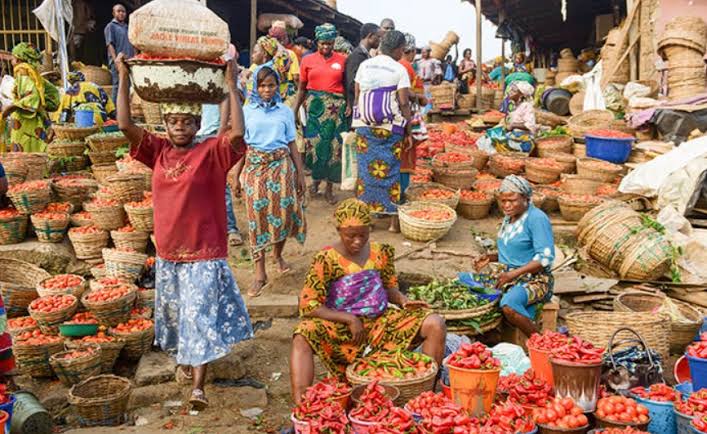
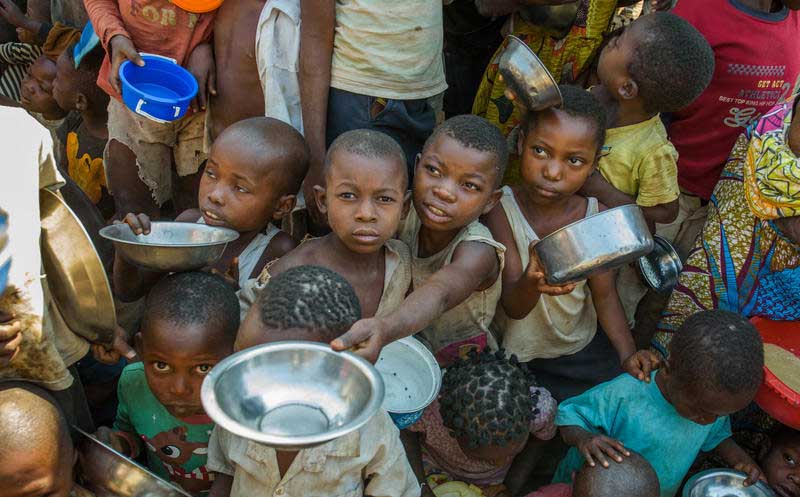
PwC projects Nigeria’s poverty rate could hit 62% by 2026, affecting roughly 141 million people, driven by weak income growth and persistent inflation. The World Bank notes a similar trend, with the number of Nigerians living in poverty rising from 81 million in 2019 to 139 million in 2025. Without targeted interventions like job creation, productivity improvements, and effective social programs, poverty is expected to worsen, threatening domestic consumption, growth, and public finances.
#UTVAfrica#