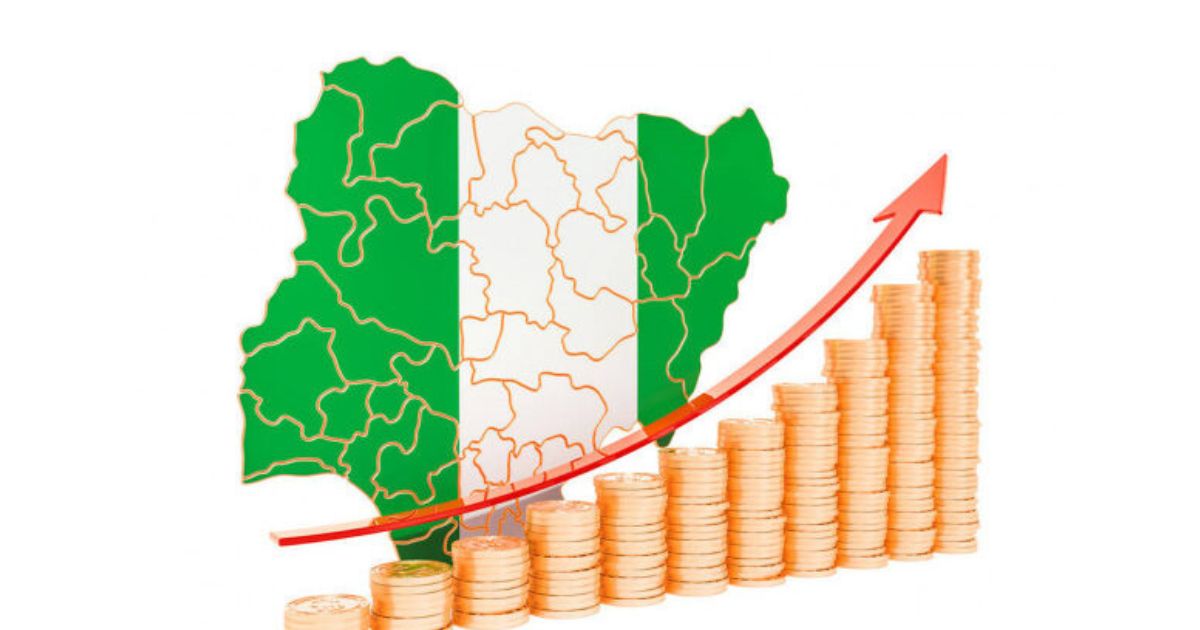
Experts Question Impact of ₦118.8tn Public Revenue on Nigerians’ Welfare
Despite generating an estimated ₦118.8 trillion in revenue between 2023 and May 2026, Nigeria's federal, state and local governments continue to grapple with financial obligations, raising concerns over transparency, accountability and public spending. Figures from the Revenue Mobilisation, Allocation and Fiscal Commission (RMAFC) show that governments received about ₦53.3 trillion through the Federation Account Allocation Committee (FAAC), while internally generated revenue contributed another ₦65.5 trillion. Analysts project total public revenue could reach ₦150 trillion by the end of 2026, excluding loans. The sharp increase follows major economic reforms, including the removal of petrol subsidies and foreign exchange liberalisation. Monthly FAAC allocations rose from an average of ₦758 billion in 2022 to about ₦2.08 trillion in the first five months of 2026. However, analysts note that the revenue growth has not translated into improved public services or better living conditions. Governments at various levels are reportedly struggling to settle contractor payments, pension arrears and minimum wage obligations, while concerns persist over poor capital project execution. Contractors have repeatedly protested delayed payments, claiming outstanding debts remain despite government assurances that hundreds of billions of naira have been processed. Budget performance reports also show that capital expenditure has consistently fallen short of approved allocations, limiting infrastructure development.
Economic experts argue that the key challenge is no longer revenue generation but how public funds are managed. Chief Executive Officer of the Centre for the Promotion of Private Enterprise, Dr. Muda Yusuf, called for stronger transparency, particularly at state and local government levels, where access to budget and expenditure information remains limited. Country Director of Global Rights Nigeria, Abiodun Baiyewu, said the increased revenue has not significantly improved infrastructure or citizens' welfare, urging greater public participation in demanding accountability. Similarly, ActionAid Nigeria Country Director, Dr. Andrew Mamedu, stressed that the effectiveness of public spending depends on integrity, proper planning and efficient allocation of resources rather than the volume of revenue available. He urged governments to prioritise infrastructure, healthcare, education and agriculture while reducing wasteful recurrent expenditure. The experts also called for improved public access to fiscal data, stronger procurement systems and greater citizen oversight to ensure rising government revenues translate into meaningful development outcomes.
#UTVAfrica#