Electricity Woes Deepen as DisCos Record N2.4trn Losses
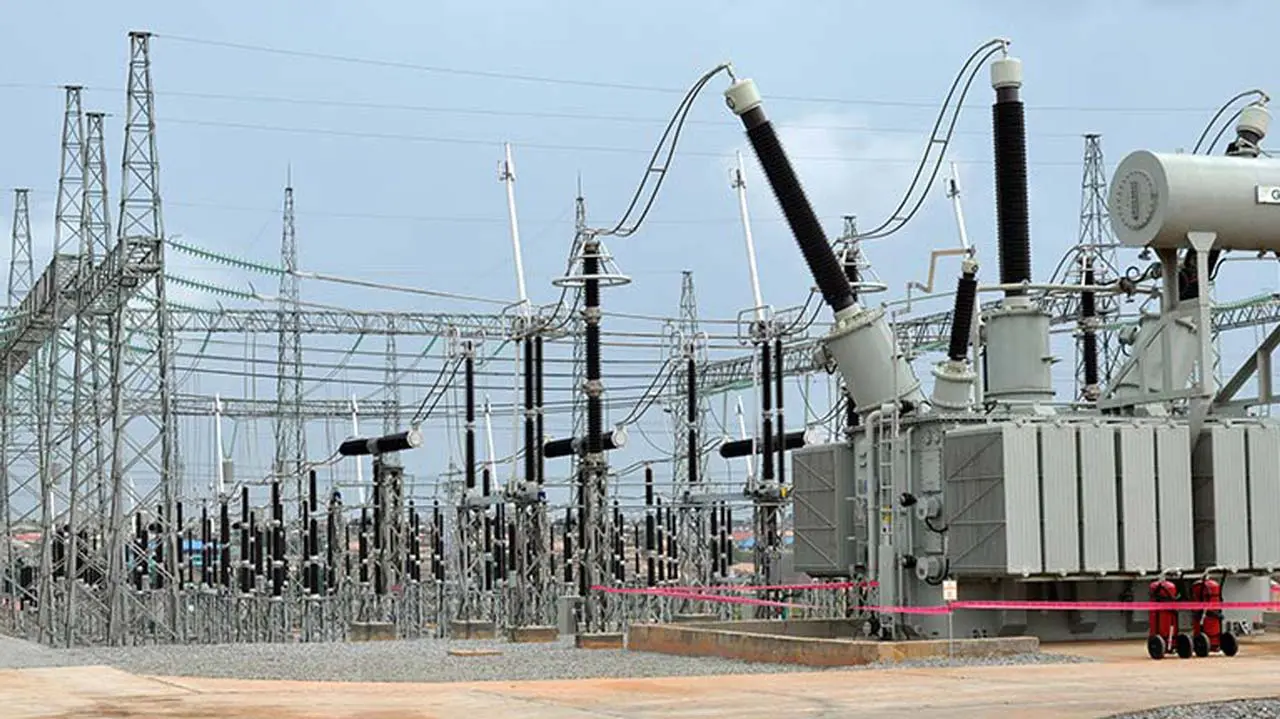
Nigeria’s electricity crisis is worsening as Electricity Distribution Companies (DisCos) recorded a combined loss of about N2.349 trillion over the past two years, driven by persistent billing and revenue collection inefficiencies.
The losses have further strained the Nigerian Electricity Supply Industry (NESI), which is already weighed down by an estimated N6 trillion debt as of December 2025. The growing financial pressure is pushing the sector closer to systemic instability, with several power plants struggling to secure enough gas to sustain operations.
Data from the Nigerian Electricity Regulatory Commission shows that DisCos posted losses of N1.015 trillion in 2024, rising sharply by 31.4 per cent to N1.334 trillion in 2025. Of the 2025 losses, about N649.87 billion was linked to billing inefficiencies, while weak revenue collection accounted for N684.28 billion.
Quarterly figures reveal fluctuating trends, with losses hitting N378.11 billion in the first quarter of 2025, dropping to N344.7 billion in the second quarter and N282.8 billion in the third quarter, before rising again to N328.54 billion in the final quarter.
The liquidity crisis is now directly impacting electricity supply across the country. Generation Companies (GenCos), owed over N6 trillion, are operating below capacity, while gas suppliers have reduced deliveries due to unpaid debts. This has led to declining power generation and widespread outages.
Electricity supply on the national grid has fallen from an average of 4,600 megawatts in 2025 to below 3,500 megawatts in early 2026. As a result, many parts of the country now experience prolonged blackouts, with some areas receiving less than 12 hours of power daily and others as little as four to six hours.
In parts of Abuja, including Karu and Lokogoma, residents report getting barely three hours of electricity per day. Similar conditions persist in Nasarawa, Niger, and Kogi states under the Abuja Electricity Distribution Company, as well as in Delta communities such as Ughelli, Warri, Sapele, and Oleh under the Benin Electricity Distribution Company.
Frustration is mounting among households and businesses, many of whom continue to receive high estimated bills despite poor supply. With financial leakages persisting and debts rising, concerns are growing over the sustainability of Nigeria’s power sector and the risk of further deterioration in electricity supply.
#UTVAfrica#