Electoral Reform in Limbo as National Assembly Weighs January 2027 Poll Shift
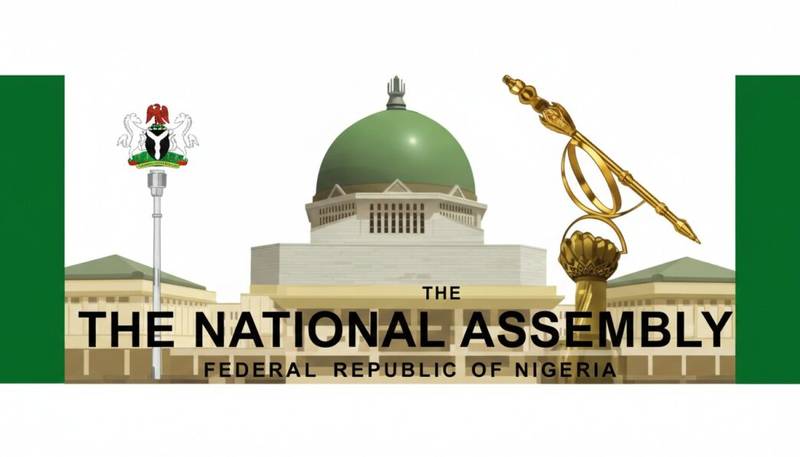
Fresh uncertainty has emerged over Nigeria’s proposed electoral reforms after a key harmonisation meeting between the Senate and the House of Representatives failed to hold, raising questions about both the future of the amended Electoral Act and the timetable for the 2027 general elections.
The Conference Committee set up to reconcile differences in the Electoral Act (Repeal and Re-enactment) Bill, 2026, was scheduled to meet on Monday ahead of a crucial plenary session. However, the session could not proceed as planned due to the absence of several House committee members.
Although some senators arrived at the venue at the scheduled time, the lack of full representation stalled proceedings. The committee is jointly led by Simon Bako Lalong and Adebayo Balogun, who both later held brief consultations without reaching a formal resolution. By the end of the day, no harmonised position had been adopted.
At the centre of the disagreement is Clause 60(3) of the bill, which addresses electronic transmission of election results. While the House version requires real-time electronic upload of results from polling units to the Independent National Electoral Commission (INEC) Results Viewing Portal (IReV), the Senate amended the clause to remove the “real-time” requirement, instead allowing greater flexibility in how electronic transmission is implemented.
The divergence has become one of the most contentious aspects of the reform process, as both chambers must agree on a single version before the legislation can proceed for final passage and presidential assent. The Senate delegation to the committee was constituted by Senate President Godswill Akpabio, alongside other lawmakers tasked with resolving the impasse.
Beyond the dispute over electronic transmission, lawmakers are also preparing to debate a possible adjustment to the 2027 election calendar. Discussions within the National Assembly suggest that the general elections, currently slated for February 2027, could be moved to January to avoid coinciding with the Ramadan period and Eid celebrations.
The proposed shift follows concerns raised by the Muslim Rights Concern (MURIC), which cautioned that scheduling elections during a major religious observance could affect voter participation and heighten sensitivities.
In a notice issued ahead of plenary, Clerk to the National Assembly Kamoru Ogunlanaindicated that lawmakers would deliberate on “very crucial national matters,” fueling speculation that both the harmonisation report and the election timetable may be addressed.
With political stakes rising and the 2027 polls drawing closer, attention now turns to the National Assembly’s next move. Whether lawmakers will insist on mandatory real-time electronic transmission of results and whether they will revise the electoral calendar remain pivotal decisions that could shape the credibility and conduct of Nigeria’s next general elections.
#UTVAfrica#