ECOWAS boosts regional integration through trade, agriculture, environment
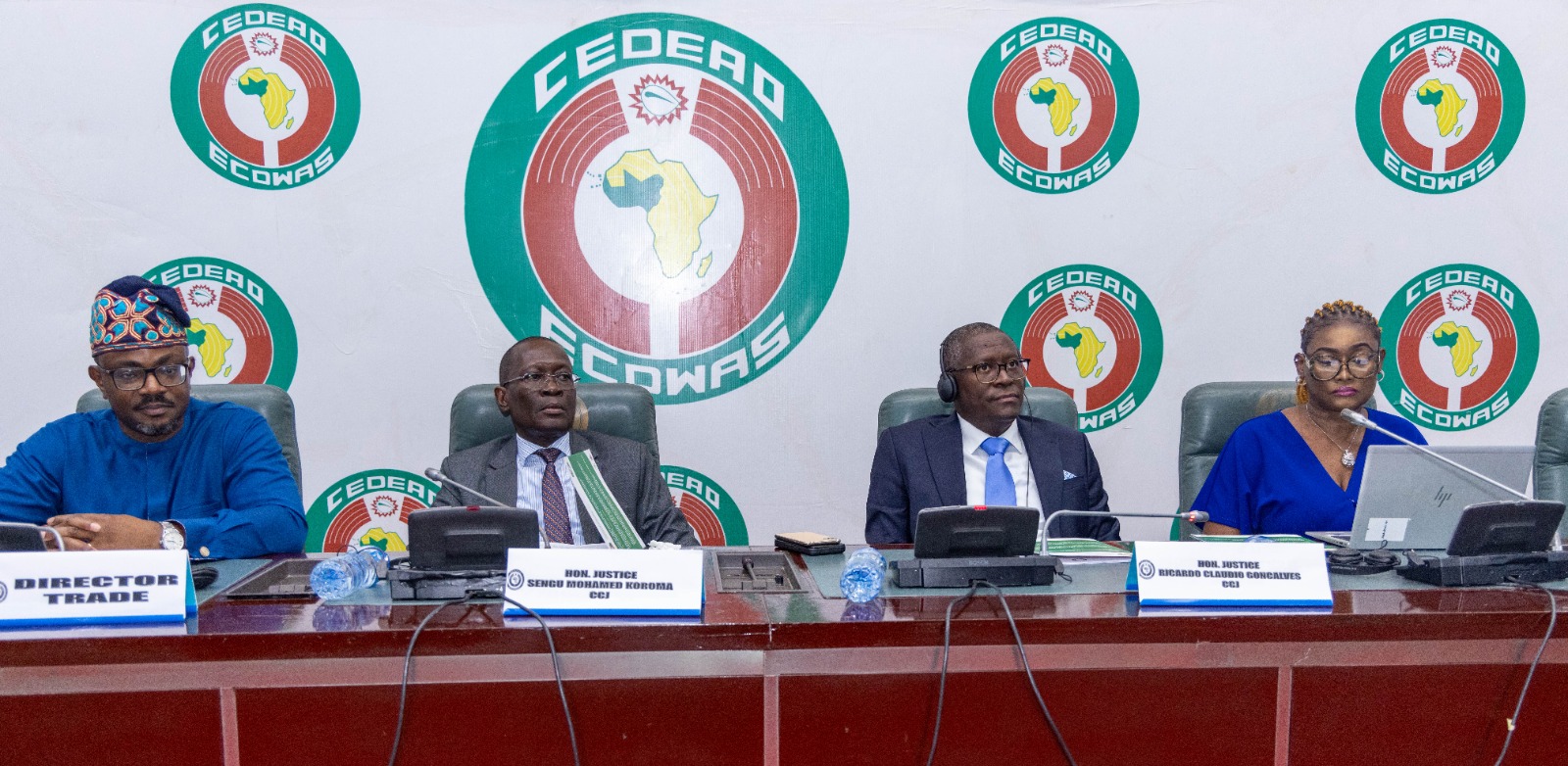
The Economic Community of West African States (ECOWAS) has reaffirmed its commitment to regional integration by promoting strategic initiatives in trade, agriculture, and environmental sustainability. ECOWAS Commission President Dr. Omar Touray made this known on Wednesday in Abuja at the opening of an initiative focused on economic integration through trade, agriculture, and environmental projects, themed “Regional Interventions Towards Economic Integration in West Africa.”
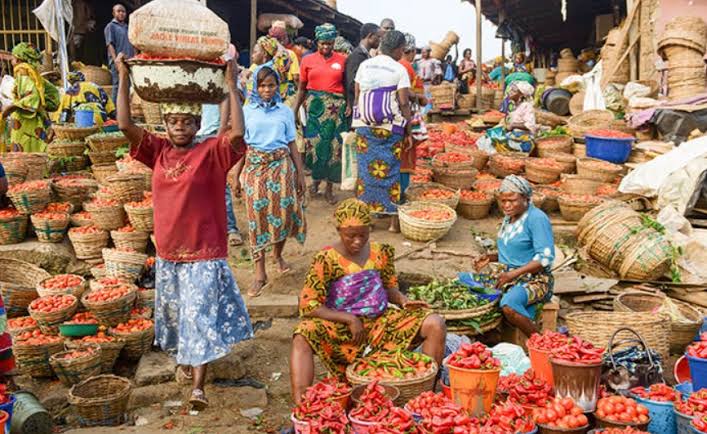
Touray said ECOWAS is implementing a range of strategic projects to strengthen industrial development, boost agricultural productivity, enhance food and nutritional security, and accelerate inclusive economic growth across member states. He highlighted the challenges faced, including the persistence of food insecurity, noting that about 12 percent of West Africans currently suffer from inadequate access to food. Guided by the ECOWAS Agricultural Policy (ECOWAP), the commission is modernizing agricultural production, promoting inclusive agribusiness, and supporting initiatives such as soil health and fertilizer access to increase productivity, restore degraded lands, and create jobs for youth and women.
Environmental protection is also a key priority. Touray emphasized tackling plastic pollution to safeguard ecosystems, protect public health, and stimulate recycling industries that generate employment. In addition, ECOWAS is advancing regional strategies for renewable energy, sustainable land use, and climate resilience, while facilitating trade in goods and services through the ECOWAS Trade Liberalisation Scheme and the African Continental Free Trade Area. He also highlighted the role of technology and e-commerce in accelerating structural change and regional economic integration.
Nigeria’s Minister of Agriculture and Food Security, Sen. Abubakar Kyari, underscored the interdependence of trade, agriculture, and the environment, noting that agricultural productivity drives regional trade while environmental stewardship ensures the sustainability of both. He called for harmonized policies, strengthened regional standards, and effective knowledge exchange among member states to translate shared aspirations into tangible results.
Nigeria’s Minister of Environment, Balarabe Lawal, described the event as pivotal for promoting sustainable economic growth, deepening integration, and strengthening environmental governance. He highlighted the region’s plastic pollution challenge, with over 2 million tonnes generated annually, and stressed the need for effective waste management to protect human health, biodiversity, and agricultural productivity. Lawal reaffirmed Nigeria’s commitment to collaborating with ECOWAS member states to harmonize standards, exchange knowledge, and build capacity for implementation.
Through these initiatives, ECOWAS aims to operationalize its Vision 2050 and support the broader objectives of the African Union’s Agenda 2063, laying the groundwork for a West Africa that is integrated, self-sufficient in food production, and resilient in the face of environmental and economic challenges.
#UTVAfrica#