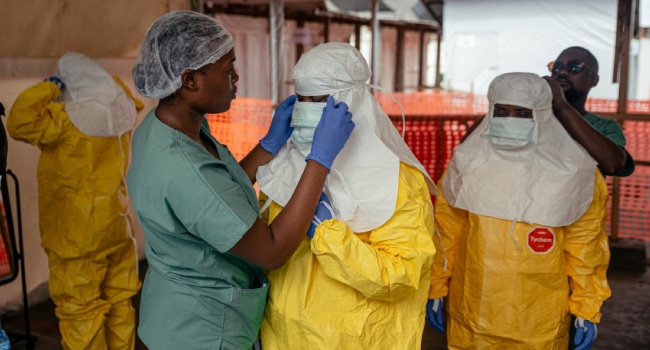
Ebola Cases Near 500 as Central Africa Battles Growing Health Emergency
The Ebola outbreak spreading across parts of Central Africa has continued to escalate, with nearly 500 confirmed infections now recorded in the affected countries, according to the latest figures released by the World Health Organization (WHO).
Health authorities report that the hardest-hit nation remains the Democratic Republic of the Congo, where 452 confirmed cases have been documented since the outbreak was officially declared in mid-May. The country has also recorded 82 fatalities linked to the virus.
Across the border in Uganda, officials have confirmed 19 infections and two deaths, bringing the regional total to 471 cases and 84 fatalities.
The latest update reflects a sharp increase from previous reports, with health agencies noting an additional 100 confirmed infections and 20 deaths within a 24-hour period. The surge has intensified concerns among international health experts, who fear the outbreak could expand significantly if containment measures are not strengthened.
The WHO has already classified the situation as a public health emergency of international concern, warning that rapid intervention is critical to prevent further spread.
Experts at the Centers for Disease Control and Prevention (CDC) have also raised alarms over projections suggesting the outbreak could grow substantially without aggressive public health action. Disease modelers say the current trajectory highlights the need for faster surveillance, case detection, and community engagement efforts.
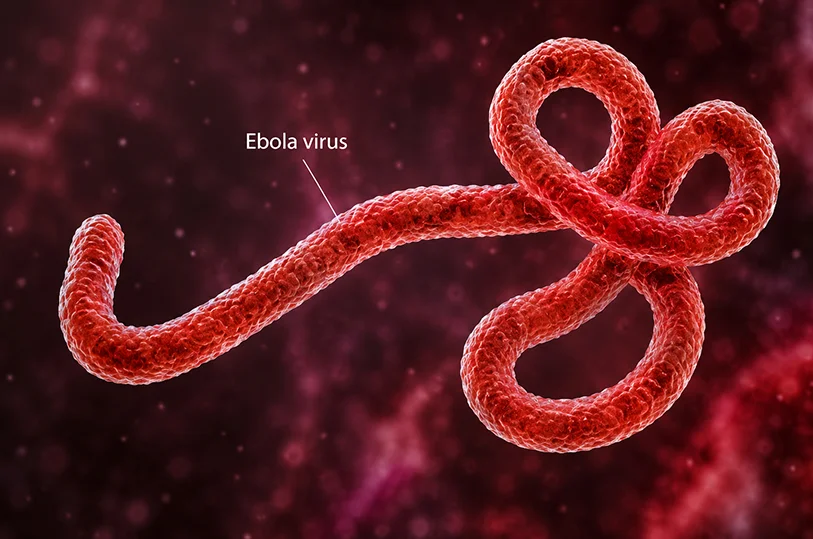
Investigations indicate that the virus may have been circulating undetected in northeastern Congo before authorities officially identified the outbreak. The strain involved is the rare Bundibugyo variant of Ebola, for which there are currently no approved vaccines or specific treatments.
In response, the WHO and the Africa Centres for Disease Control and Prevention have unveiled a six-month emergency response plan valued at $518 million. The initiative aims to strengthen disease monitoring systems, improve laboratory capacity, enhance infection-control measures, and support affected communities.
WHO Director-General Tedros Adhanom Ghebreyesus stressed the urgency of the response, noting that health agencies must move quickly to contain the outbreak and help neighboring countries prepare for potential cases.
Health officials maintain that while Ebola outbreaks can be controlled, success will depend on swift coordination, adequate funding, and sustained international support in the weeks ahead.