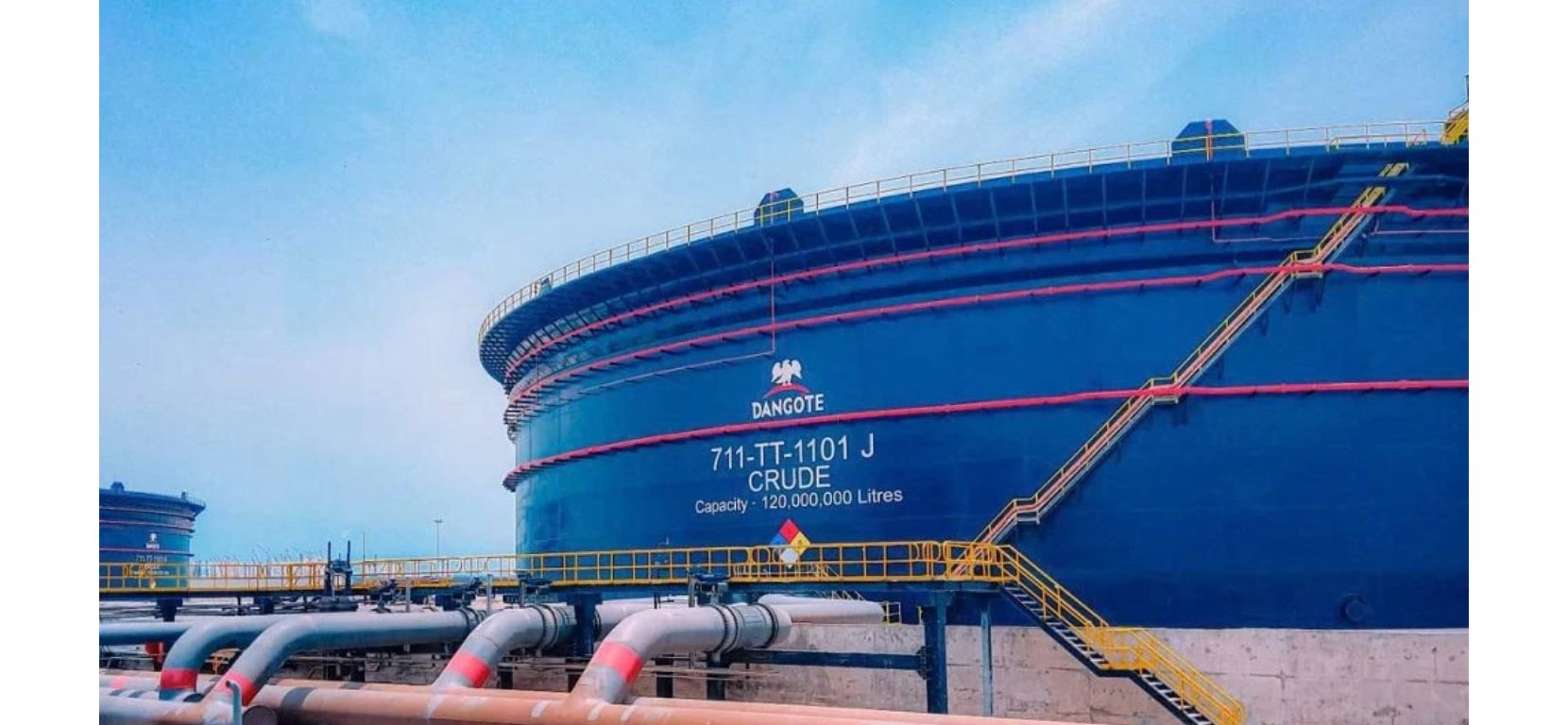
Dangote Refinery Accounted for 71% of Nigeria’s August Petrol Supply
The Dangote Petroleum Refinery supplied an average of 35.9 million litres of Premium Motor Spirit (PMS) daily to the Nigerian market in August, accounting for about 71 per cent of the country’s total petrol receipts, according to the latest data from the Nigerian Midstream and Downstream Petroleum Regulatory Authority (NMDPRA). The regulator’s August 2026 State of the Midstream and Downstream Sector factsheet showed that domestic PMS receipts increased by 39 per cent, rising from 25.8 million litres per day in July to 35.9 million litres in August. In contrast, petrol imports dropped by 26 per cent from 19.7 million litres per day to 14.6 million litres during the same period. Overall PMS receipts also climbed by 11 per cent, from 45.5 million litres per day in July to 50.5 million litres in August. The figures showed that locally supplied petrol exceeded imports by 21.3 million litres per day, while recorded PMS consumption fell by 14 per cent from 48.3 million litres to 41.5 million litres per day. NMDPRA said its consumption figures were based on volumes trucked out into the domestic market.
The regulator reported that the Dangote refinery produced an average of 41.94 million litres of PMS daily during August, supplying 35.87 million litres to the domestic market and exporting 9.73 million litres. The refinery ended the month with 360.4 million litres of PMS in stock, while its average capacity utilisation stood at 105.21 per cent. Meanwhile, crude receipts by domestic refineries increased by 17 per cent, from 585,000 barrels per day in July to 683,000 barrels per day in August. Between January and August, local refineries received 137.98 million barrels of feedstock, with domestic crude accounting for 79.64 per cent and imported crude making up the remaining 20.36 per cent. The NMDPRA data also showed an improvement in petrol stock sufficiency from 22.4 days in July to 22.9 days in August. Diesel imports fell sharply by 84 per cent to 1.3 million litres per day, while aviation fuel receipts increased by 63 per cent to 3.1 million litres daily. The figures point to a growing role for domestic refining in Nigeria’s petroleum supply, with locally produced petrol increasingly accounting for a larger share of the market.
#UTVAfrica#