Dangote Fuel Re-Enters Nigeria Through Lomé Trading Hub, Energy Expert Reveals
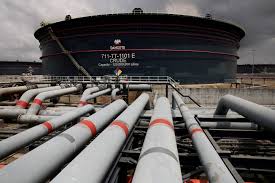
An energy market analyst has disclosed that a significant volume of refined petroleum products produced by the Dangote Petroleum Refinery is finding its way back into Nigeria through the offshore trading hub in Lomé, Togo, despite growing domestic production capacity. Speaking during a webinar organised by the Major Energies Marketers Association of Nigeria (MEMAN), Matthew Tracey-Cook of S&P Global Commodity Insights said the trend reflects the increasingly interconnected nature of fuel supply chains across West Africa. According to him, data from the past six months shows that products refined by Dangote have become a major source of waterborne fuel deliveries into Nigeria. In some months between March and May 2026, he noted, more than 70 per cent of petroleum products imported by sea into the country originated from the Lagos-based refinery before being routed through regional trading channels. Tracey-Cook explained that many of the products are first transported to the offshore ship-to-ship (STS) hub in Lomé, where cargoes from larger tankers are redistributed onto smaller vessels better suited to ports across West Africa, including those in Nigeria. He said the arrangement highlights the strategic importance of Lomé as a regional transshipment centre, particularly for countries whose port infrastructure cannot accommodate larger petroleum tankers. The analyst observed that the pattern is evident not only in petrol supplies but also in diesel shipments, underscoring the growing influence of the Dangote refinery in shaping fuel flows across the region. Despite the refinery's expanding role in direct supply, he noted that the Lomé hub continues to handle substantial volumes and remains one of the most important fuel trading centres in West Africa. Tracey-Cook also pointed to pricing dynamics within the regional market, noting that fuel prices in West Africa have recently traded at levels above those seen in parts of Europe, an unusual trend linked partly to geopolitical developments and supply disruptions. He described the Dangote refinery and the Lomé trading hub as the two most influential supply centres in the region, playing complementary roles in meeting fuel demand across West Africa.
The analyst further highlighted the refinery's growing international footprint, particularly following disruptions linked to tensions involving Iran and global energy markets. According to him, Dangote's exports of refined products, especially aviation fuel, have increased significantly, with shipments reaching destinations in Europe, Southern Africa, and other international markets. Industry discussions about Dangote's pricing strategy have persisted since late 2025, when some fuel marketers alleged that products were being sold to international traders at lower prices than those offered to local buyers. The refinery denied the claims, maintaining that its pricing structure was transparent and competitive. The latest insights underscore the refinery's rising importance not only to Nigeria's energy sector but also to the broader West African fuel market, where regional trade routes continue to shape supply and distribution patterns.
#UTVAfrica#