“Building Beyond Numbers: QS Bolaji Sotunde FNIQS on Leadership, Innovation, and the Future of Quantity Surveying”
Interview by Benita Ibrahim
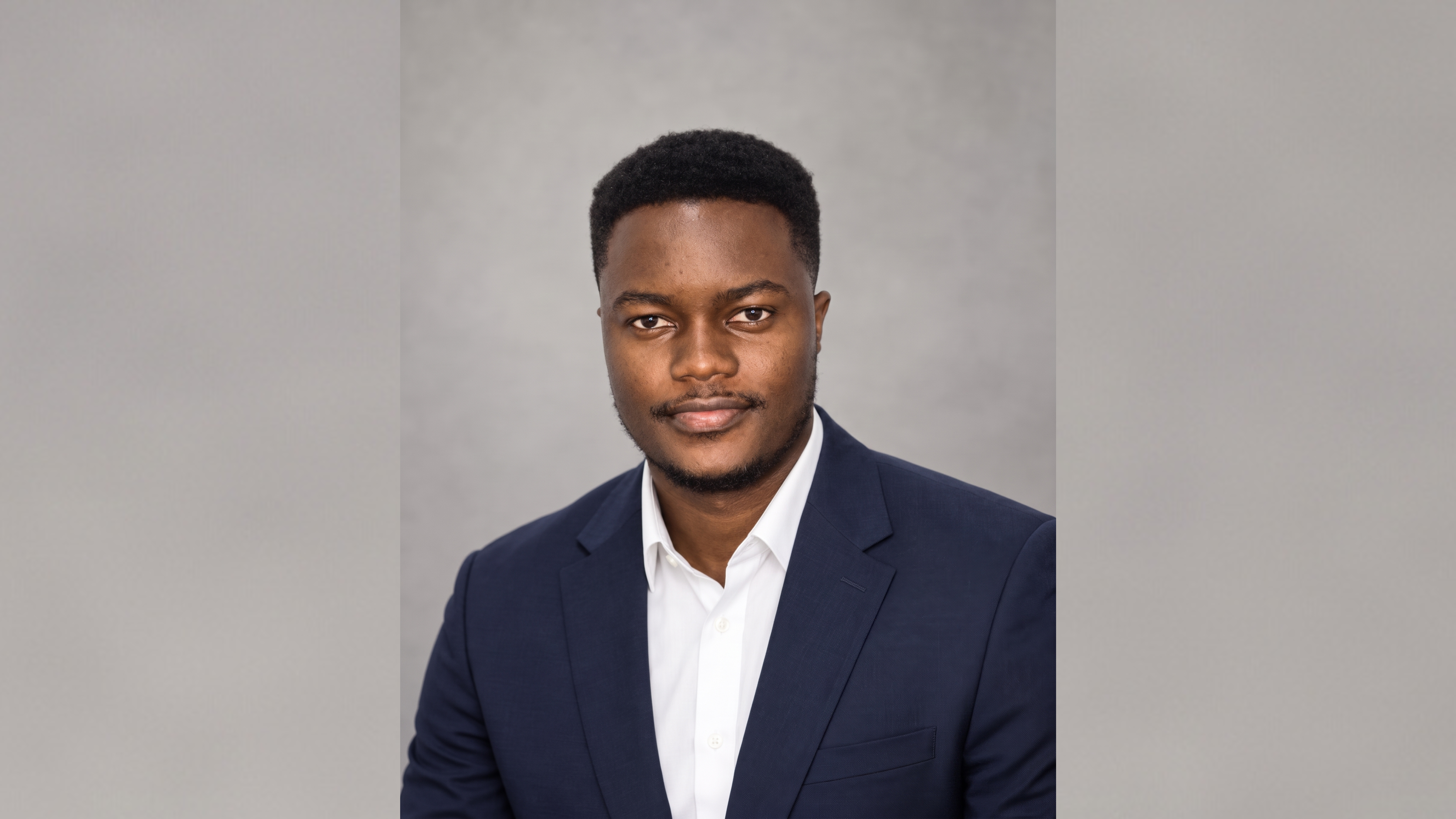
Bolaji Sotunde, FNIQS, is a seasoned Quantity Surveyor with an MBA in Cost Management and decades of experience in Nigeria’s built environment. As a business owner and management executive, he provides leadership in cost planning, project management, and strategic construction delivery. In this interview, he shares insights on leadership, the economy, cost management, and the balance between urban growth and agriculture.
Before we go into the major questions, let’s begin with some lighthearted conversations.
Q: What’s your favourite city in the world and why?
A: Rome, because that’s where I get to see and spend time with the best sister in the world.
Q: Coffee or tea to start your day?
A: Tea.
Q: What’s the best advice you’ve ever received from a mentor?
A: Never say no to a good offer.
Q: If you could meet any global leader, past or present, who would it be?
A: Elon Musk.
Q: Which three words would your colleagues use to describe you?
A: Sugar!! Mention it!!
Q: What’s one Nigerian dish you can’t resist?
A: Fried rice, plantain, and chicken.
Q: Your favourite quote on leadership?
A: “Begin with the end in mind.”

Q: You have decades of experience as a Quantity Surveyor and also hold an MBA in Cost Management. How has that qualification influenced your professional outlook, and would you encourage others in the field to pursue it?
A: My MBA in Cost Management has expanded how I view projects. It helped me see beyond numbers and measurements — connecting cost data to strategy, finance, and value creation. It also improved how I communicate with clients and investors, translating technical cost details into strategic insights.
Yes, I strongly recommend an MBA, especially in Cost or Project Management, for quantity surveyors and real estate professionals. It builds leadership, business awareness, and strategic thinking — key traits for success in today’s dynamic industry.
Q: On your LinkedIn profile, you emphasize driving efficiency and innovation within the built environment. Could you explain what the built environment entails and why innovation is so crucial to it?
A: The built environment covers everything we create — from buildings and roads to infrastructure that supports daily life. In Nigeria, this sector faces challenges like high costs, poor maintenance, and limited use of technology.
Innovation means adopting digital tools like Building Information Modelling (BIM), data analytics, and sustainable practices. These innovations make our projects more efficient, eco-friendly, and better aligned with national development goals.
Q: As someone who leads and manages diverse teams, how do you personally define leadership, and in what ways has it shaped your management approach?
A: Leadership, for me, is about influence, vision, and empathy — not titles. It’s about inspiring people and aligning their strengths with common goals.
In Nigeria’s diverse environment, emotional intelligence is key. Leadership is the human side of management — it blends structure with empathy and motivation. That’s how I lead my teams to collaborate effectively and deliver impactful results.
Q: With the current rise in construction and logistics costs, how can effective cost management help organizations remain competitive and sustainable?
A: Cost management ensures resources are used wisely. It guides procurement, reduces waste, and enhances value. When firms use professional Quantity Surveyors, they gain data-driven insights into costs, risks, and value.
Without cost management, decisions become reactive and unsustainable. With it, firms can plan better, manage risks, and make every naira spent count toward long-term success.
Q: Having overseen several projects within Nigeria’s evolving economy, what key lessons have you learned about doing business in such a challenging environment?
A: The biggest lesson is adaptability. The Nigerian economy changes fast — exchange rates, taxes, fuel prices — all affect project costs and timelines.
Success comes from proactive planning, agility, and constant engagement with policy trends. The industry is resilient, but to thrive, we need consistent government policies, better access to finance, and strong local material production.
Q: There’s growing concern that urban development is encroaching on agricultural land. How can we strike a balance between real estate expansion and the preservation of farmland?
A: It shouldn’t be a contest between farmland and construction — both are vital. What we need is smarter planning and sustainable urban growth.
We can adopt vertical housing, mixed-use developments, and integrate urban farming into our cities. The goal is balance — ensuring urban expansion doesn’t erode our food security.
Q: In your view, what three major steps can the Federal Government take to better support the construction and real estate sectors?
A: First, ensure policy stability — especially in taxation, import duties, and exchange rates.
Second, improve access to affordable finance — possibly through a dedicated Construction Bank.
Third, encourage local production of building materials.
These steps will reduce costs, strengthen local capacity, and increase the sector’s contribution to national development.
Q: You recently spoke at a panel on “Building a Modern Quantity Surveyor: Presence, Influence, and Impact.” What were your key takeaways, and how do you envision the future of Quantity Surveying in Nigeria?
A: That session, organised by the Young Quantity Surveyors Forum, focused on how our profession must evolve. Today’s Quantity Surveyor must move beyond measurements — becoming a strategic partner skilled in technology, business, and sustainability.
The future belongs to QS professionals who embrace digital tools like BIM, AI, and data analytics, and who can translate data into value-driven decisions.
Q: You once wrote, “Before every concrete pour lies a story of strength being built from within.” Could you share the deeper meaning behind that quote in the context of your work?
A: That quote reflects the unseen effort behind every visible achievement. Before a structure stands, there’s planning, reinforcement, and coordination. Those unseen steps determine its strength.
Likewise, in life and work, true strength is built from discipline, teamwork, and integrity. The hidden effort defines the visible success.
Q: What are some of the biggest challenges you’ve faced in your career, and where do you envision yourself professionally in the next five years?
A: Economic instability and funding delays are constant challenges. Managing diverse stakeholders also demands patience and strong communication.
I handle these through proactive planning, transparency, and adaptability. In five years, I hope to continue shaping policy, mentoring younger Quantity Surveyors, and promoting innovation that creates lasting value in the built environment.
Q: What advice would you offer to young professionals who want to build impactful careers in quantity surveying and the wider construction industry?
A: I’d tell them to stay curious, keep learning, and embrace technology. The profession is evolving fast, so they must combine technical expertise with creativity, integrity, and emotional intelligence. Every project is an opportunity to learn, lead, and make a positive impact on society.
Q: Finally, how do you unwind or recharge outside of work to maintain balance amid the demands of the construction sector?
A: I spend time with family, travel when I can, and enjoy quiet moments reflecting or reading. Balance is important — it keeps you grounded and gives you the clarity needed to lead effectively and make sound professional decisions.
#UTVAfrica#