Borno Resettles 720 Repentant Boko Haram Fighters, Spouses and Children
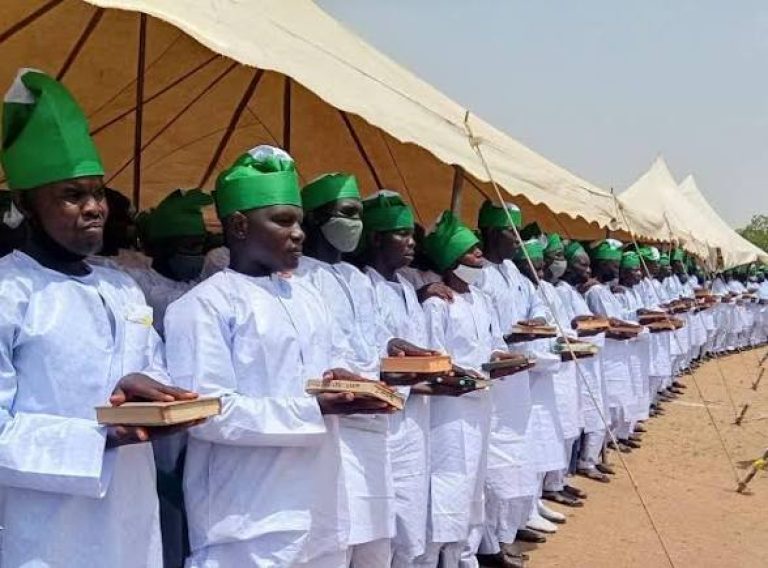
The Borno State Government has reintegrated 720 former Boko Haram insurgents, along with 992 spouses and 2,050 children, into communities across the state under its non-kinetic counterinsurgency initiative known as the "Borno Model." The latest beneficiaries, classified as low-risk participants under Batch 9 of the programme, completed a three-month deradicalisation, rehabilitation, and vocational training programme at the Hajj Camp in Maiduguri before returning to civilian life. Speaking during the reintegration exercise in Maiduguri, the Special Adviser to Governor Babagana Zulum on Security and member of the Deradicalisation, Rehabilitation and Reintegration Committee, retired Brigadier-General Abdullahi Ishaq, described the programme as a major success in the state's efforts to promote peace and stability. According to Ishaq, the initiative has continued to record positive outcomes since its launch in July 2021, when communities agreed to accept former insurgents willing to abandon violence and embrace peaceful coexistence. He noted that the Borno Model has attracted recognition as one of Nigeria's leading non-military approaches to addressing insurgency, adding that more than 350,000 individuals have voluntarily left insurgent camps and surrendered to security forces.
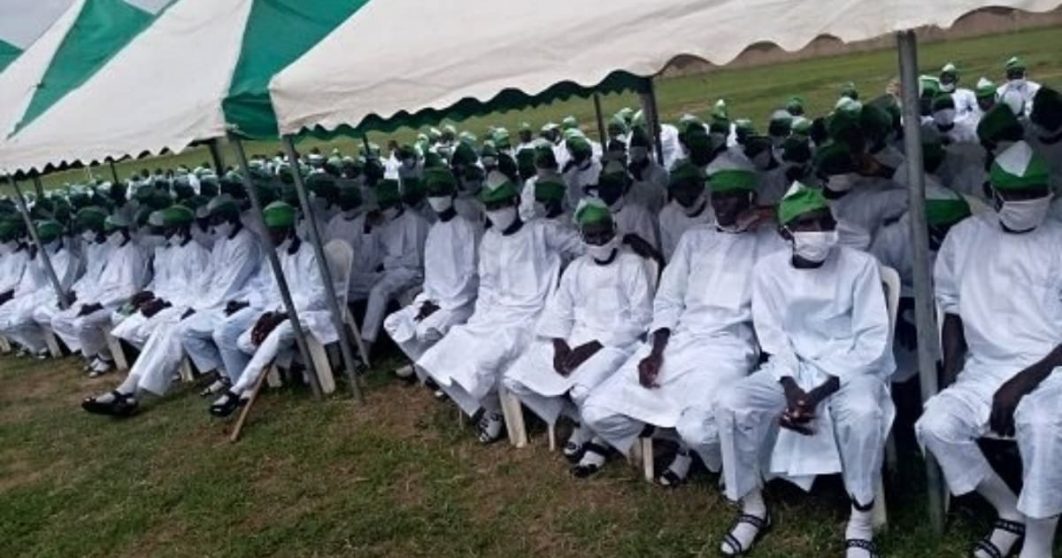
The newly reintegrated group consists of 720 men, 992 wives, and 2,050 children who initially surrendered to the Nigerian Army before undergoing documentation, profiling, counselling, deradicalisation, and rehabilitation. Ishaq explained that many of those who surrendered were encouraged by former insurgents who had already completed the programme and successfully reunited with their families and communities. He added that some insurgents attempting to surrender were killed before reaching military formations, while others who made contact with troops were transferred to rehabilitation facilities for further assessment and support. During their stay at the camp, participants received training designed to help them transition back into society. Women enrolled in the programme were also trained in various vocational skills, including tailoring, catering, knitting, cap-making, and soap production. To support their reintegration, the state government provided starter packs and other forms of assistance to help beneficiaries establish sustainable livelihoods after leaving the camp. With the completion of Batch 9, the total number of individuals reintegrated through the programme has risen to 9,680, including 8,960 beneficiaries from the previous eight batches. The participants were drawn from several local government areas, including Bama, Konduga, Maiduguri Metropolitan Council, Jere, Mafa, Dikwa, Gwoza, Damboa, Marte, Monguno, Kukawa, Ngala, Kala-Balge, and Gubio. Ishaq said community leaders, members of the Civilian Joint Task Force, and local hunters assisted in screening and verifying the former insurgents before they were approved for reintegration. He urged the beneficiaries to remain law-abiding citizens and contribute positively to the development of their communities. Also speaking at the event, the Commissioner for Women Affairs and Social Development, represented by Permanent Secretary Babagana Kadai, described the exercise as a symbol of reconciliation, recovery, and hope. Kadai commended Governor Zulum's administration for its efforts in rebuilding communities affected by insurgency, resettling displaced families, restoring public infrastructure, and creating opportunities for vulnerable groups to rebuild their lives. He noted that the ministry has continued to provide psychosocial support, family reunification services, child protection programmes, vocational training, and community awareness initiatives to strengthen long-term peace and social cohesion. Representatives of religious leaders, security agencies, and other stakeholders also urged the beneficiaries to embrace peaceful living and serve as ambassadors of reconciliation within their communities.
#UTVAfrica#