40 Years Mystery: Okoye Examines Historical Parallels Between Otti and Mbakwe
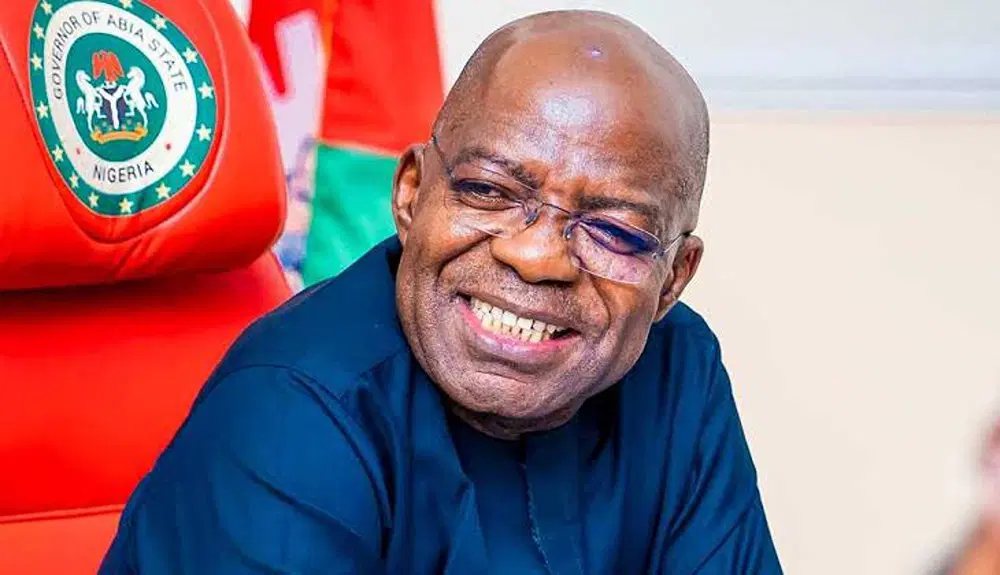
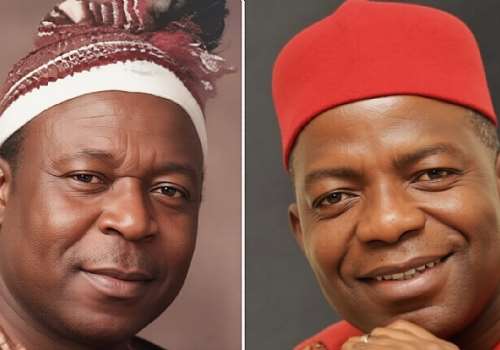
A commentary by Dr Richard Okoye, Chairman of SaveAlife Group, has drawn a historical comparison between Abia State Governor Alex Otti and the late Chief Sam Mbakwe, former governor of the defunct Imo State, highlighting similarities in their leadership styles, development efforts and the challenges surrounding political succession.
In the article titled “40 Years Mystery All Abians Must Know,” Okoye argues that the two leaders share characteristics he associates with what he describes as the “Spirit of Moses,” using biblical references to interpret their approaches to governance and public service.
According to the writer, Otti’s decision to leave a successful banking career to pursue public office reflects a willingness to sacrifice personal comfort for what he considers a broader mission to improve the lives of the people of Abia State.
Okoye also draws parallels between Otti’s cabinet appointments and the biblical account of Moses selecting skilled individuals to execute specific responsibilities. He argues that Otti’s approach to appointing professionals, including individuals from outside Abia State, reflects an emphasis on competence and alignment with his administration’s development agenda.
The writer cites his interactions with some members of the governor’s cabinet, including Chief of Staff Caleb Ajagba, Commissioner for Health Enoch Ogbonnaya Uche and Commissioner for Petroleum Joel Ogbonna, as examples of what he describes as a shared commitment to the governor’s vision and public interest.
On infrastructure and development financing, Okoye raises questions about how the Otti administration has sustained its projects despite operating outside the ruling party at the national level.
He links the development efforts to the legacy of Mbakwe, who governed the old Imo State from 1979 to 1983 and is remembered for his infrastructure and education initiatives.
The article particularly references the construction of Sam Mbakwe Airport in Owerri, which Okoye says benefited from contributions by members of the public, including schoolchildren.
He also discloses that he supported the provision of solar power solutions and digital infrastructure for two primary healthcare centres in Abia State, describing the initiative as an outcome of his personal encounter with the governor’s development vision.
However, the central argument of the article focuses on the political risks associated with leadership transitions.
Okoye recalls that Mbakwe’s administration was cut short by the military coup of December 1983, approximately three months into his second term. He uses the historical episode to warn against a situation in which a leader’s development agenda is interrupted before it can be sustained by a successor.
He argues that Abia State must learn from the political history of the old Imo State to avoid repeating what he describes as a period of lost opportunities.
The writer also urges residents to support Otti’s administration, stressing that the responsibility for sustaining development should not be viewed solely through political affiliations.
According to him, public support and continuity in governance are necessary to preserve ongoing projects and ensure that development efforts extend beyond an incumbent administration.
Okoye further identifies succession planning as a critical issue for Abia State, describing the need for a suitable successor as the search for a “Joshua” who would continue the work of “Moses.”
He calls for prayers against any attempt to truncate Otti’s development agenda, particularly during the January-to-May 2027 period, while urging residents to pray for a successor capable of maintaining the administration’s direction.
The article concludes with an appeal to the people of Abia State to reflect on the lessons of history, support development initiatives and pay attention to the question of political succession.
While Okoye presents the comparison between Otti and Mbakwe through a biblical and historical interpretation, his central concern is whether Abia State can sustain its current development trajectory and avoid a disruption of governance continuity.
The views expressed in the article are those of the writer.
#UTVAfrica#