📢 REMINDER: Major Changes in Nigeria’s Tax System – Here’s What You Need to Know!
Share this article
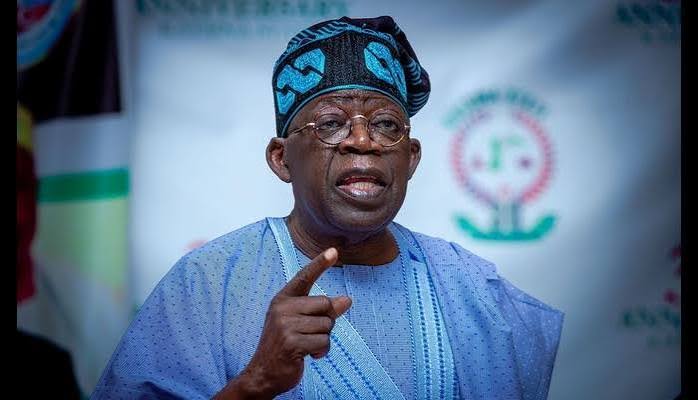
President Bola Ahmed Tinubu has officially signed the new Tax Reform Bills into law, introducing significant updates that directly affect you as a Nigerian citizen. Here's a simplified breakdown of the key changes:
- New Name, Same Role:
- The Federal Inland Revenue Service (FIRS) is now called the Nigeria Revenue Service (NRS).
- Centralized Tax Collection:
- NRS will now take charge of collecting revenues that were previously handled by agencies like Nigeria Customs, NUPRC, NPA, and NIMASA.
- Relief for Low-Income Earners:
- If you earn ₦800,000 or less per year, you are now exempted from paying income tax.
- Tax for High-Income Earners:
- Individuals earning above ₦50 million annually will now pay a 25% personal income tax.
- Small Businesses Benefit:
- Small business owners are now fully exempted from paying income tax.
- Corporate Tax Reduction Coming:
- Starting from 2026, medium and large companies will see a cut in company income tax — from 30% to 25%.
- VAT Exemptions on Essentials:
- Essential goods and services such as food, medical care, pharmaceuticals, school fees, and electricity are VAT-free.
- No Tax Increase:
- The VAT rate remains at 7.5%, and corporate tax stays at 30% — there is no increase.
- New Development Levy Introduced:
- A 2%–4% Development Levy will now go toward funding key national institutions like NELFUND, TETFund, NITDA, and NASENI.
Take Note: These changes are designed to ease the burden on lower-income earners and small businesses while streamlining tax collection and boosting national development.
Stay informed, and be sure to adjust your personal or business finances accordingly.
#UTVAfrica##
Published on July 7, 2025
Share: