South Africa Deploys Army to Combat Gangs and Illegal Mining
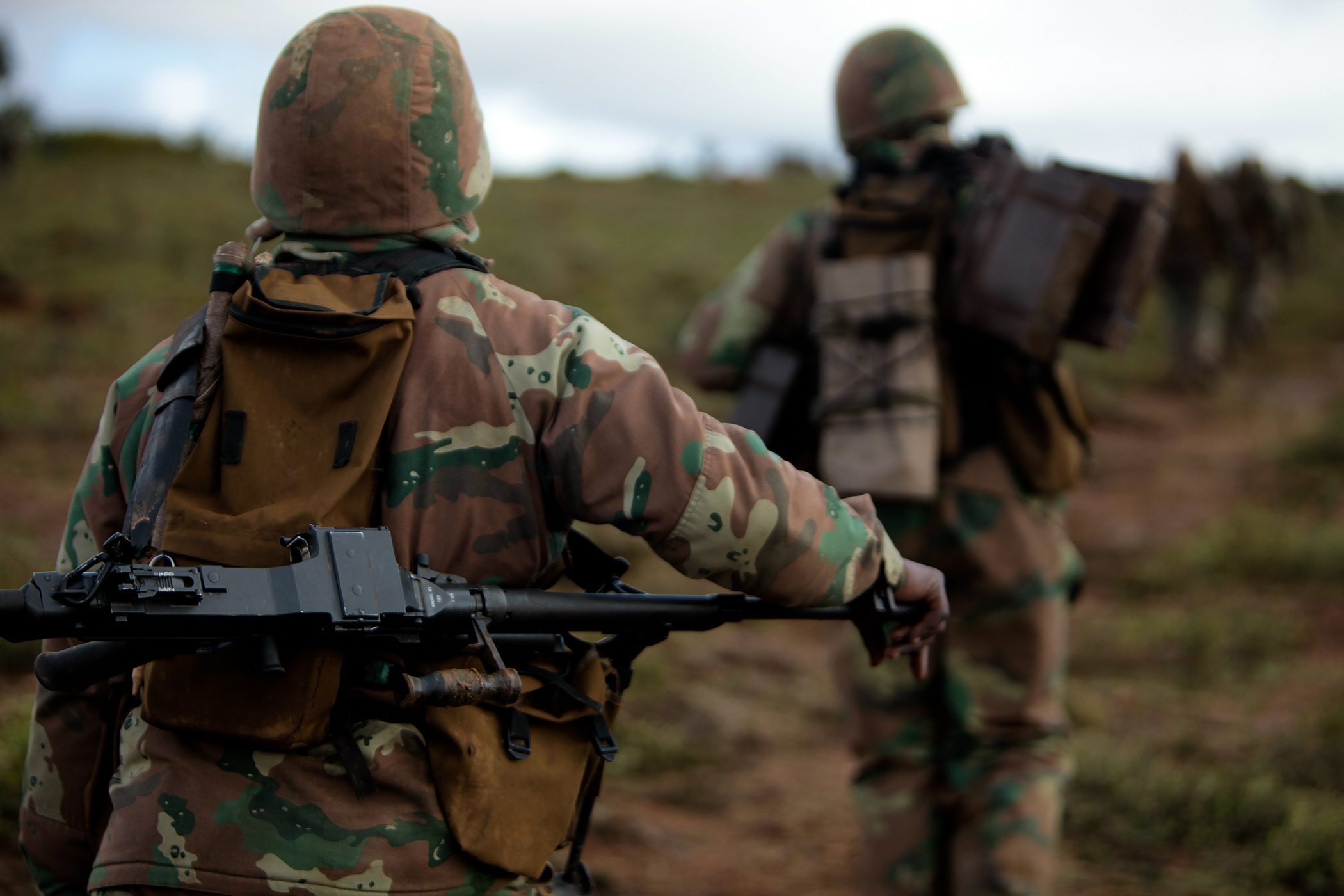
South African President Cyril Ramaphosa has announced that the army will be deployed to assist police in tackling violent criminal gangs and illegal mining operations across the country.
Speaking during his annual State of the Nation Address on Thursday, Ramaphosa described organised crime as “the most immediate threat to our democracy, our society and our economic development.” He added, “I will be deploying the South African National Defence Force to support the police.”
Gang violence has long plagued South Africa, which consistently records one of the highest murder rates in the world. Last month, Police Minister Firoz Cachalia acknowledged that the police alone are not yet able to defeat the country’s deadly criminal gangs.
Ramaphosa instructed police and army chiefs to develop a deployment plan within days. The military operation will initially focus on the provinces of Western Cape and Gauteng, home to Cape Town and Johannesburg, respectively. Rising gang violence in the Western Cape and illegal mining activities in Gauteng, often linked to armed “zama zamas” — undocumented foreign miners — were cited as key concerns.
“Children in the Western Cape are caught in the crossfire of gang wars. People are being chased out of their homes by illegal miners in Gauteng,” the president said.
Ramaphosa had previously ruled out military involvement in Cape Town, noting that soldiers are trained for combat rather than community policing. The sudden reversal comes amid mounting public pressure to tackle escalating gang-related violence.
In addition to military deployment, the president announced further measures to combat crime, including the recruitment of 5,500 new police officers, improved intelligence operations, and targeted action against crime syndicates.
Police statistics reveal the scale of the crisis: an average of 63 people were killed daily between April and September last year, highlighting the urgent need for stronger action against organised crime in South Africa.