Nigeria Must Restore Its Fading Football Glory
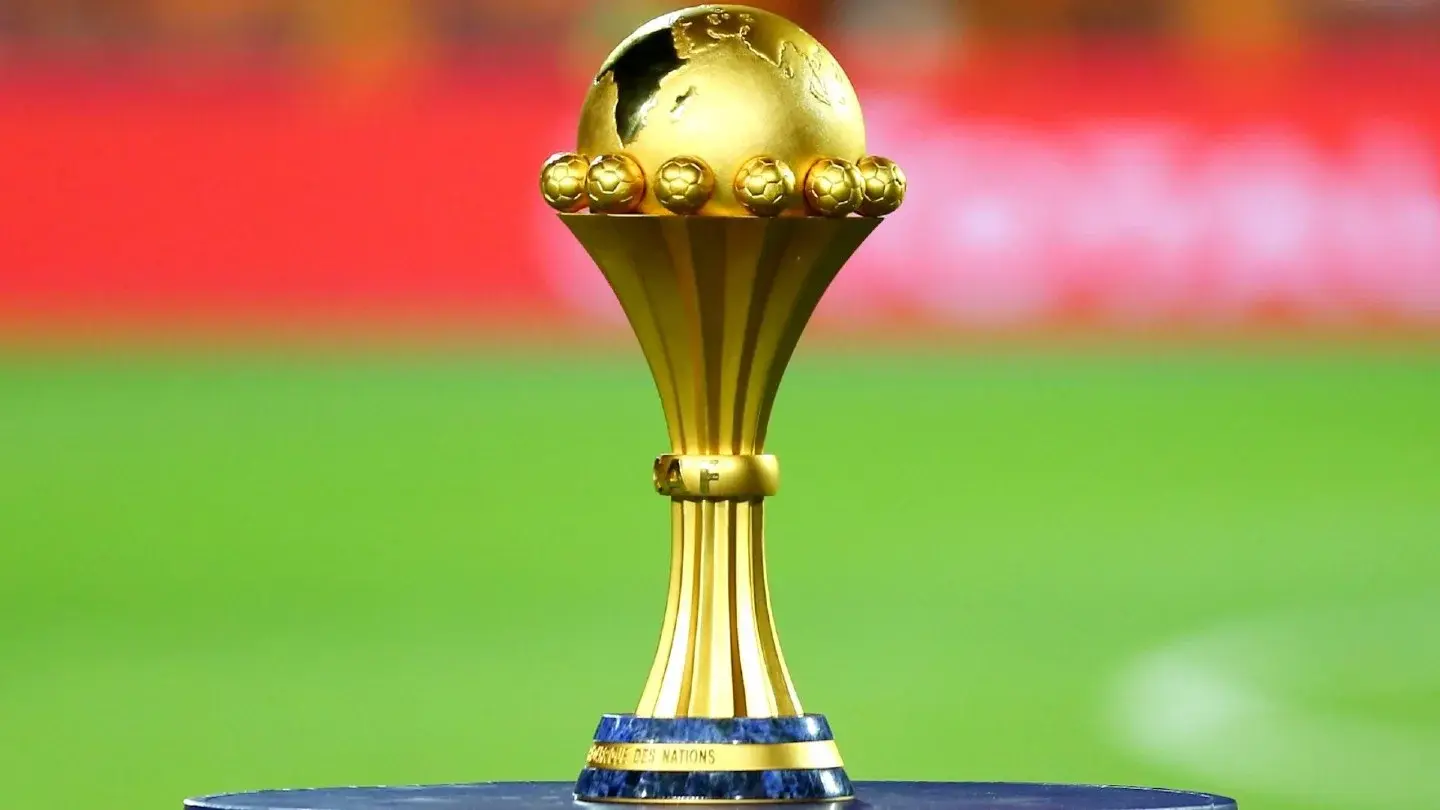
Football has always been more than a sport in Nigeria. For decades, it has been the single most powerful unifying force in the country. In a nation divided by ethnicity, religion, and politics, nothing binds Nigerians like the Super Eagles scoring a last-minute winner, the Super Falcons lifting the WAFCON trophy, or advancing in the FIFA World Cup. Football is where Nigerians, young or old, Muslim or Christian, momentarily forget their differences and share a common passion, pride, and hope.
Sadly, Nigerian football is in decline. From the national teams to domestic clubs, the regression is clear and troubling. The Super Eagles, once Africa’s pride and ranked fifth globally by FIFA, have failed to qualify for two consecutive World Cups, missing 2022 in Qatar and 2026 in the United States, Mexico, and Canada after a heartbreaking loss to DR Congo in the CAF playoffs. This is deeply disappointing for a nation with such talent and a storied football history.
Youth teams show similar struggles. Nigeria holds five FIFA U17 World Cup titles, yet the Golden Eaglets now struggle to qualify for global tournaments. The U20 men’s team has also failed to match past achievements, with their last World Cup final appearance in 2005. Women’s football is mixed: the Super Falcons remain Africa’s most dominant team, but the U17 and U20 women’s squads face global challenges.
Domestic clubs are no longer continental powerhouses. Since Enyimba’s CAF Champions League wins in 2003 and 2004, Nigerian clubs have struggled to make a mark, often failing to reach group stages, while teams from Egypt, Morocco, and South Africa dominate.
This decline reflects structural issues: poor funding, weak administration, inadequate infrastructure, and a lack of youth development. Football matters because it has succeeded where politics and leadership often fail. It builds bridges across divides, inspires national solidarity, creates opportunities for youth, and enhances Nigeria’s global image. Weak football is therefore not just a sporting failure—it is a national concern.
Revival must start with governance. The Nigerian Football Federation (NFF) should operate professionally, with appointments based on competence and accountability. Grassroots football, school sports, community competitions, and academies must be strengthened, alongside modern facilities and training centres. The domestic league should be improved with better player welfare, contracts, officiating, and sponsorships, forming a solid foundation for national teams.
A long-term national football philosophy and 10–15-year roadmap, like Morocco’s, is essential. Football must be treated as the business and multi-billion-dollar industry it truly is. As politics divides and the economy strains, football remains one of the few forces uniting Nigerians. Reviving the sport is not only about trophies—it is about restoring a shared sense of pride, identity, and unity.
#UTVAfrica#