Nigeria Loses N940bn in Exports After US Raises Tariffs
Nigeria’s exports to the United States dropped by N940.98 billion in the first nine months of 2025, even as imports from the US more than doubled, reversing last year’s trade surplus, according to National Bureau of Statistics (NBS) data.
Analysis shows Nigeria exported goods worth N3.65 trillion to the US in January–September 2025, down from N4.59 trillion in the same period of 2024, a 20.5% decline. Meanwhile, imports surged to N6.80 trillion from N3.01 trillion, resulting in a trade deficit of about N3.15 trillion, compared with a N1.57 trillion surplus the previous year.
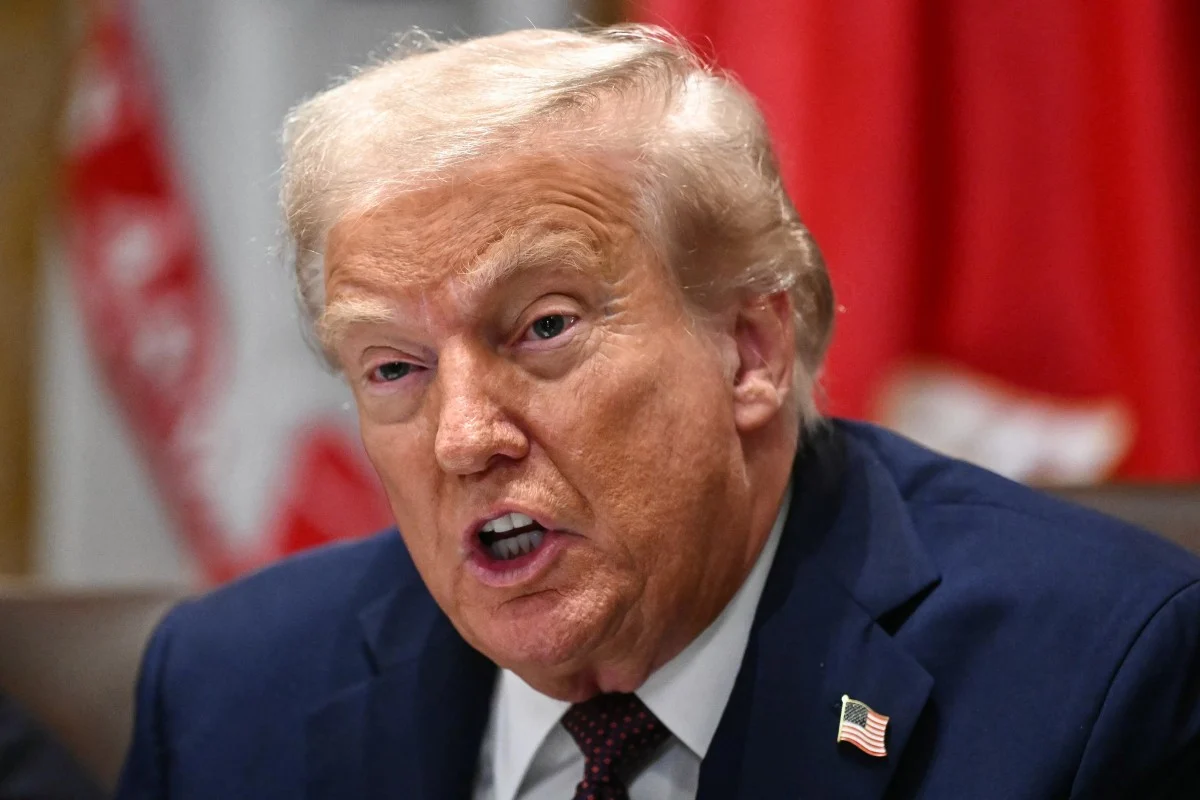
The downturn coincides with the Trump administration’s “reciprocal” tariff, which raised Nigeria’s duty from 14% to 15% in August 2025. While crude oil remains largely exempt, non-oil exports have been heavily affected, prompting uncertainty among American importers and dampening demand.
Quarterly data shows exports fell from N1.54 trillion in Q1 to N743.63 billion in Q3 2025, while imports jumped from N1.42 trillion to N3.22 trillion over the same period. Product-level analysis revealed crude oil, urea, and jet fuel dominated exports early in the year, but by Q3, Nigeria’s export basket had shrunk to minor commodities like soya bean flour and cocoa powder. Meanwhile, imports from the US expanded significantly, led by crude oil, used vehicles, wheat, and industrial plastics.
The US no longer ranks among Nigeria’s top five export destinations by mid-2025, highlighting structural vulnerabilities in Nigeria’s trade profile and dependence on the American market.
FG Pledges Resilience
President Bola Tinubu affirmed Nigeria’s resilience, citing growing non-oil revenues as a buffer against external shocks. He stated, “If non-oil revenue is growing, then we have no fear of whatever Trump is doing on the other side.”
Minister of Industry, Trade, and Investment Jumoke Oduwole said Nigeria would not take retaliatory action but would continue with economic reforms and export diversification. She highlighted growth in non-oil exports by 24% in Q1 2025 and stressed efforts to expand trade across Africa, as well as with Brazil, China, Japan, and the UAE, leveraging the African Continental Free Trade Area (AfCFTA) and South–South cooperation.
Stakeholder and Expert Views
Export stakeholders, including the Nigerian-American Chamber of Commerce and the Nigerian Export Promotion Council, urged the US to review tariffs but noted the situation could also serve as an opportunity to grow non-oil exports.
Economists like Dr. Aliyu Ilias and Dr. Muda Yusuf downplayed the tariff’s impact, noting Nigeria’s narrow export profile to the US and limited trade exposure. Yusuf also highlighted US visa restrictions as a more pressing barrier to trade, affecting business interactions and investment inflows, beyond the tariffs themselves.
US Visa Restrictions
The Trump administration recently imposed travel bans affecting Nigerians and citizens of 16 other African countries. From January 1, 2026, holders of B-1, B-2, B-1/B-2, F, M, and J visas will be barred from entering the US, impacting business, tourism, student, and exchange visitors. The US cited high visa overstay rates among Nigerian nationals as justification for the restrictions.
#UTVAfrica#