Nigeria Fashion Week 2026: Abuja Takes Centre Stage in a Celebration of Fashion, Culture and Creativity
Abuja came alive with colour, creativity and couture as the 2026 edition of Nigeria Fashion Week concluded on October 4, marking a significant new chapter for one of Nigeria’s longest-running fashion platforms.
Held in Abuja for the first time after years of being associated with Lagos, the three-day event brought together Nigerian and international designers, models, fashion entrepreneurs, government officials, investors, diplomats, creatives, media practitioners and fashion enthusiasts.
The 2026 edition was held under the theme, “Beyond the Runway: Fashion and Culture at the Heart of the Green & Blue Economy (Going Green 5),” reflecting an effort to position fashion not only as entertainment and creative expression, but also as a driver of enterprise, employment, sustainability and economic development.
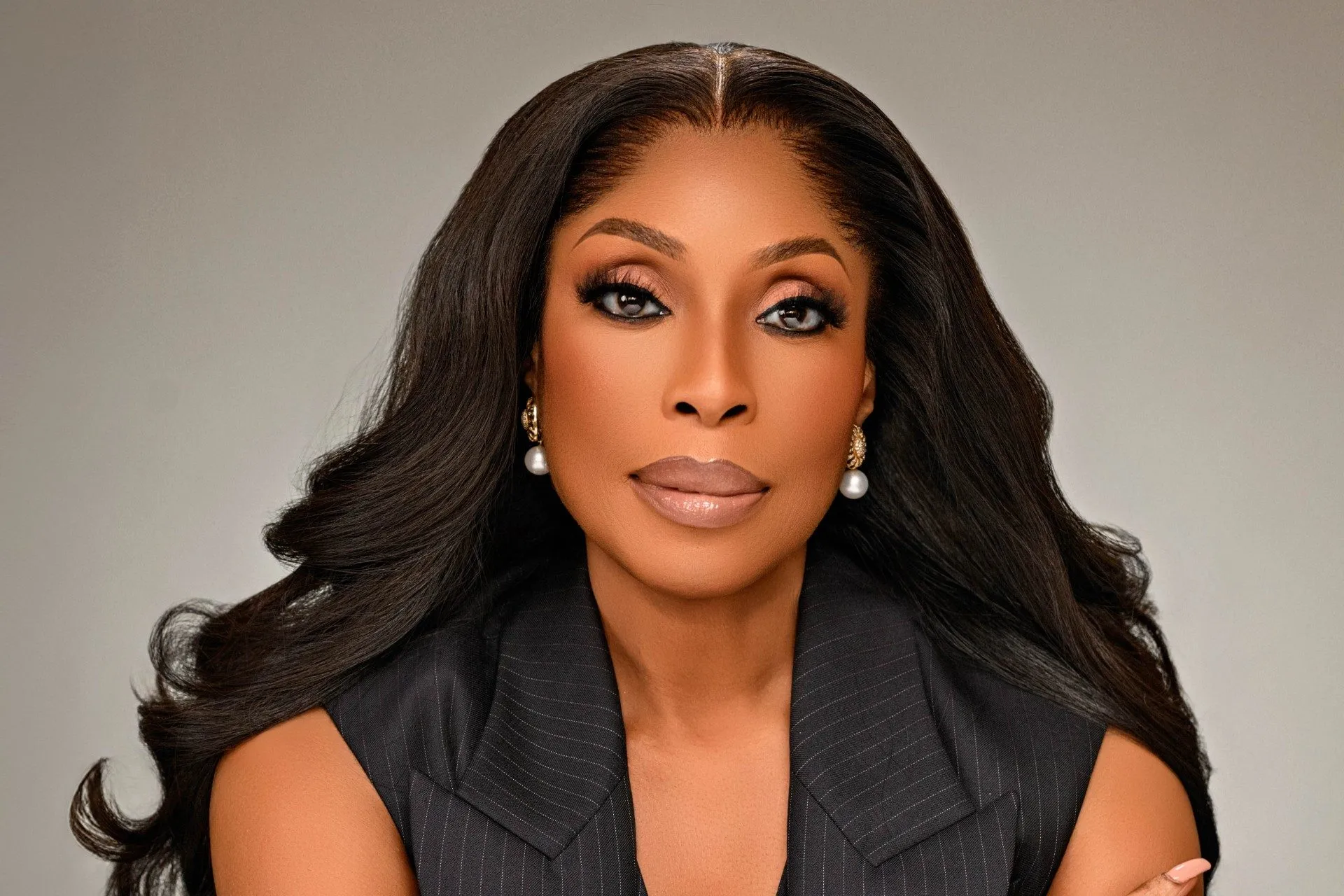
Organised by Legendary Gold under the leadership of Nigeria Fashion Week President Lexy Mojo-Eyes, the event featured runway showcases, exhibitions, business engagements and sustainability-focused activities before culminating in the Nigeria Fashion Awards and Gala Night.
Abuja’s fashion debut
The decision to move Nigeria Fashion Week from Lagos to Abuja was one of the defining features of this year’s edition.
According to Mojo-Eyes, the move was intended to give designers a broader platform while helping to develop Abuja into a stronger fashion destination and create closer interaction between the creative industry and government. More than 40 Nigerian and international designers were announced for the event, with collections showcased at Soul Lounge Resort, Jahi.
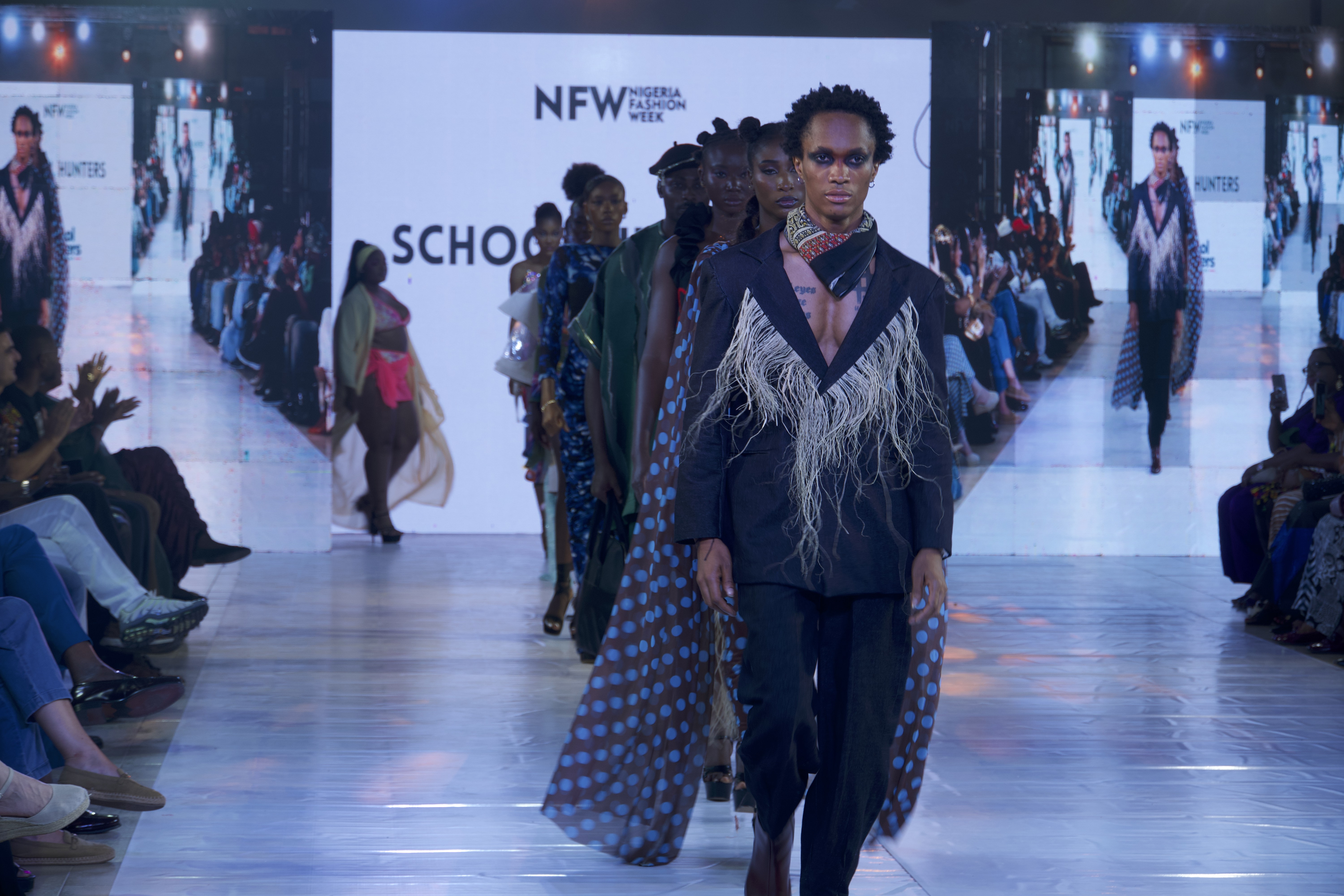
The runway presentations offered a vivid display of Nigerian creativity, with models appearing in elaborate silhouettes, richly detailed textiles, sculptural pieces and contemporary interpretations of African fashion.
International participation also added another dimension to the event. Among those featured was Libyan designer Rabia Ben Barka, whose collection brought an international perspective to the Abuja runway and demonstrated the event’s growing role as a meeting point for African and global fashion.
The result was a striking mixture of traditional influences and contemporary design, with designers using fabric, colour, texture and structure to tell different stories about African identity and modern style.
Fashion beyond glamour
While the runway provided the visual spectacle, the organisers deliberately expanded the programme beyond fashion shows.
The Nigeria Fashion Entrepreneurs Forum brought together policymakers, financial institutions, entrepreneurs and prospective buyers to examine how creative talent could be transformed into sustainable businesses.
That business-focused approach was central to the organisers’ vision for this year’s event, with an emphasis on market access, investment, entrepreneurship and opportunities for Nigerian brands to compete beyond the domestic market.
The Federal Government also used the platform to emphasise the economic potential of the fashion industry.
Minister of Art, Culture, Tourism and the Creative Economy, Hannatu Musa Musawa, called for stronger investment, policies, infrastructure and partnerships to help the sector create jobs and contribute more significantly to Nigeria’s economic growth. She stressed that government’s role should include creating an enabling environment for the industry to thrive.
Following the event, Musawa said Nigerian fashion could move from creativity to industry, with the potential to strengthen local production, grow businesses and take Nigerian identity and products to international markets.
Sustainability takes the spotlight
Another defining feature of Nigeria Fashion Week 2026 was its focus on sustainability.
Through the Going Green 5 initiative, organisers sought to connect fashion with the wider green and blue economy conversation. The programme encouraged greater attention to sustainable production, responsible consumption, recycling, reuse and environmentally conscious fashion practices.
The European Union’s partnership with the event further strengthened that agenda, bringing international attention to sustainable fashion and the potential for Nigeria’s creative economy to participate in the global transition towards greener production.
The sustainability message also complemented the cultural dimension of the event. An exhibition pavilion supported by the National Council for Arts and Culture showcased indigenous textiles, crafts, traditional motifs and other expressions of Nigeria’s cultural heritage, highlighting the connection between traditional craftsmanship and contemporary fashion.
A celebration of Nigerian creativity
Beyond the business discussions and policy conversations, the event remained, at its heart, a celebration of fashion.
Designers used the runway to experiment with bold silhouettes, dramatic proportions, intricate patterns, shimmering fabrics and culturally inspired details. Models transformed the catwalk into a moving exhibition of Nigerian and African creativity, while the presence of international designers reinforced the event’s ambition to position Nigerian fashion within a broader global conversation.
The atmosphere in Abuja reflected that ambition. Fashion professionals, models, photographers, makeup artists, stylists, vendors, entrepreneurs and guests converged around the shows, exhibitions and social events, creating opportunities for collaboration and visibility across different parts of the fashion value chain.
The event also provided a platform for Abuja’s emerging creative community, while attracting established fashion players who have traditionally operated from Lagos.
Grand finale and fashion awards
The week concluded on October 4 with the Nigeria Fashion Awards and Gala Night at the Transcorp Hilton Abuja.
The awards provided a fitting close to the event, recognising contributions to Nigeria’s fashion industry while bringing designers, industry leaders, creatives and other stakeholders together for the final celebration.
From the opening cocktail and runway showcases to the entrepreneurial forum and awards night, the 2026 edition demonstrated an attempt to make Nigeria Fashion Week more than a showcase of clothes.
It presented fashion as a meeting point for culture, business, tourism, sustainability and national identity.
A new fashion destination?
Perhaps the biggest question left by the 2026 edition is whether Abuja can build on the momentum created by Nigeria Fashion Week.
The city may not yet possess Lagos’ established fashion ecosystem, but the event demonstrated that Abuja can provide a different kind of platform one capable of bringing the fashion industry closer to policymakers, diplomatic circles, investors and the broader creative economy.
For Mojo-Eyes and the organisers, the ambition is clear: to help build Abuja into a fashion city while creating stronger pathways for Nigerian designers to move from creativity to commercially viable brands.
As the lights went down on the final runway and the celebrations drew to a close, Nigeria Fashion Week 2026 left behind more than photographs of spectacular outfits. It opened a conversation about where Nigerian fashion is headed and whether the country can turn its enormous creative talent into a sustainable, globally competitive industry.
For three days, Abuja became the centre of that conversation, and the runway became a stage not only for fashion, but for the future of Nigeria’s creative economy.
By Benita Ibrahim