Keir Starmer Resigns as UK Prime Minister, Labour Begins Search for Successor
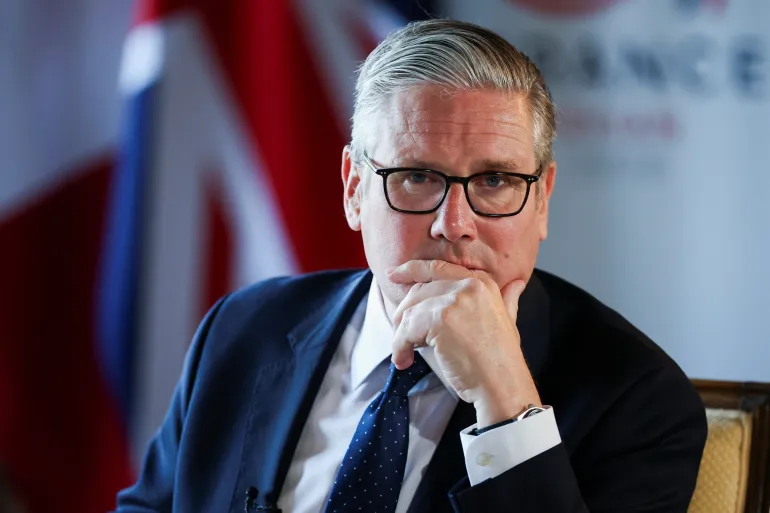
British Prime Minister Keir Starmer has announced his resignation as leader of the Labour Party and head of government, bringing to a close a turbulent period in office less than two years after leading Labour to a landslide election victory. Speaking in an emotional address outside 10 Downing Street on Monday, Starmer said every major decision he made during his tenure was driven by what he believed was in the best interest of the United Kingdom. He confirmed that the Labour Party would begin the process of selecting a new leader in July and that he would remain prime minister until a successor is formally chosen. His departure follows months of growing pressure from within the Labour Party, declining approval ratings, and a series of political setbacks that weakened confidence in his leadership. Recent local election losses and increasing concerns among Labour lawmakers over the party’s future direction intensified calls for a change at the top. Starmer’s resignation marks a dramatic shift in British politics. After returning Labour to power in the 2024 general election, his government faced mounting criticism over policy reversals, internal divisions, and challenges in addressing economic and social concerns. These issues gradually eroded public support and fueled debate over whether he remained the best person to lead the party into the next general election.
The focus now turns to the Labour leadership contest, which is expected to begin formally in July. Among the leading names being discussed is Andy Burnham, the former Mayor of Greater Manchester, who has recently returned to Parliament and is widely regarded as the frontrunner to succeed Starmer. Several senior Labour figures have already signalled support for Burnham, strengthening speculation that he could emerge as the party’s next leader. Political observers say the leadership race will be closely watched both within the UK and internationally, as the outcome could shape the future direction of Labour’s economic, social and foreign policies. The next leader will inherit significant challenges, including restoring public confidence, addressing economic pressures and preparing the party for future electoral contests. Starmer, meanwhile, pledged to support whoever succeeds him and called for an orderly transition. His decision brings another chapter of political change to the United Kingdom, which has witnessed frequent leadership shifts in recent years. With Labour now preparing for a new era, attention will remain fixed on the upcoming leadership contest and the individual chosen to guide both the party and the country through the next phase of British politics.
#UTVAfrica#