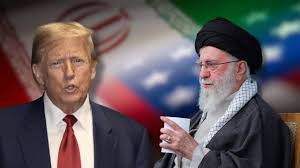
Iran Authorises Nuclear Talks with US as Trump Issues Fresh Warning
Iranian President Masoud Pezeshkian has authorised the opening of nuclear negotiations with the United States, according to reports, as US President Donald Trump warned that “bad things” would happen if a deal is not reached.
The move comes amid heightened tensions between Washington and Tehran following weeks of deadly anti-government protests in Iran and renewed US military posturing in the Middle East. Trump has ordered the deployment of an aircraft carrier group to the region and has repeatedly warned that time is running out for diplomacy.
Despite the tough rhetoric, Trump has said he remains hopeful that both sides can reach an agreement, while insisting that failure to do so would have serious consequences. Tehran, for its part, says it prefers dialogue but has vowed to respond forcefully to any attack.
Iranian authorities confirmed that President Pezeshkian has directed officials to begin talks with the United States over the country’s nuclear programme. Reports say preparations are underway for a possible meeting in Turkey later this week, following mediation efforts by regional countries including Egypt, Qatar, Turkey and Oman.
Iran’s foreign minister is expected to meet with a senior US envoy in Istanbul to explore the prospects of a renewed nuclear deal. Trump has accused Iran of pursuing nuclear weapons, an allegation Tehran has consistently denied.
Speaking in a recent interview, Iran’s foreign minister said Tehran agrees with Washington on preventing nuclear weapons and described this as a basis for a potential agreement. However, he stressed that any deal must include the lifting of US sanctions, which have severely impacted Iran’s economy.
Iranian officials say a framework for negotiations is being finalised, with indirect messages between the two sides already exchanged through regional intermediaries. Turkey has taken a leading role in diplomatic efforts, hosting meetings and consultations aimed at easing tensions.
Regional leaders have also expressed concern about the risk of escalation. Jordan has said it will not allow its territory to be used for any military action against Iran, while Iranian leaders, including Supreme Leader Ayatollah Ali Khamenei, have warned that any US attack would spark a wider regional conflict.
Inside Iran, public opinion remains divided. While some citizens say they are not afraid of war, many blame both foreign pressure and domestic mismanagement for worsening economic conditions. The recent protests, driven by rising living costs and economic hardship, were among the most intense in years.
Authorities say thousands were killed during the unrest, mostly security personnel and bystanders, though rights groups dispute the official figures and say many protesters were killed by security forces. The crackdown has drawn international condemnation, new sanctions from Western countries, and further strained Iran’s relations with Europe.
As diplomatic efforts resume, uncertainty remains over whether talks can succeed in defusing tensions or whether the standoff will deepen further in the weeks ahead.
#UTVAfrica#