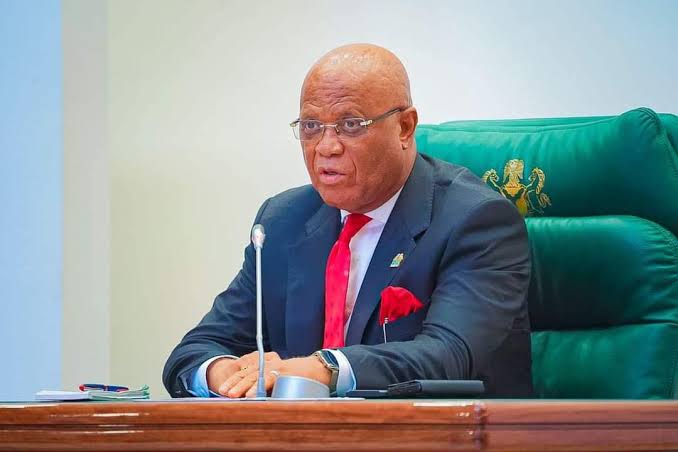
FG Moves to Digitise Tertiary Institutions’ Accreditation Process
The Federal Government has begun moves to overhaul the accreditation system for tertiary institutions, with the Minister of Education, Dr Tunji Alausa, warning universities, polytechnics and colleges of education against presenting borrowed staff, equipment or facilities during accreditation exercises. Speaking at the inauguration of a Ministerial Committee on Strengthening Accreditation and Quality Assurance Systems for Tertiary Institutions in Nigeria, Alausa said accreditation must become more transparent, evidence-based and difficult to manipulate. He said institutions should no longer create a temporary picture of their capacity simply to satisfy accreditation teams, stressing that whatever is presented must reflect the actual and sustainable resources available to students. The minister said the government plans to use technology, including geospatial mapping, geotagging and digital identification, to verify infrastructure, equipment and personnel. He proposed a digital identity framework that could use national identity infrastructure, including the National Identification Number and BVN systems, subject to data protection laws, to establish one verifiable identity for each staff member and accurately determine their institutional affiliation.
Alausa said the reforms would help address cases where academic and non-academic personnel, laboratory equipment, workshops, library materials and other resources are temporarily moved or borrowed for accreditation purposes. He explained that the government wants to shift from the current model, where accreditation is largely conducted every three to five years, to a continuous quality assurance process supported by a digital platform containing verified information on staffing, facilities, laboratories, workshops and equipment. According to him, physical accreditation visits would remain important but would increasingly be used to validate existing data rather than begin verification from scratch. He said the platform could serve as a single source of verified institutional information for the National Universities Commission, National Board for Technical Education, National Commission for Colleges of Education and professional regulatory bodies, helping reduce conflicts and improve coordination. The minister tasked the committee with reviewing existing accreditation processes and making practical recommendations for modernisation, with the goal of establishing a credible, transparent and technology-driven system based on independently verifiable evidence. Earlier, Director of Polytechnic Education Amy Igwe said the reform would protect students’ interests and help eliminate the practice of temporarily moving staff and resources for accreditation.
#UTVAfrica#