Cardoso: Inadequate Working Capital Stifling Export Growth

3 min read
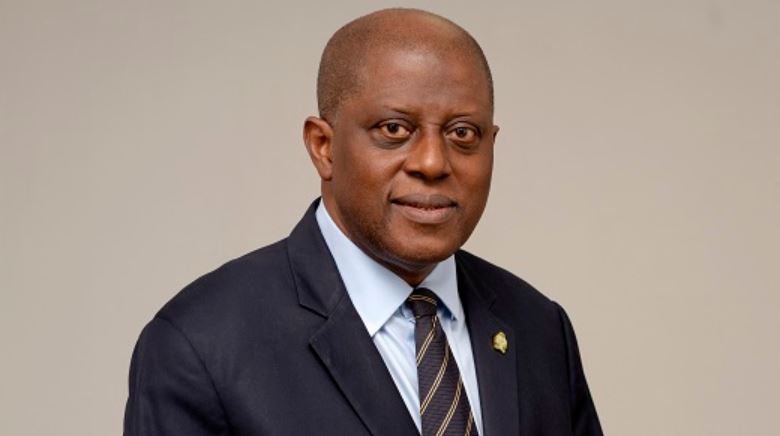
The Governor of the Central Bank of Nigeria, Olayemi Cardoso, has urged commercial banks and development finance institutions to strengthen collaboration and improve access to funding for Nigerian exporters, warning that inadequate working capital is limiting their competitiveness in international markets. Cardoso, represented by the Deputy Governor in charge of Financial System Stability, Isa Yuguda, spoke on Thursday in Abuja at a stakeholder forum organised by the Nigerian Export-Import Bank, themed ‘Leveraging the AfCFTA for Enhanced Nigerian Export Competitiveness and Economic Diversification’. He said businesses with confirmed export orders often struggle to purchase raw materials, obtain certification, expand production and finance shipments due to funding constraints. According to him, development finance institutions should complement rather than replace commercial banks by deploying guarantees, insurance and risk-sharing instruments to make viable export transactions attractive to private lenders. Cardoso also called for increased investment in manufacturing, agricultural processing, solid minerals, technology, services and the creative economy, stressing that Nigeria must move beyond increasing export volumes to improving the value and competitiveness of its products. He further reaffirmed the CBN’s commitment to improving foreign exchange market transparency, liquidity and efficiency, while urging exporters to comply with documentation requirements and repatriate export proceeds within prescribed regulatory timelines.
Also speaking, the Minister of Finance and Coordinating Minister of the Economy, Taiwo Oyedele, cautioned financial institutions against providing loans that do not align with exporters’ transaction cycles and foreign exchange earnings. He said delayed financing, certification challenges and unpredictable transportation costs could cause businesses to lose export orders. The Minister of State for Industry, John Enoh, identified the shortage of patient capital as a major constraint to industrial development, urging lenders to prioritise investments in productive infrastructure and factory expansion. “Finance the factory and not the shipment. Trade finance moves what already exists. Industrial finance creates what does not yet exist,” he said. Earlier, NEXIM Bank Managing Director, Abubakar Bello, disclosed that the bank had financed over 1,300 exporters since its establishment in 1991, supporting about 110,000 industrial jobs. He added that the bank, in collaboration with the Small and Medium Enterprises Development Agency of Nigeria, had mobilised N42bn to support businesses within the export value chain. Meanwhile, the National Coordinator of the Nigeria AfCFTA Coordination Office, Patience Okala, said certificates of origin issued between December 2025 and November 2026 increased by 500 per cent, while processing time dropped from five days to 24 hours. The Special Adviser to the President on Economic Affairs, Tope Fasua, also stressed that improved access to African markets must be matched by stronger domestic productive capacity to prevent Nigeria from becoming primarily a destination for imported goods.
#UTVAfrica#