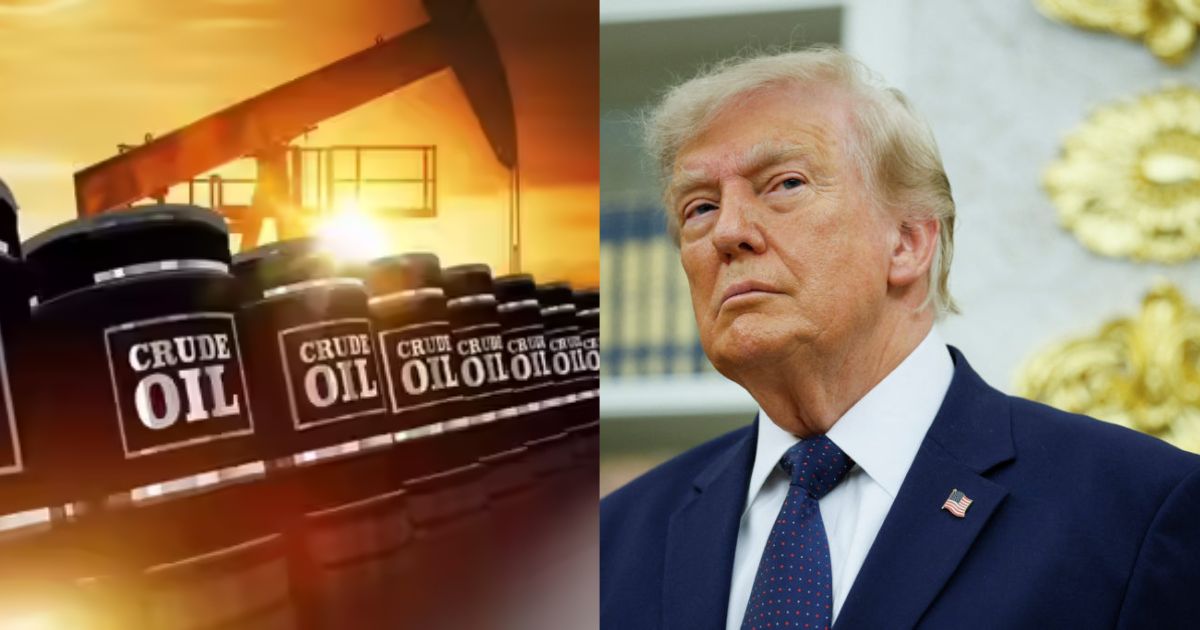
Brent crude hits $80 amid renewed US-Iran tensions
Global oil prices climbed above $80 per barrel on Wednesday as renewed hostilities between the United States and Iran heightened fears of disruptions to energy supplies from the Middle East. Market data showed Brent crude for September delivery rising sharply to around $80 per barrel, while West Texas Intermediate (WTI) crude for August delivery traded above $75 per barrel, extending gains recorded earlier in the week. The rally followed comments by US President Donald Trump, who declared that the interim ceasefire agreement with Iran was effectively over after Tehran launched attacks on commercial vessels transiting the Strait of Hormuz, one of the world's busiest oil shipping routes. Reports indicate that an LNG tanker sustained damage after being struck, while a Saudi-flagged supertanker also suffered minor damage near the coast of Oman. The incidents have raised fresh concerns over the security of maritime traffic through the strategic waterway, which carries roughly a fifth of the world's seaborne oil exports. In response, the US military launched large-scale airstrikes targeting multiple military installations inside Iran. According to the US Central Command, the operation struck dozens of strategic sites, including facilities around Qeshm Island, Sirik and the port city of Bandar Abbas, using precision-guided munitions.
The Trump administration also announced additional economic measures against Tehran, including the withdrawal of a sanctions waiver that had allowed limited Iranian oil and petrochemical exports. Meanwhile, Iranian military authorities warned that any further attempts by foreign commercial vessels to pass through the Strait of Hormuz could face military action, raising fears of prolonged disruption to global energy markets. The renewed conflict has already pushed up tanker insurance costs and freight rates, while several energy traders and refiners are reportedly seeking alternative crude supplies from regions including West Africa, the United States and Latin America to reduce dependence on Gulf shipments. Analysts say continued instability in the Middle East could keep crude prices elevated and place additional pressure on inflation worldwide. For Nigeria, the development could delay expectations of lower petrol prices, as higher international crude prices typically increase the cost of imported refined petroleum products and may influence domestic fuel pricing if the crisis persists.
#UTVAfrica#